Clinical and invasive applications (g.HIamp PRO only)
- 01
ECoG recording
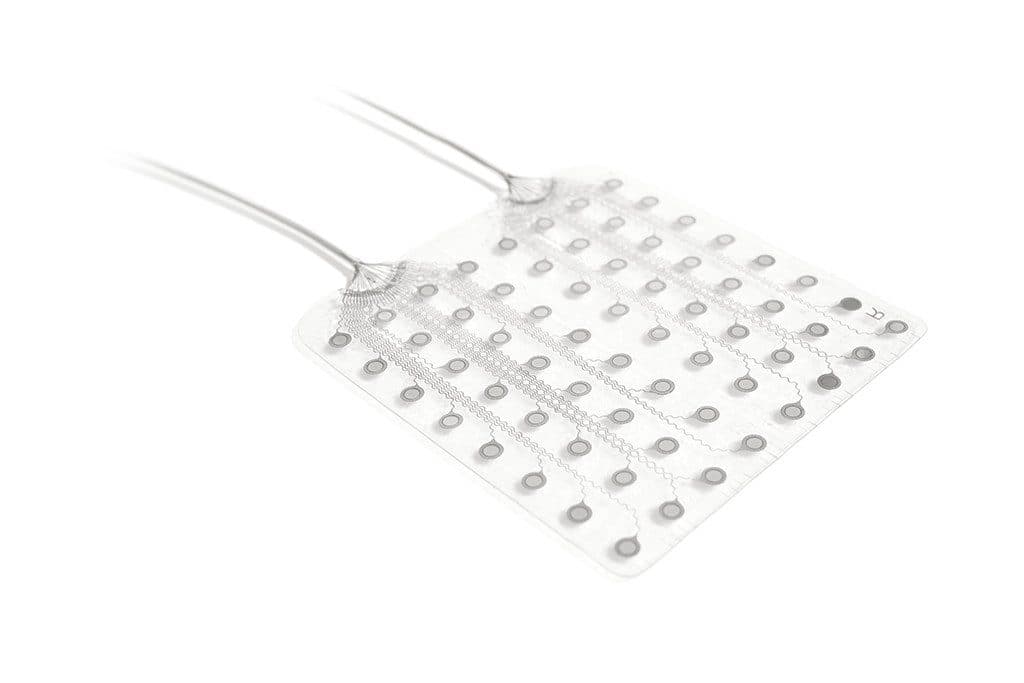
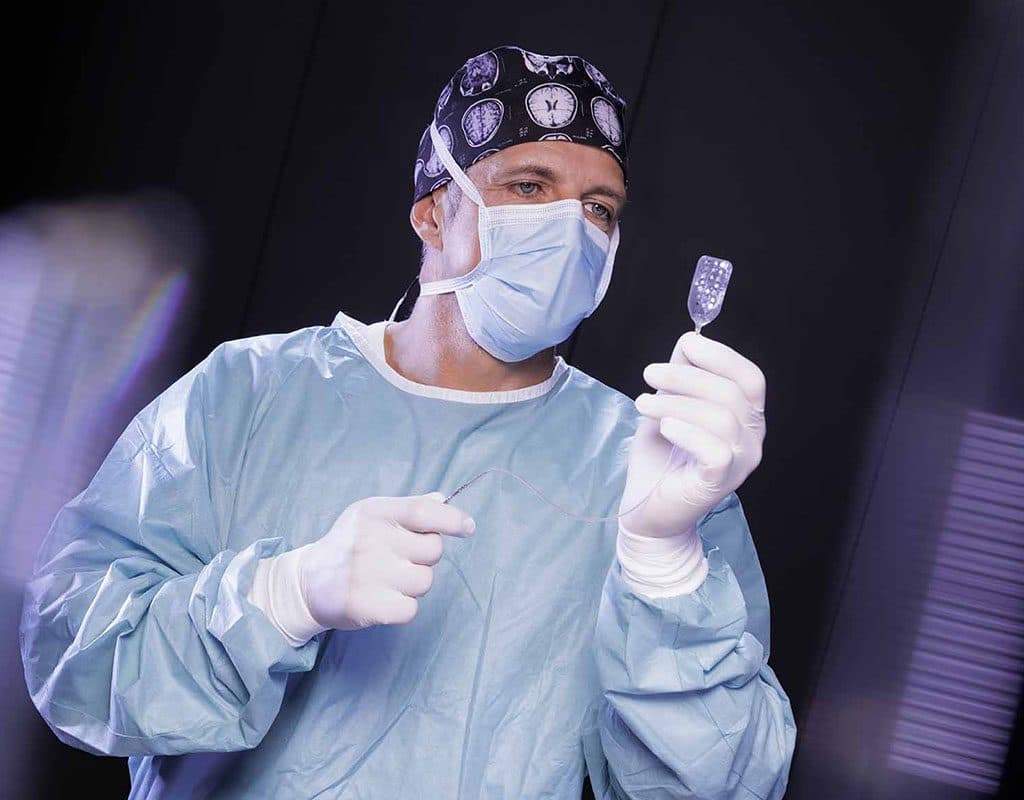
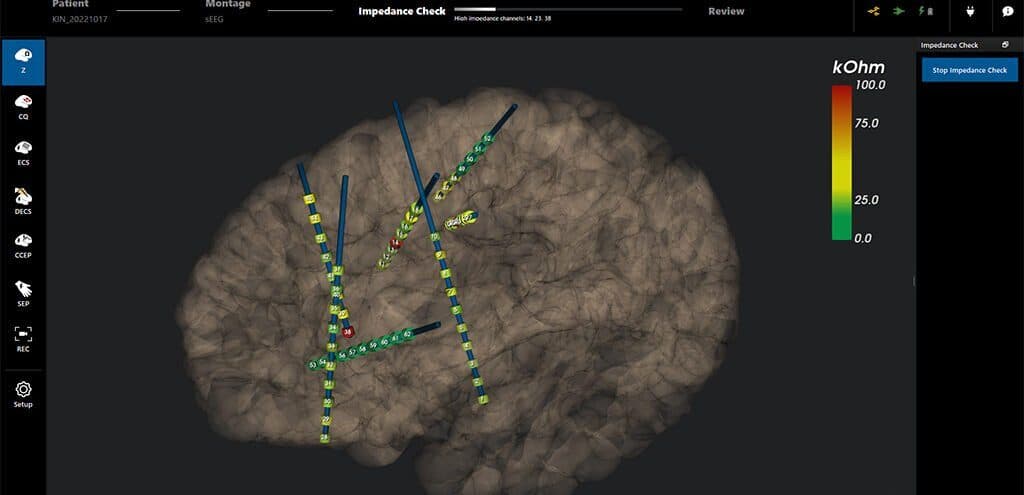
High-quality electrocorticogram recordings with ECoG electrodes for invasive neuromonitoring and BCI experiments: brain mapping, localisation of epileptogenic foci, mapping of eloquent cortex, and real-time BCI experiments with implantation of less than 30 days.
- 02
Passive brain mapping and epilepsy monitoring
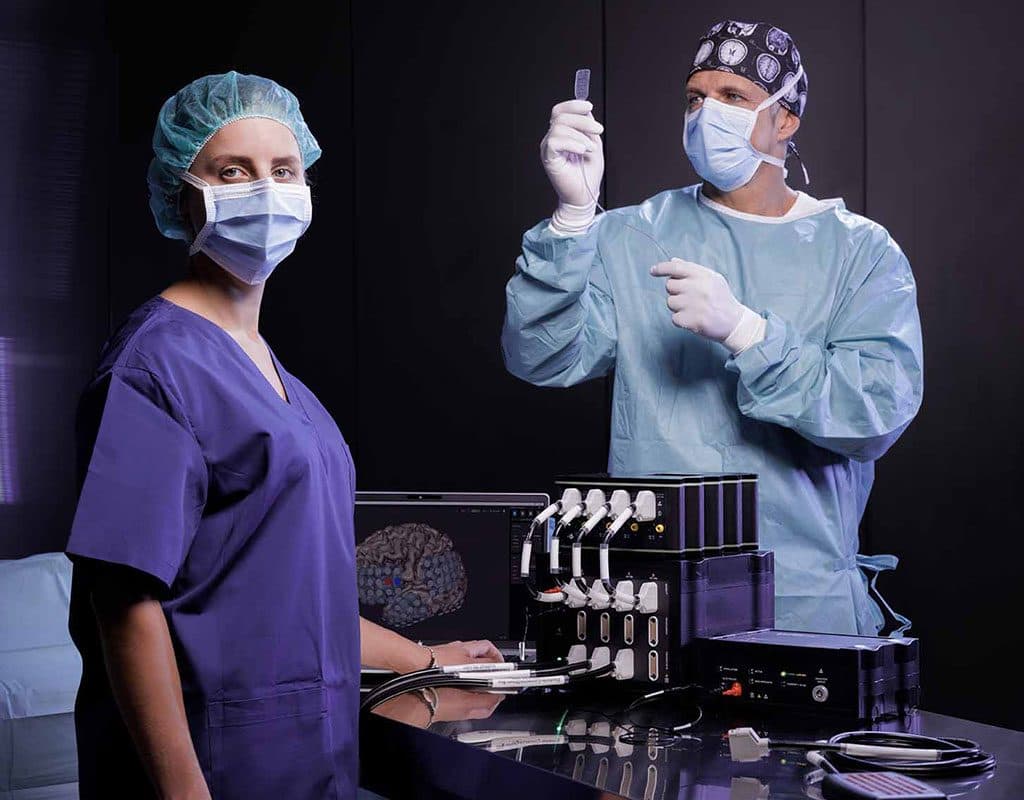
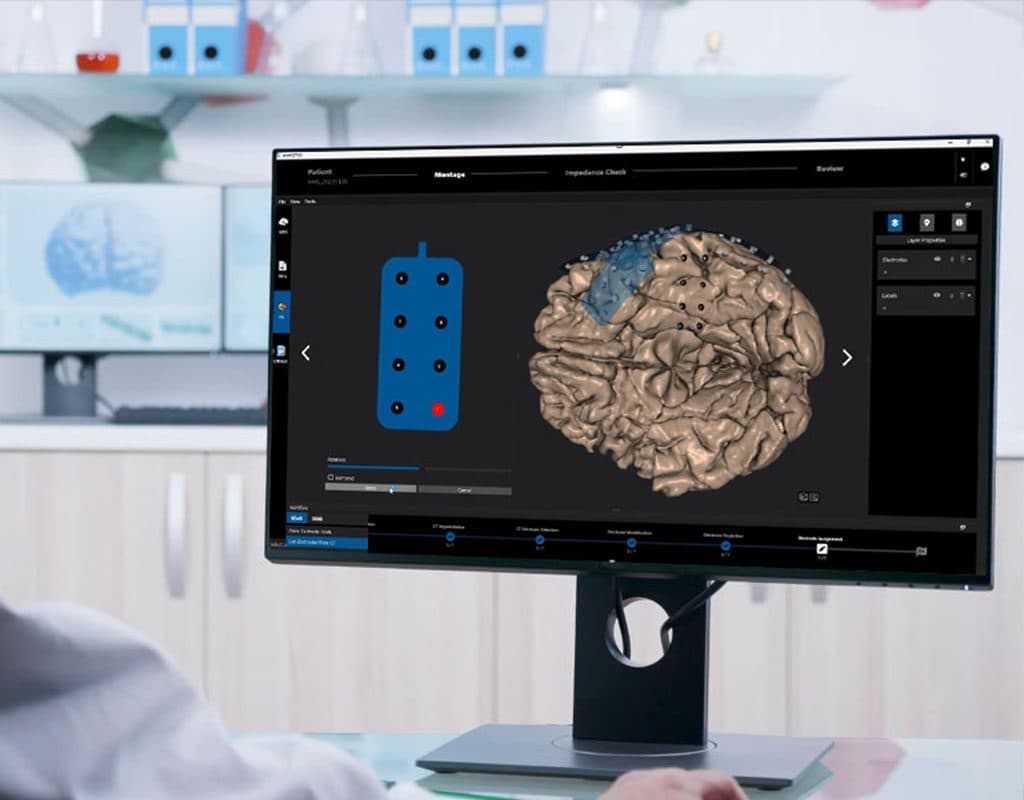
Passive brain mapping from ECoG signals is a fast and precise technique with no risk of pain or seizures: it identifies the cortical areas of receptive and expressive language, motor and somatosensory function. g.HIamp is used for brain mapping in operating rooms and neuromonitoring units.
- 03
High-frequency oscillations (HFO)
Recorded by ECoG from implanted grids in epilepsy patients, HFOs occur between 80 and 500 Hz and call for a high sampling rate, a very good signal-to-noise ratio and high resolution. HFOs appear in normal brain structures as well as in pathological networks; mapping those networks matters greatly in presurgical planning. The University of Houston made this distinction with unsupervised machine learning, detecting the recurring waveforms of pathological HFOs within a few minutes.
- 04
Closed-loop neuromodulation
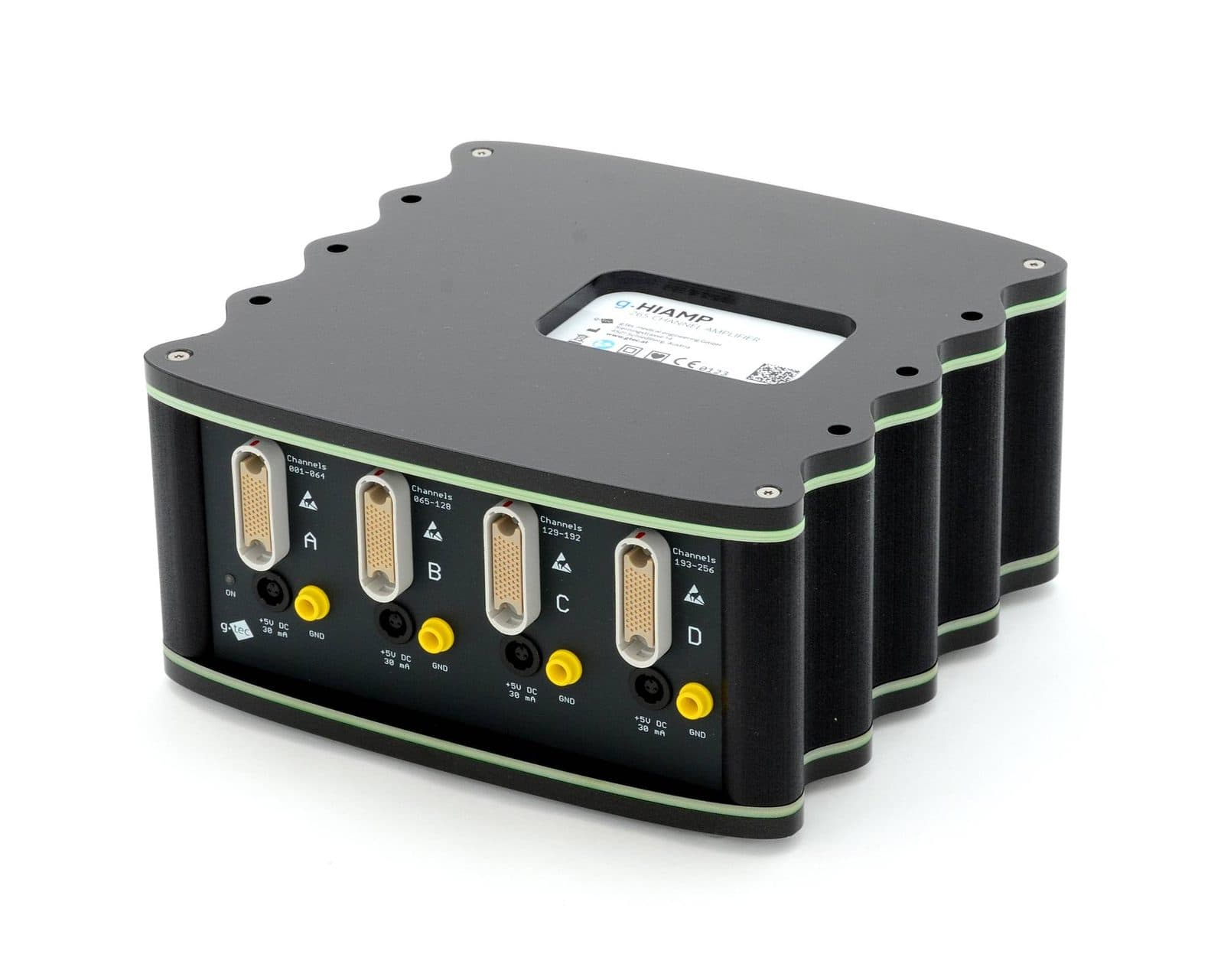
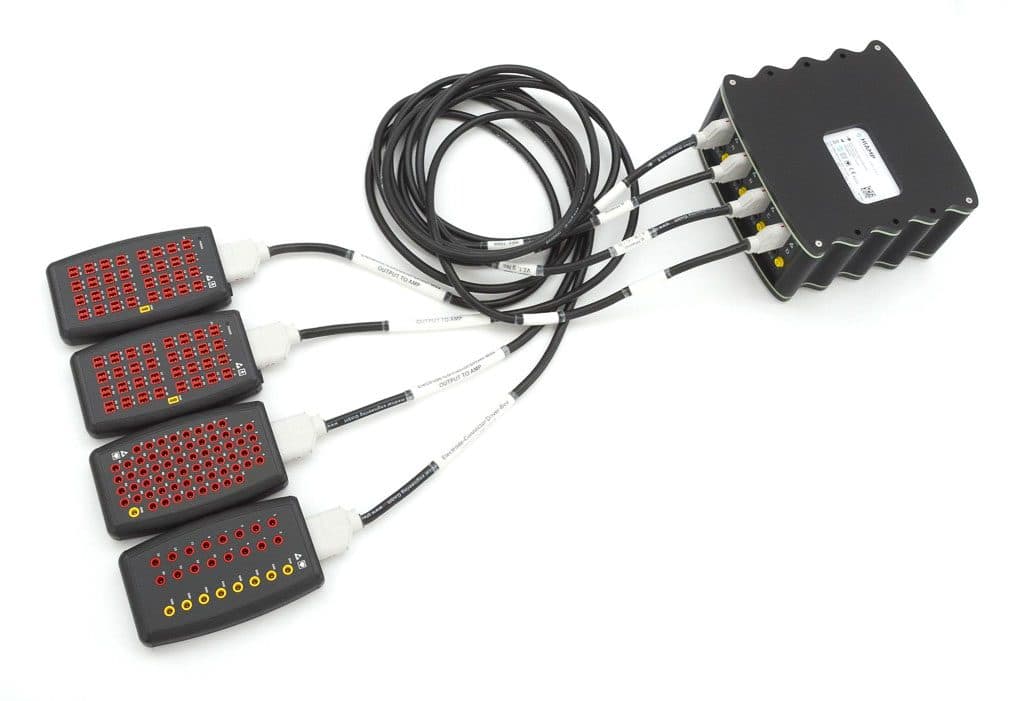
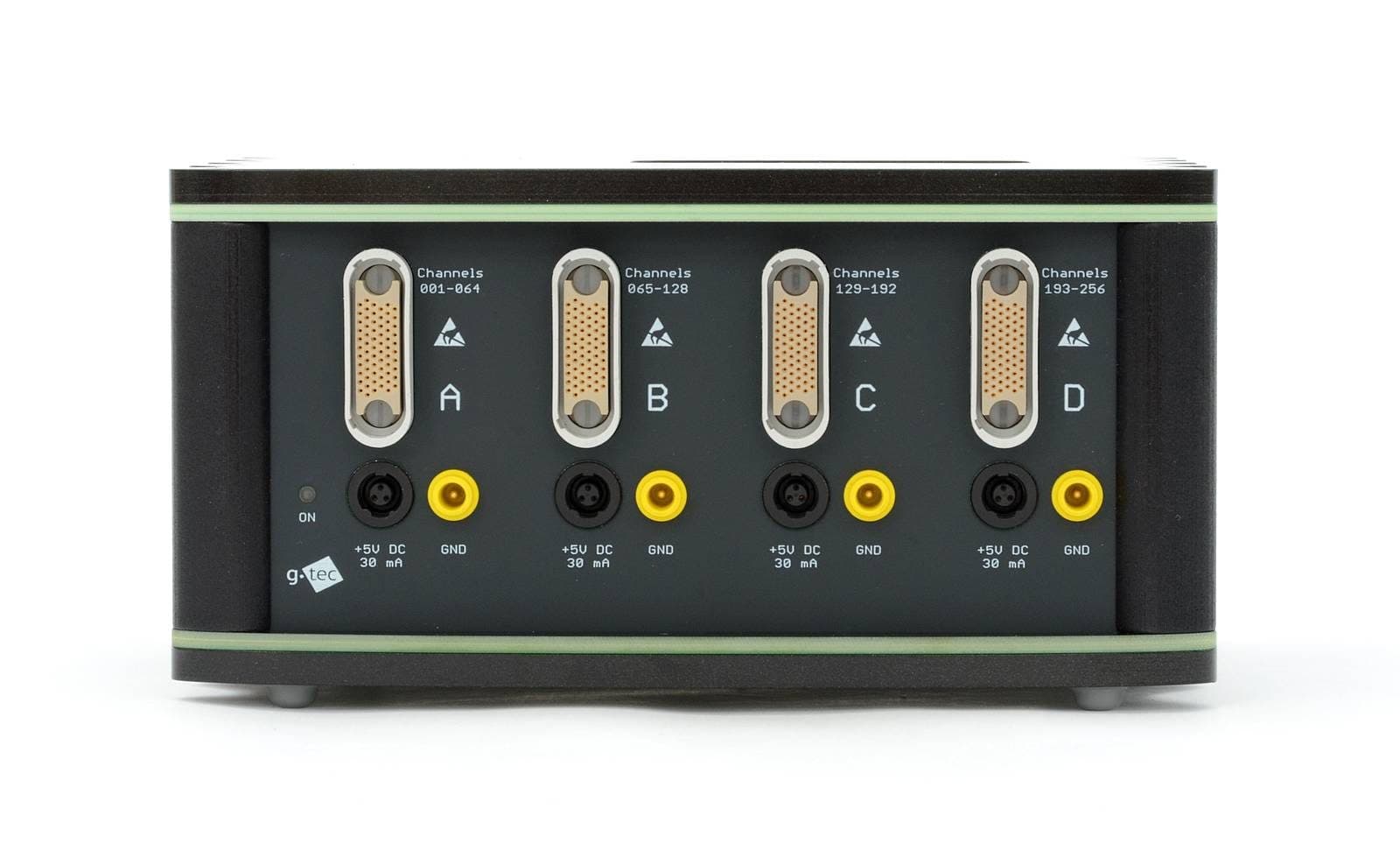
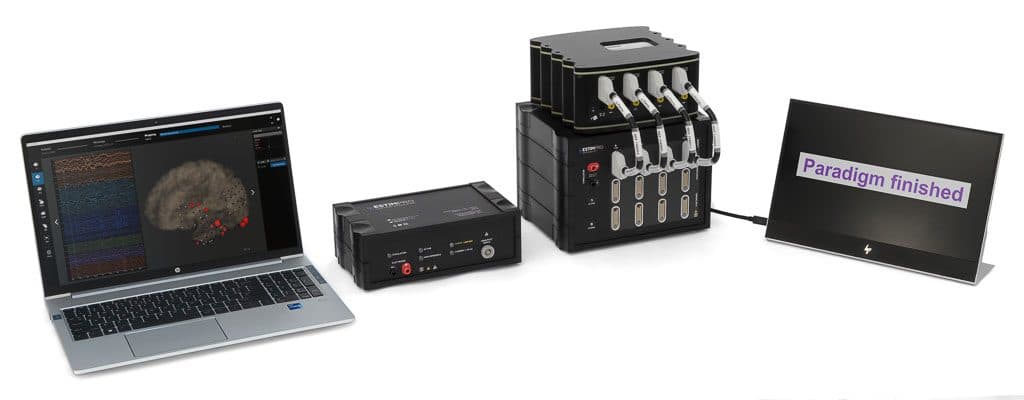
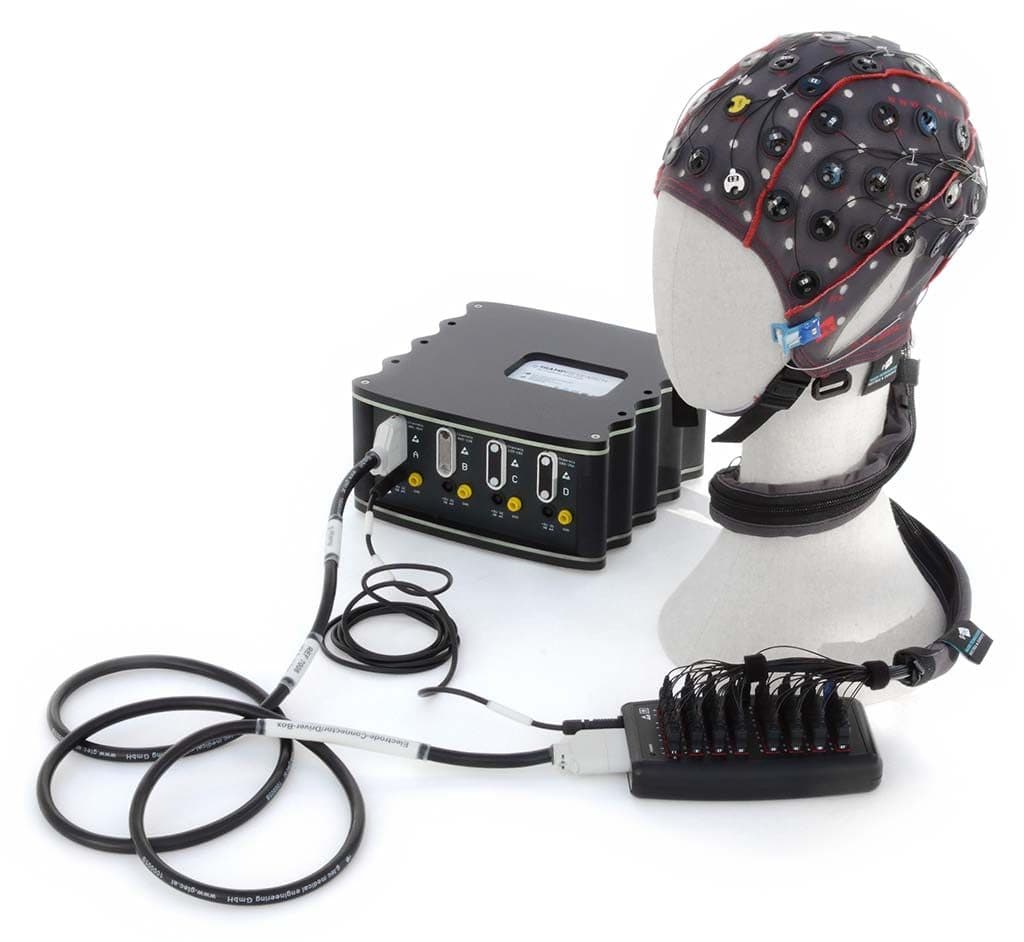
With g.Estim PRO and the Switching Unit, g.HIamp forms a high-performance neuromodulation system: g.Estim PRO delivers controlled electrical stimulation while the Switching Unit enables sensing, switching and stimulating specific brain areas; recording and stimulation come together in closed-loop BCI experiments.
Research applications
- 05
High gamma up to 1 kHz
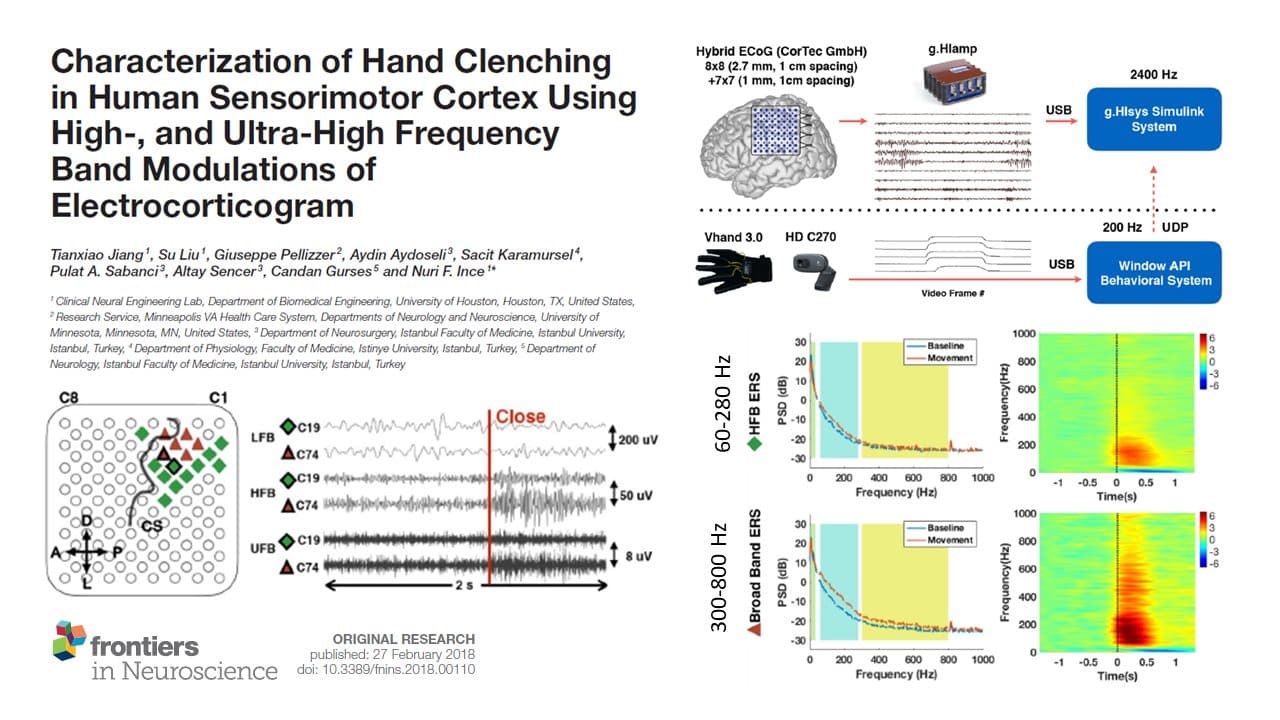
Clinical recording systems mostly cannot capture brain signals above 80 Hz; g.HIamp records high-gamma activity up to 1 kHz. High oversampling, precise filters, superior amplifiers and an input range from DC to 6.8 kHz make this possible. At the University of Houston, Nuri Firat Ince's team used g.HIamp to study ECoG modulations in the high and ultra-high frequency bands of the sensorimotor cortex during hand clenching.
- 06
Simultaneous EEG and TMS
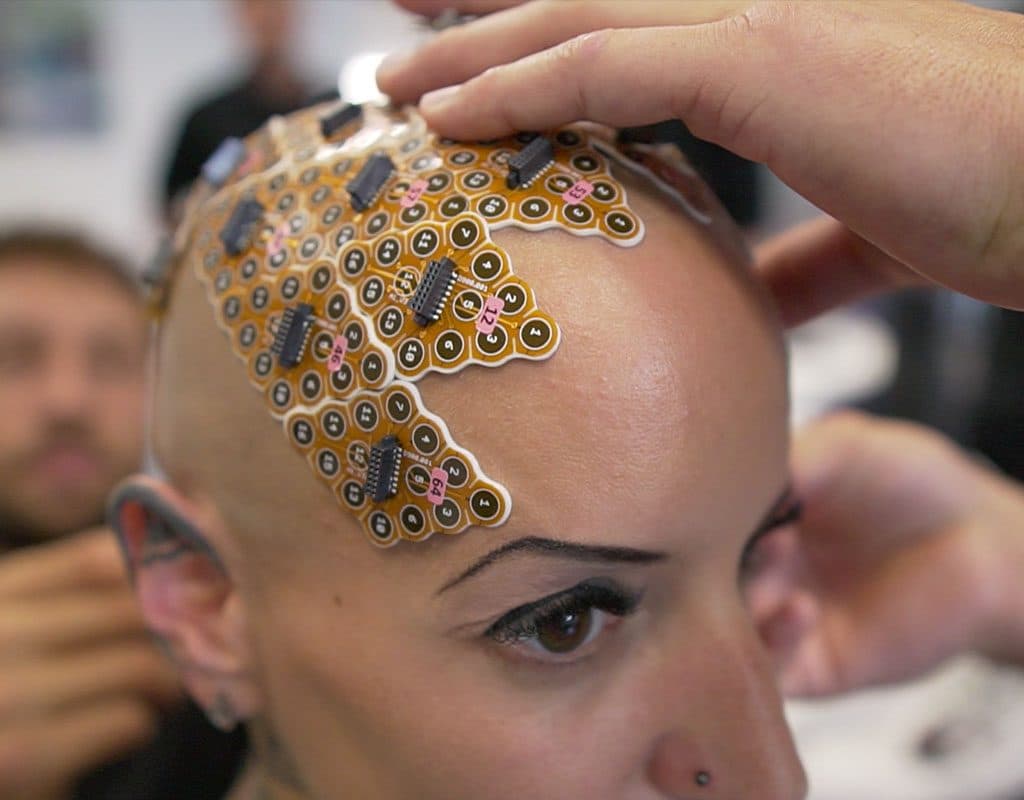
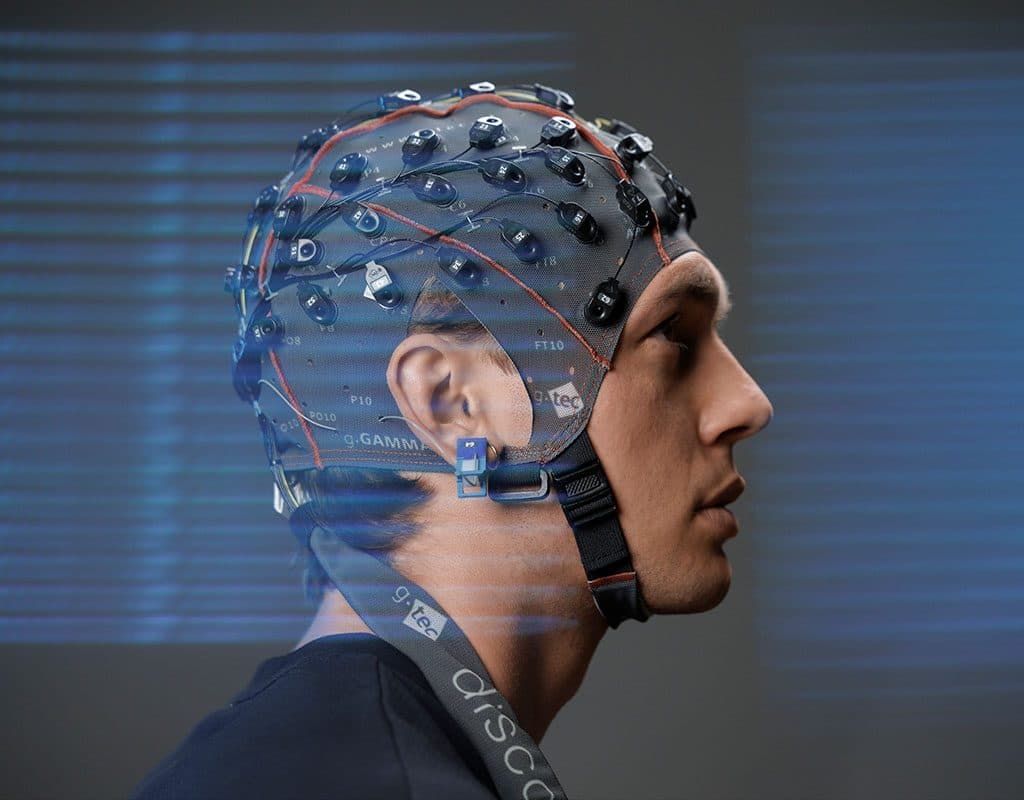
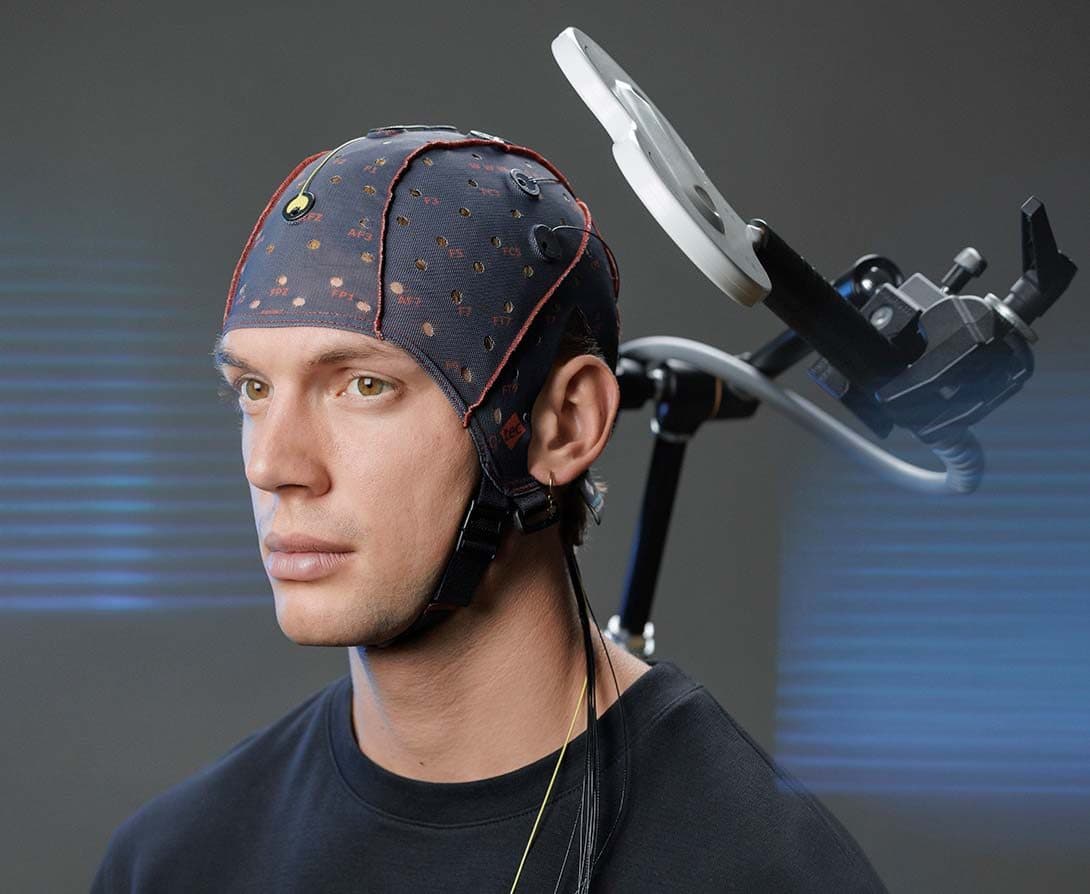
The strong electromagnetic field of TMS can cause large discharge artefacts in EEG, because of the amplifier's properties and the skin-electrode capacitance and impedance. g.LADYbird active TMS-EEG electrodes are designed to minimise them; the HOLD input combined with an artefact suppression algorithm keeps the signal clean during simultaneous recording, so the immediate effects of TMS on brain networks can be studied.
- 07
Simultaneous EEG and fNIRS
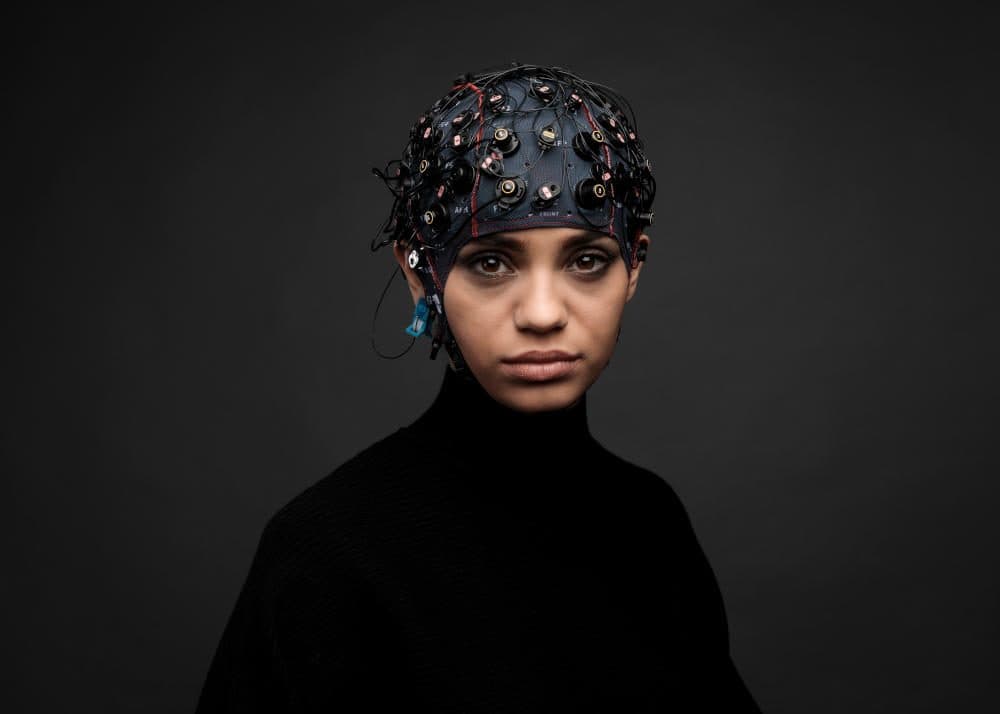
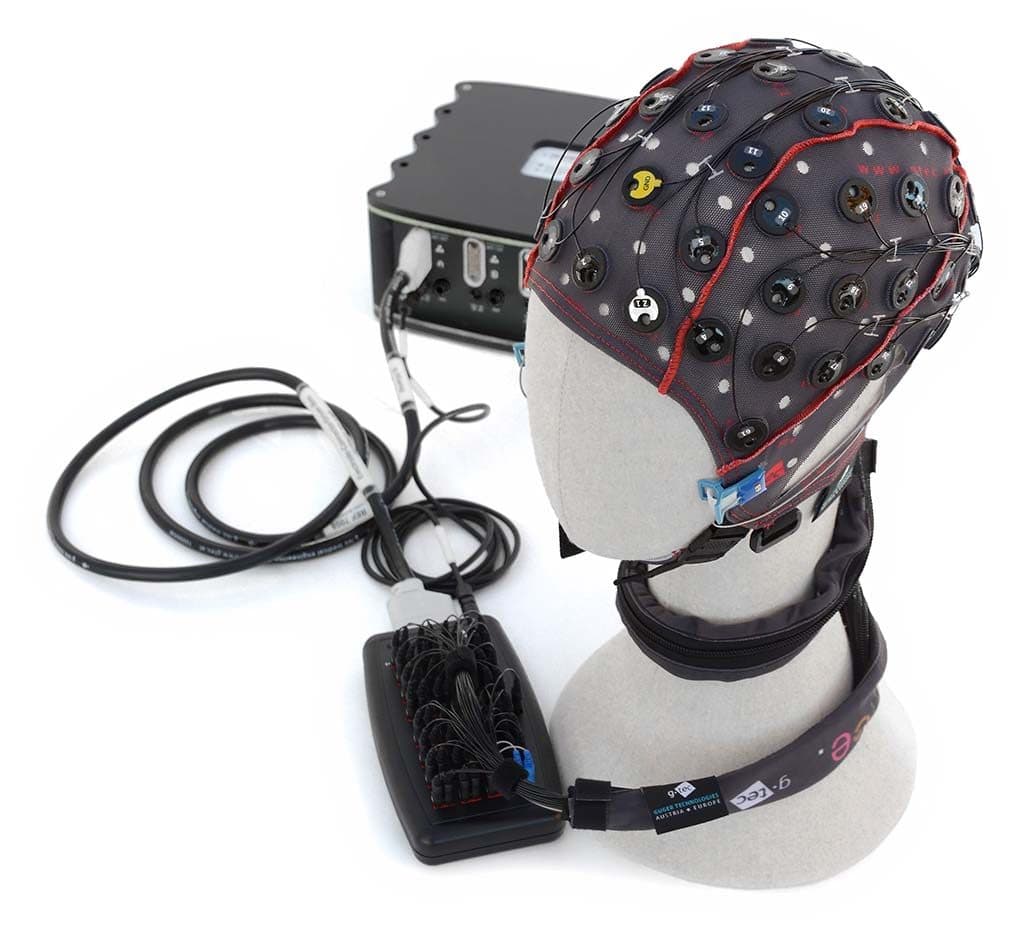
With g.SENSOR fNIRS, g.HIamp records EEG and fNIRS together: EEG shows motor imagery while fNIRS reveals slower changes such as mental arithmetic or pain, capturing what EEG or fNIRS alone could miss. While recording from active g.LADYbird, active g.SCARABEO or g.SAHARA hybrid electrodes through g.GAMMAsys, 8 fNIRS sensors join the same system.
- 08
Music and the mind: McMaster LIVELAB
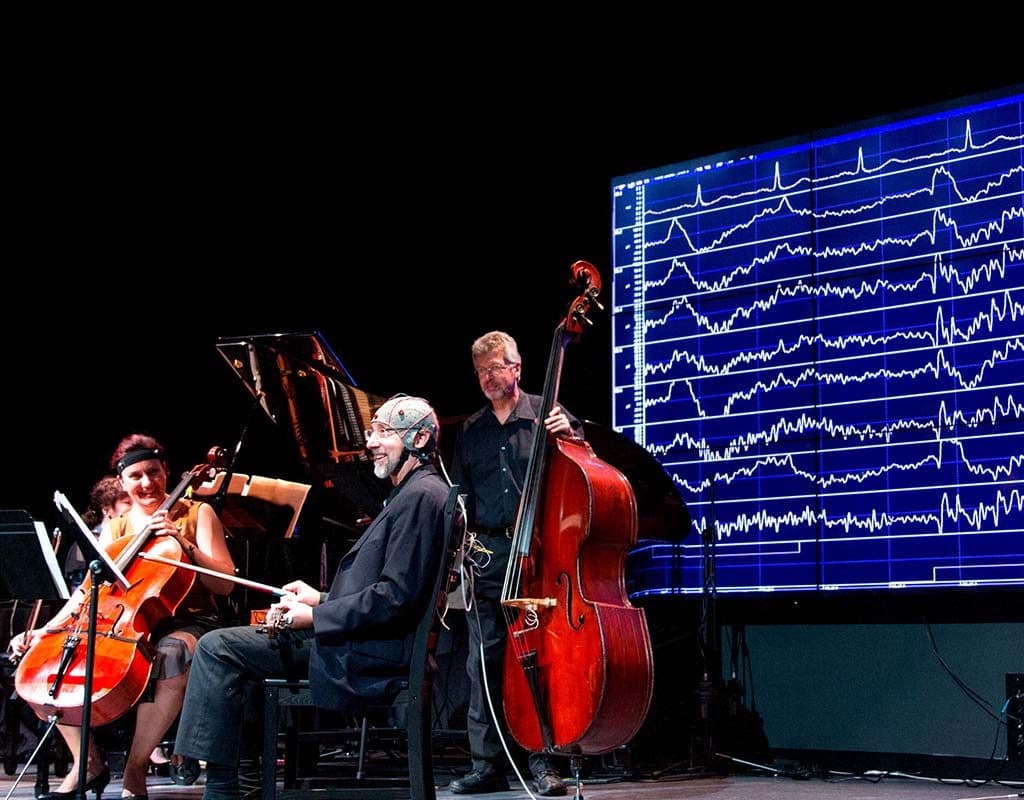
LIVELAB, part of the McMaster Institute for Music and the Mind (MIMM), studies the role of music training, movement and performance; its researchers use g.HIamp and g.HIsys to study music live. They examine how musicians interact, how audiences move during a performance, and the social and emotional effects of these experiences.