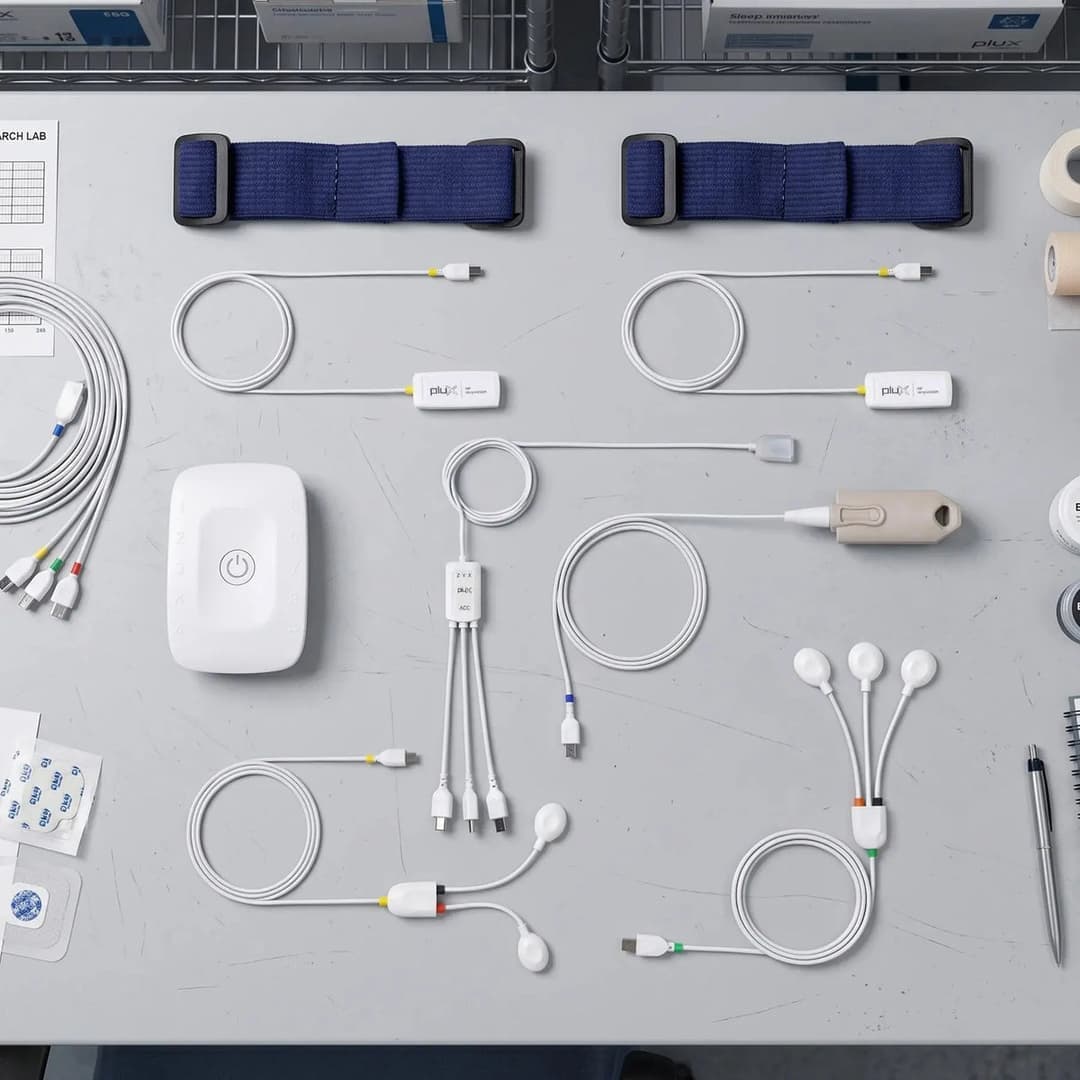
Complementary PLUX recordings
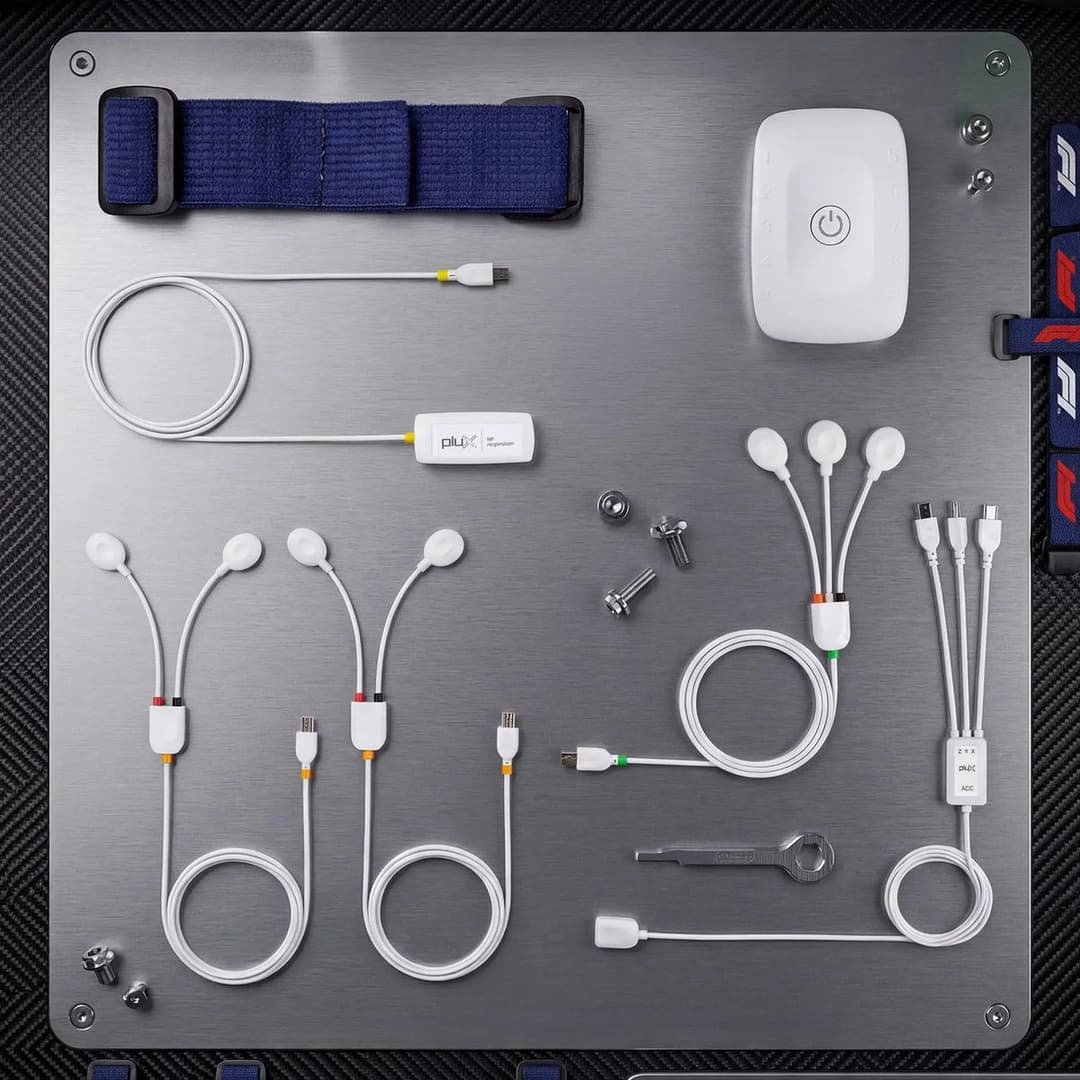
The Automotive Human Performance kit includes ECG, respiration, two EDA sensors and acceleration, but no EEG. When adding EEG and optical eye tracking, plan event timing and synchronization across the separate systems.

Driving simulation · Driver attention · Neuroergonomics
Real-time EEG recording in vehicles and driving simulators. g.tec's solutions for monitoring driver attention, fatigue and cognitive load.

The Automotive Human Performance kit includes ECG, respiration, two EDA sensors and acceleration, but no EEG. When adding EEG and optical eye tracking, plan event timing and synchronization across the separate systems.
Conventional driver monitoring systems rely on indirect methods such as steering movements or eyelid tracking. EEG-based systems detect fatigue and inattention directly from brain signals, in real time, long before behavioural signs appear.
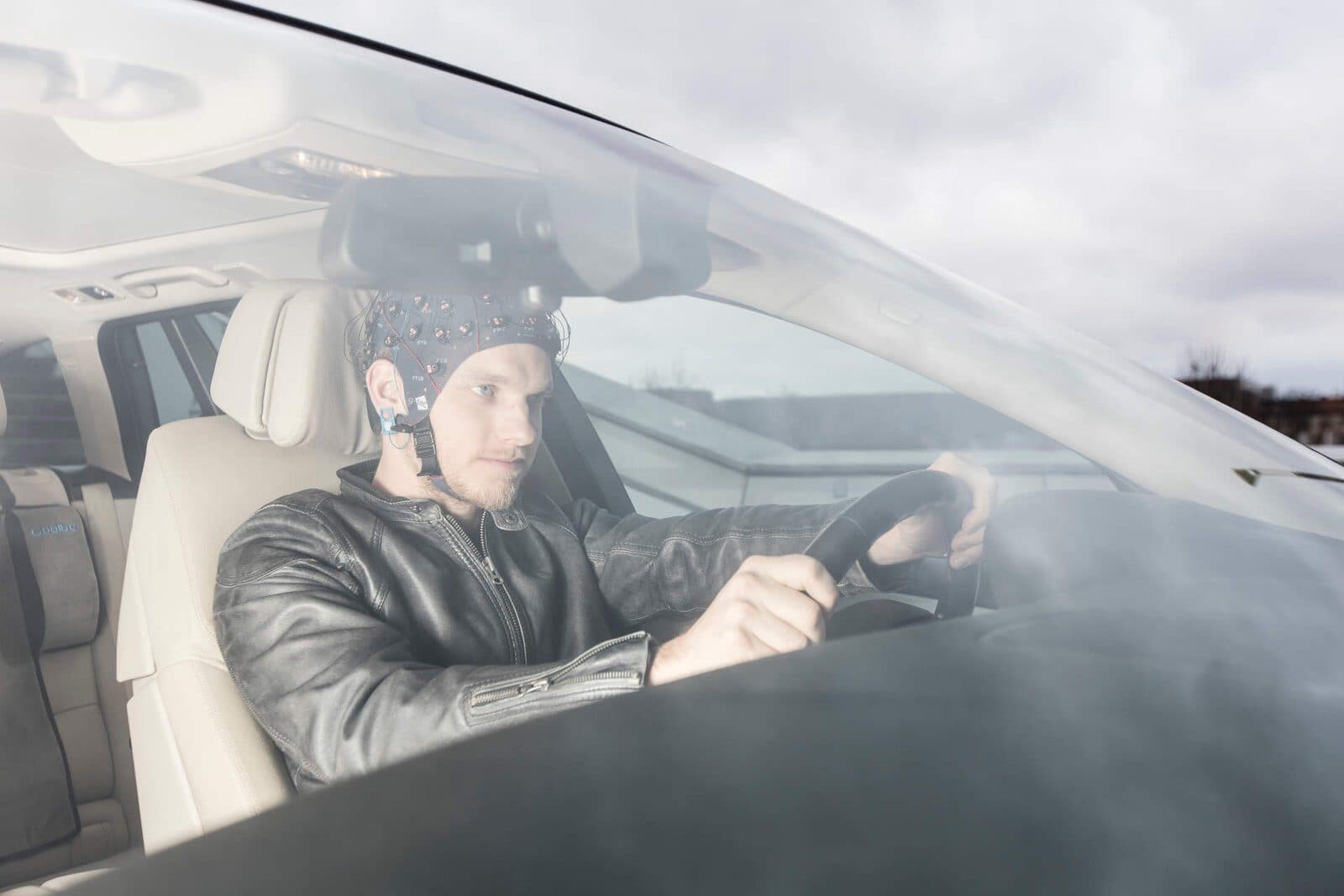
g.Nautilus Research delivers high-quality EEG under the vibration and motion of a vehicle. g.tec's own catalogue lists the “Automotive/Aerospace Neurophysiology Lab” as a dedicated lab set-up. It supports planning EEG alongside other physiological measurements in driving simulators and in-vehicle experiments.
Fatigue shows in EEG as increased power in the theta and alpha bands. g.tec's wearable EEG system monitors the driver's brain activity continuously in the vehicle and detects these changes in real time. A warning system can step in before behavioural signs appear.
EEG-based fatigue detection gives much earlier and more reliable results than indirect methods such as blinking or steering movements. Monitoring driver attention, drowsiness and cognitive load with millisecond precision has become the core method of in-vehicle neuroergonomics research.
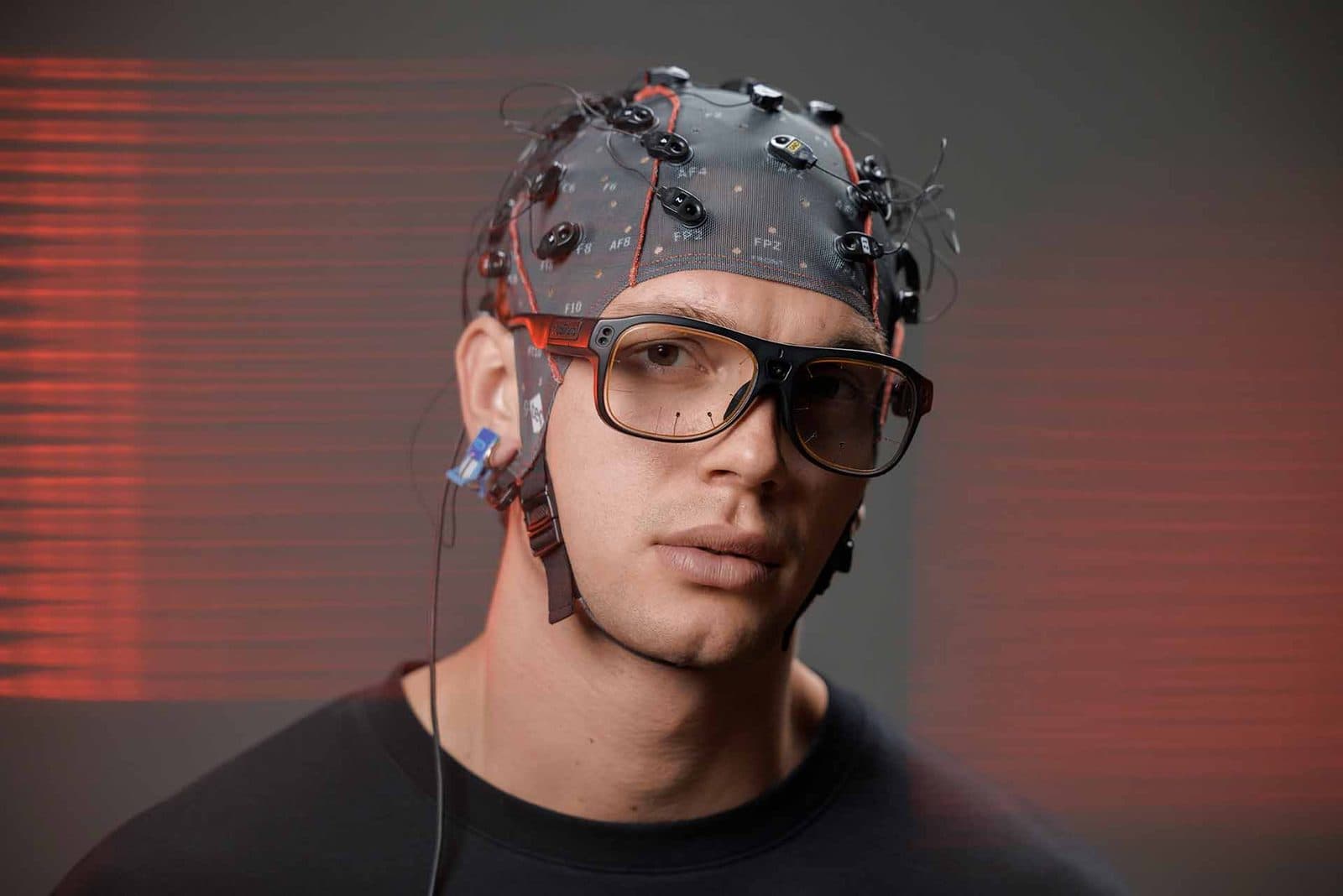
Working together with eye trackers and video cameras, g.Nautilus Research forms a complete platform for in-vehicle neuroergonomics research. Where the driver looks, for how long, and the brain activity at that moment are recorded simultaneously.
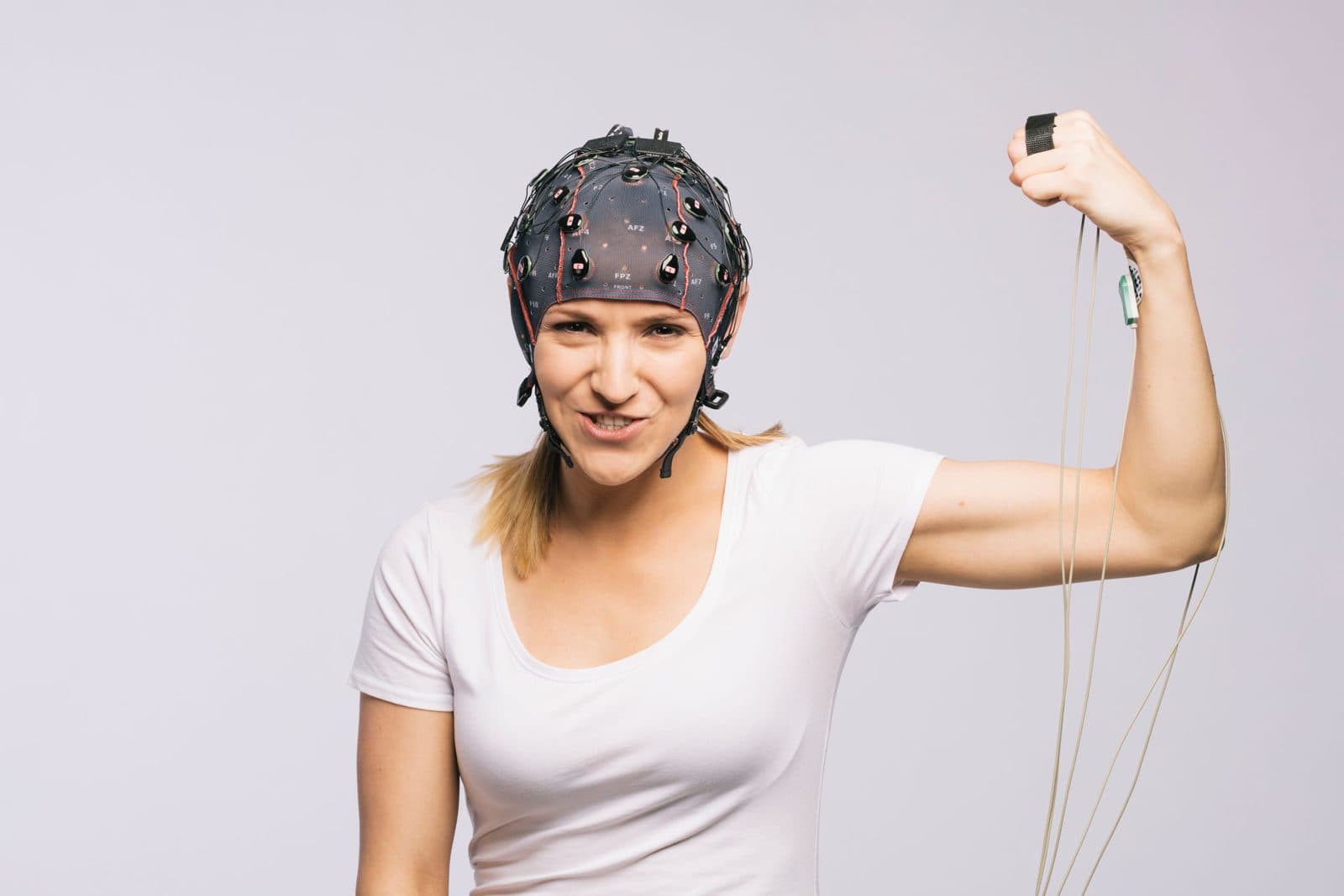
With the body sensor support of g.Nautilus Multi-purpose, ECG (heart rhythm), GSR (skin conductance) and respiration can be monitored alongside EEG. This multichannel physiological profile is used to assess driver stress management, HMI (human-machine interface) design and autonomous-vehicle takeover scenarios.

The main studies you can run with g.tec's Automotive/Aerospace Neurophysiology Lab set-up.
Tracking increases in theta and alpha band power in real time to trigger a warning before drowsiness sets in. EEG-based early warning is far more reliable than indirect methods.
Objective EEG measurement of driver cognitive load in complex traffic, during HMI interactions and at autonomous-vehicle handovers. Critical data for optimising vehicle design.
Real-time EEG assessment of driver readiness at the moment of switching from autonomous driving to manual control. Developing safe handover protocols.
Measuring with EEG how in-vehicle infotainment, the instrument cluster and voice-assistant interfaces affect driver cognitive load. Human-centred vehicle design.

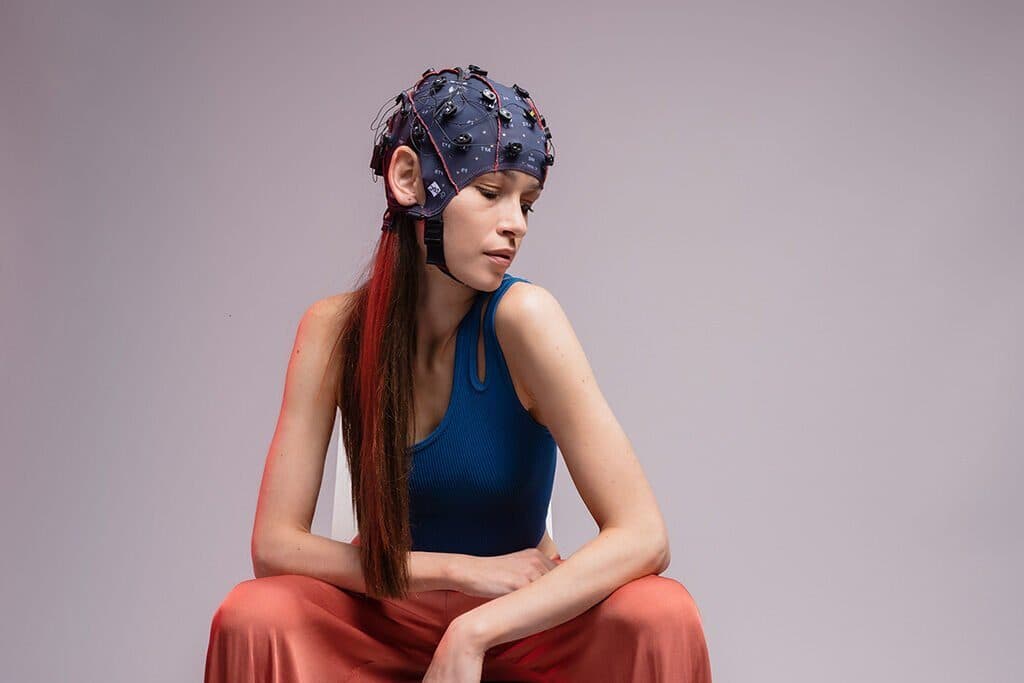
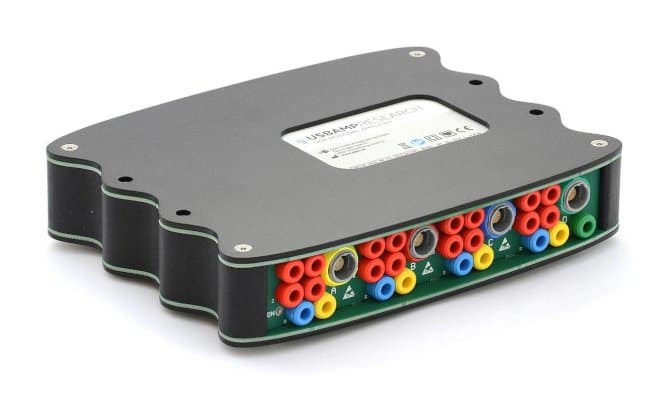
Wearable EEG headset, for research only
Learn more
Multimodal wireless EEG for brain and body
Learn more
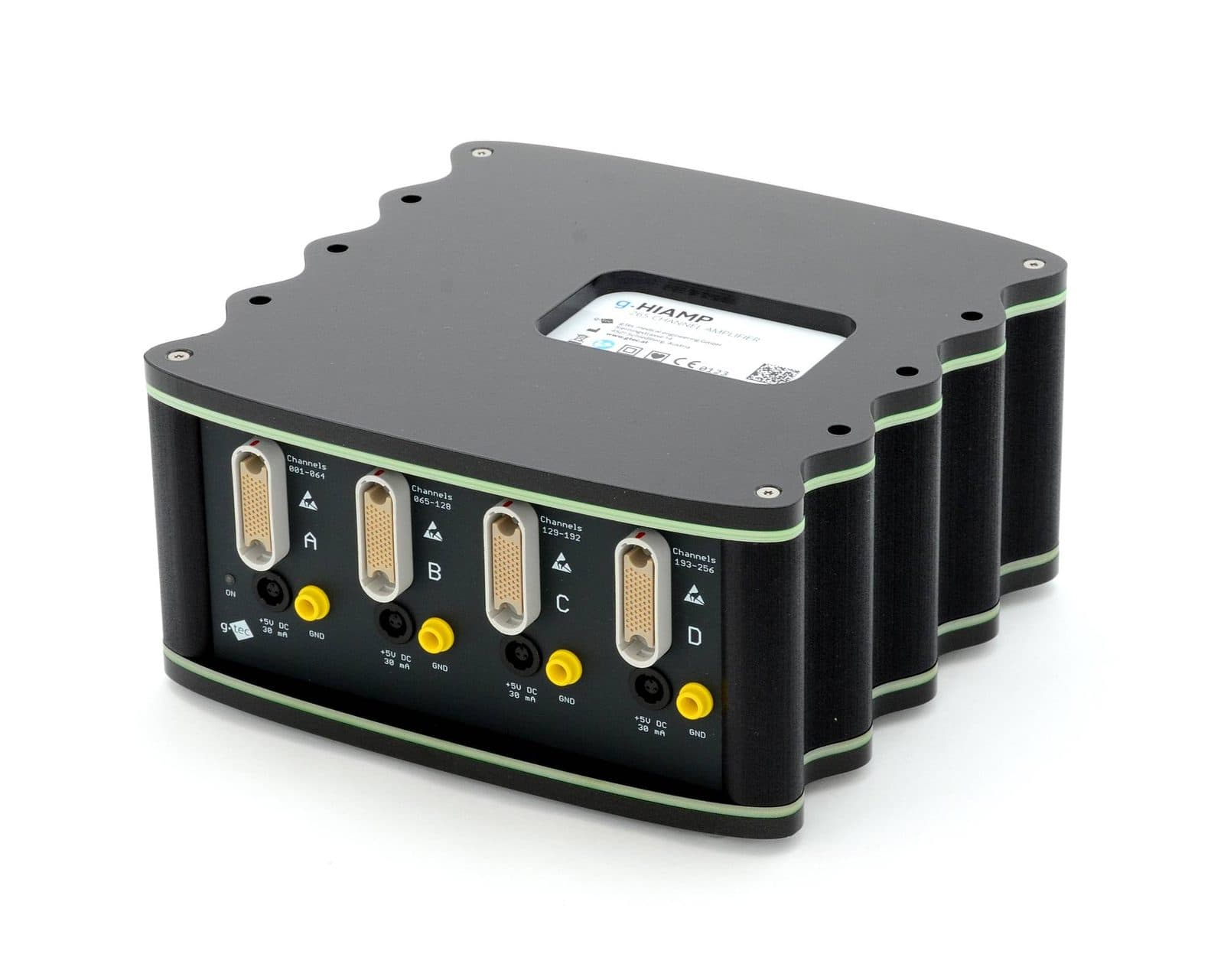
256-channel biosignal amplifier
Learn more
16-channel biosignal amplifier
Learn more
EEG and eye-tracking integration
Learn more
Synchronous biosignal research
Learn more
TMS-EEG is one of the most powerful combined neuroscience approaches for studying brain function. But turning that power into quality data requires hardware optimised specifically for the task — and electrode geometry sits at the centre of that process.
Read the article
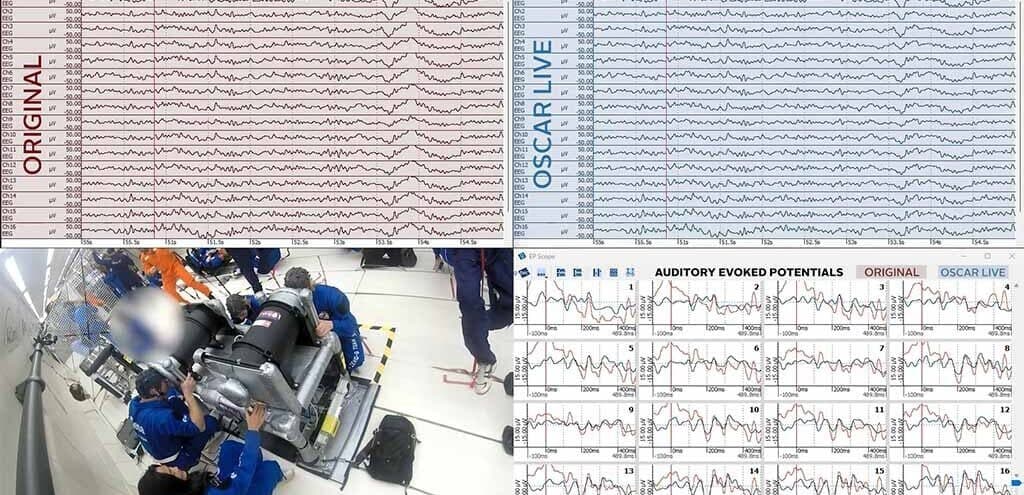
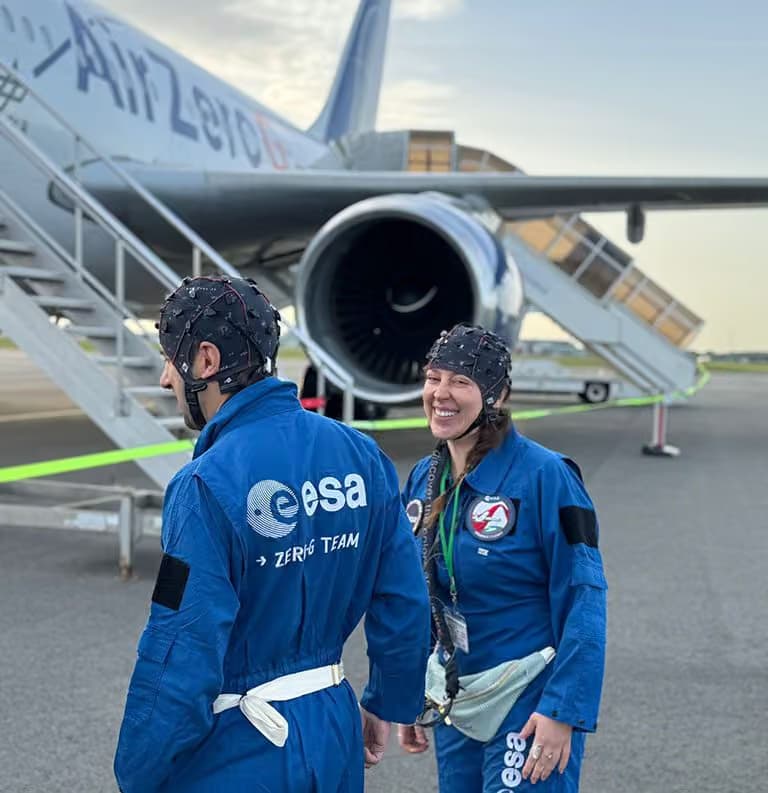
Studying brain activity in microgravity under extreme conditions is a critical area of research in neuroscience. Understanding how the human brain responds to microgravity can offer valuable insights into neural adaptability, cognitive function and human physiology in the space environment.
Read the article
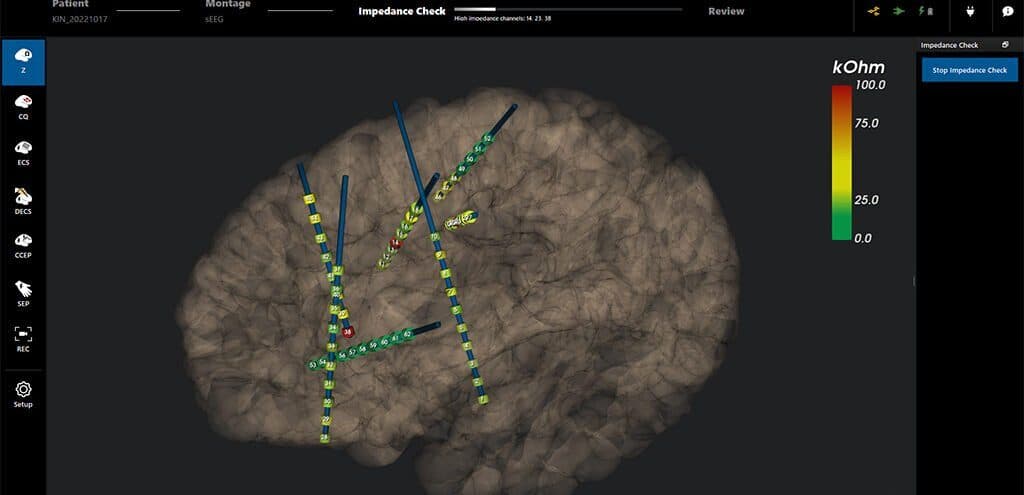
cortiQ 2.0 improves the accuracy of brain mapping in epilepsy and brain tumour surgery using electrocorticographic (ECoG) data and advanced high-gamma mapping. By identifying the critical brain areas responsible for essential functions such as motor movement and speech production, this state-of-the-art neurotechnology system enables safer resections and significantly reduces the risk of neurological deficits.
Read the article
Study pilot attention, mental workload, stress and fatigue in flight simulators using EEG, eye tracking, fNIRS and biosignals.
Learn more
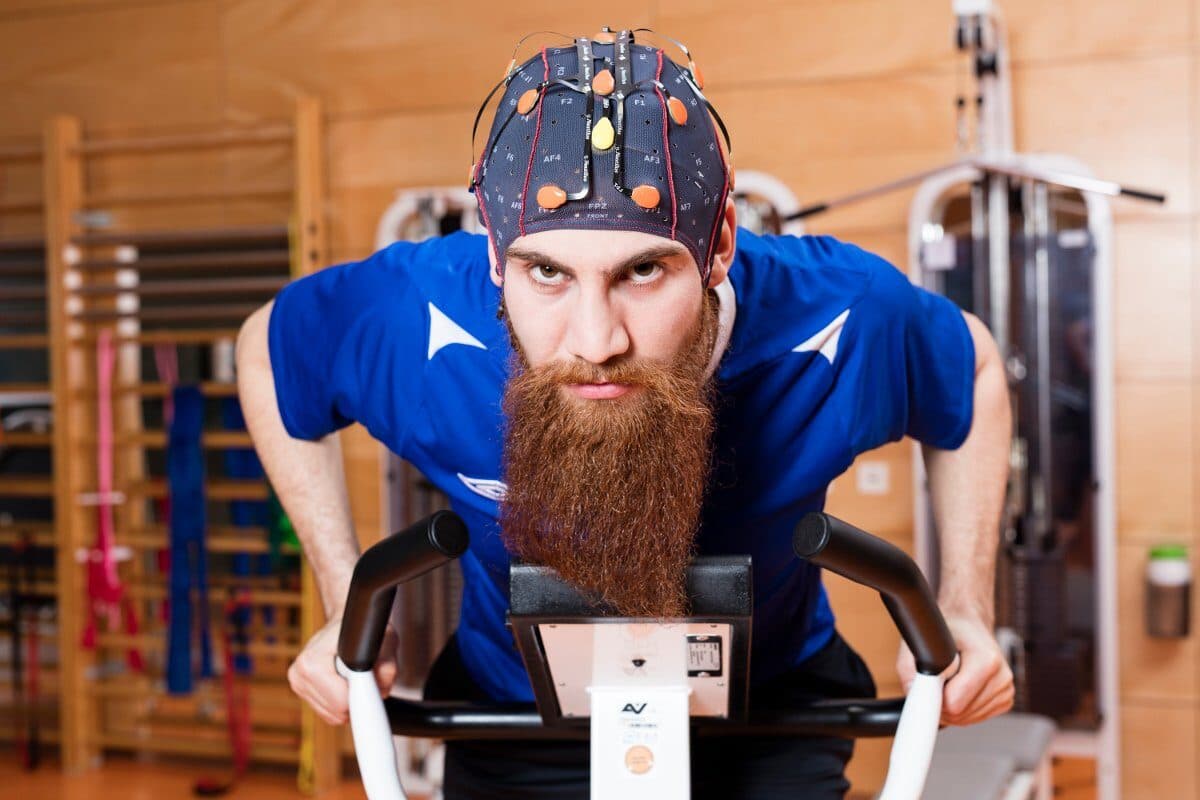
Low-artefact EEG while running, jumping and exercising: research on athletic performance, motor learning and high-altitude medicine.
Learn more
Combine brain activity, cardiac rhythm, respiration and movement for studies of sleep, rest and overnight physiology.
Learn moreOur specialists will help you choose the EEG system and sensor combination that best fit your in-vehicle or driving-simulator application.
Call us +90 554 381 46 20Serving all of Türkiye · reply within 24 hours on working days