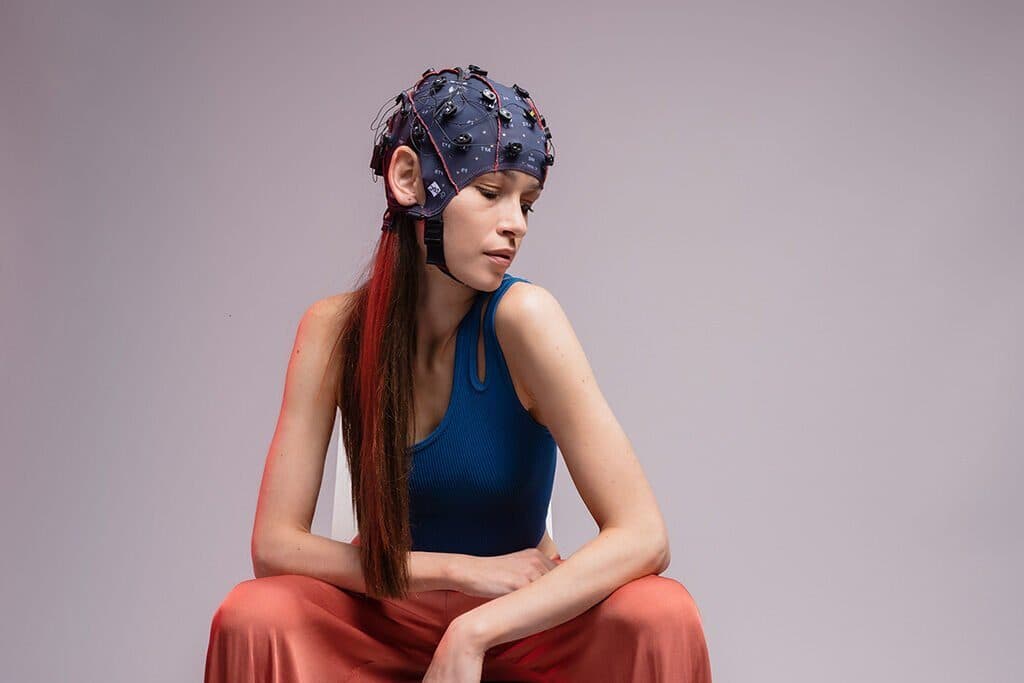
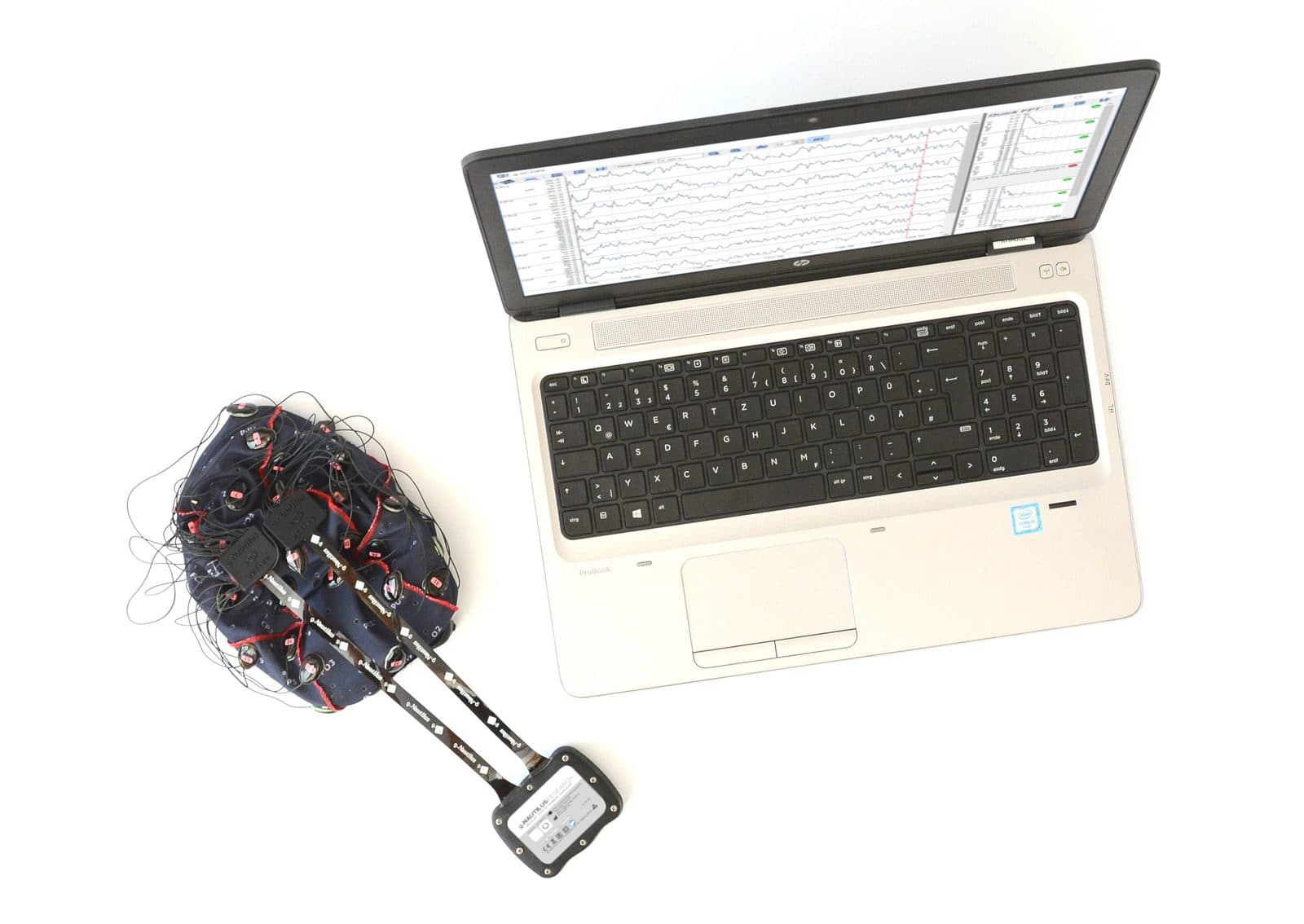
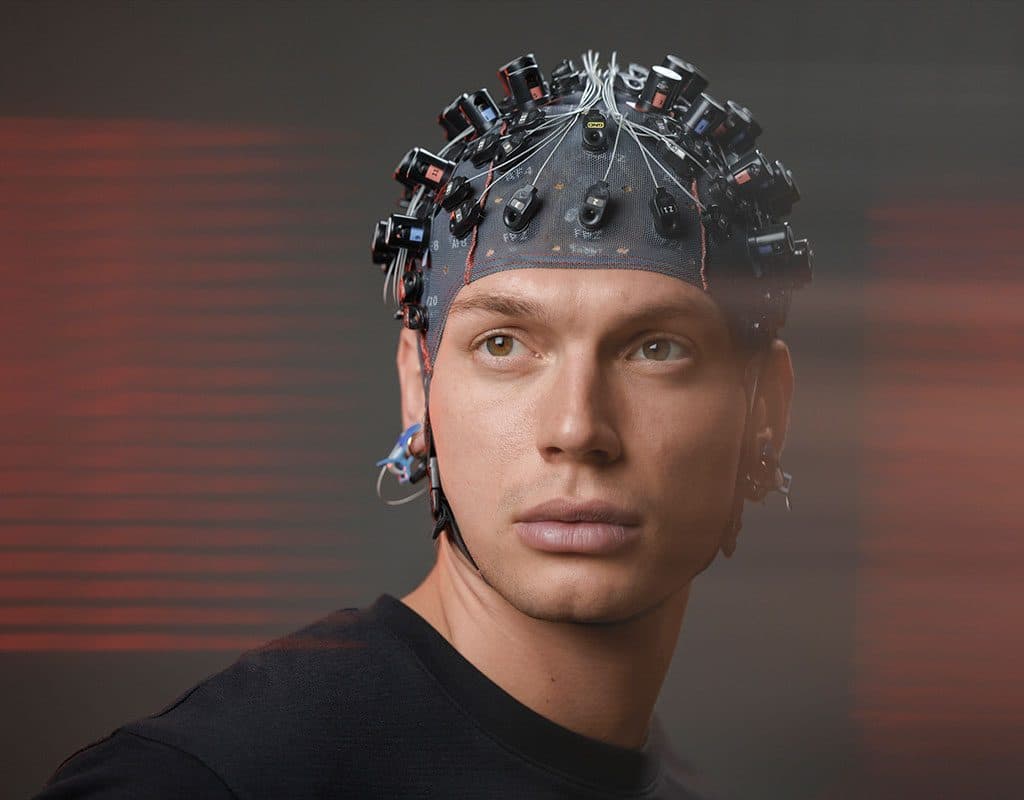
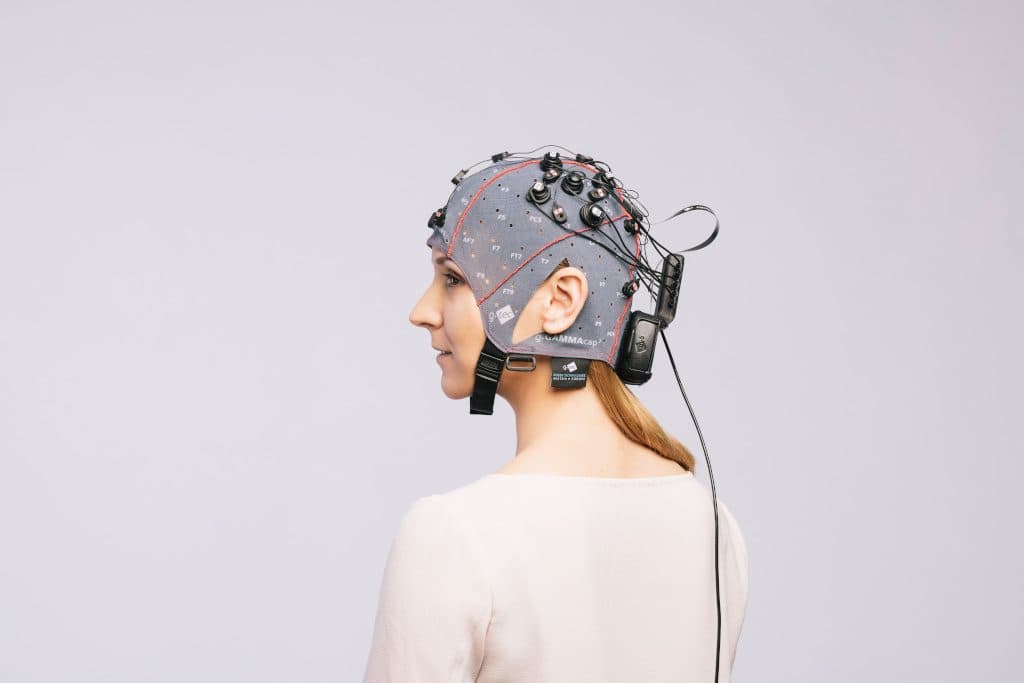
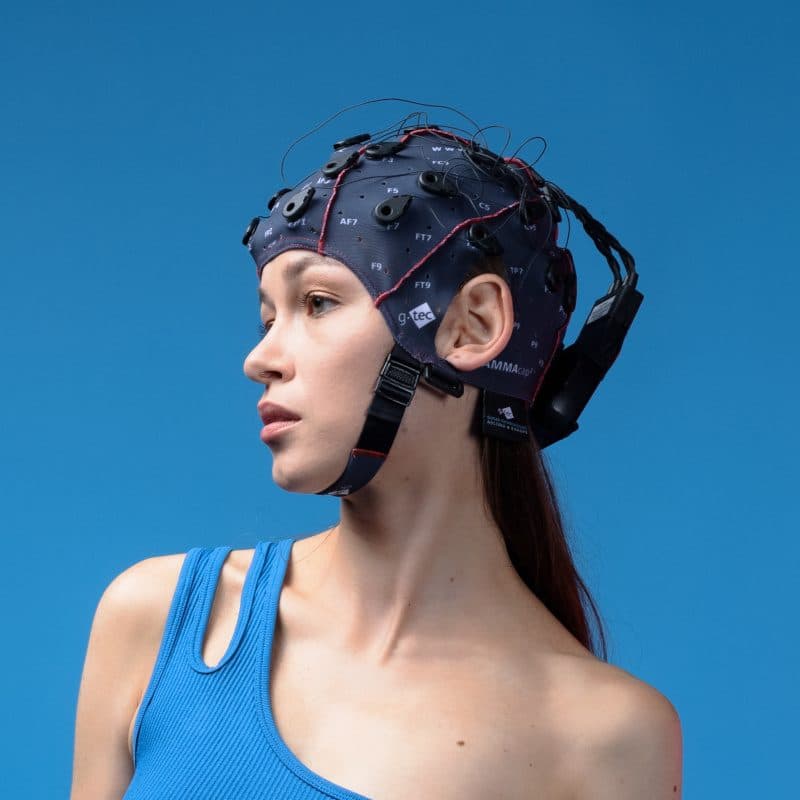
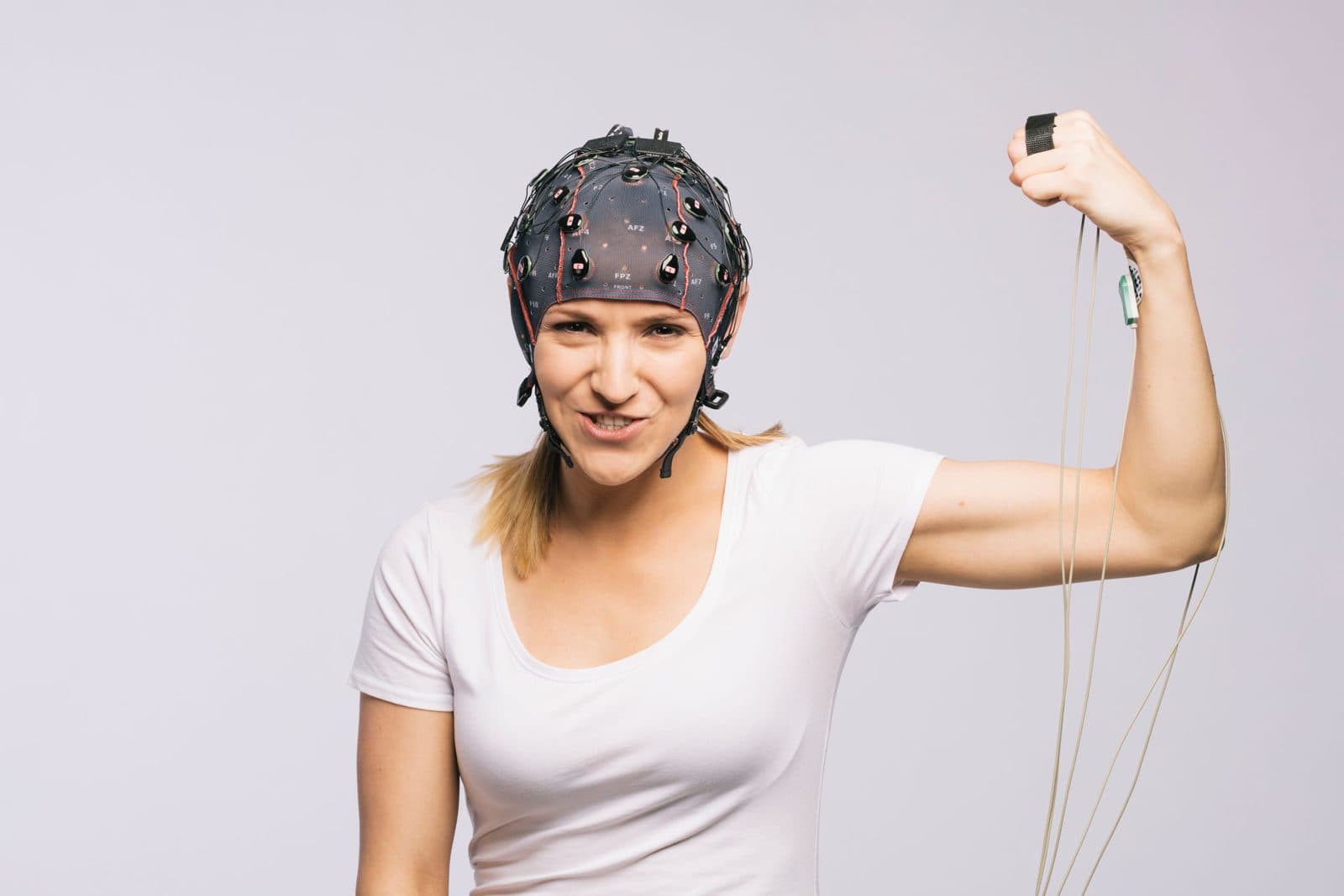
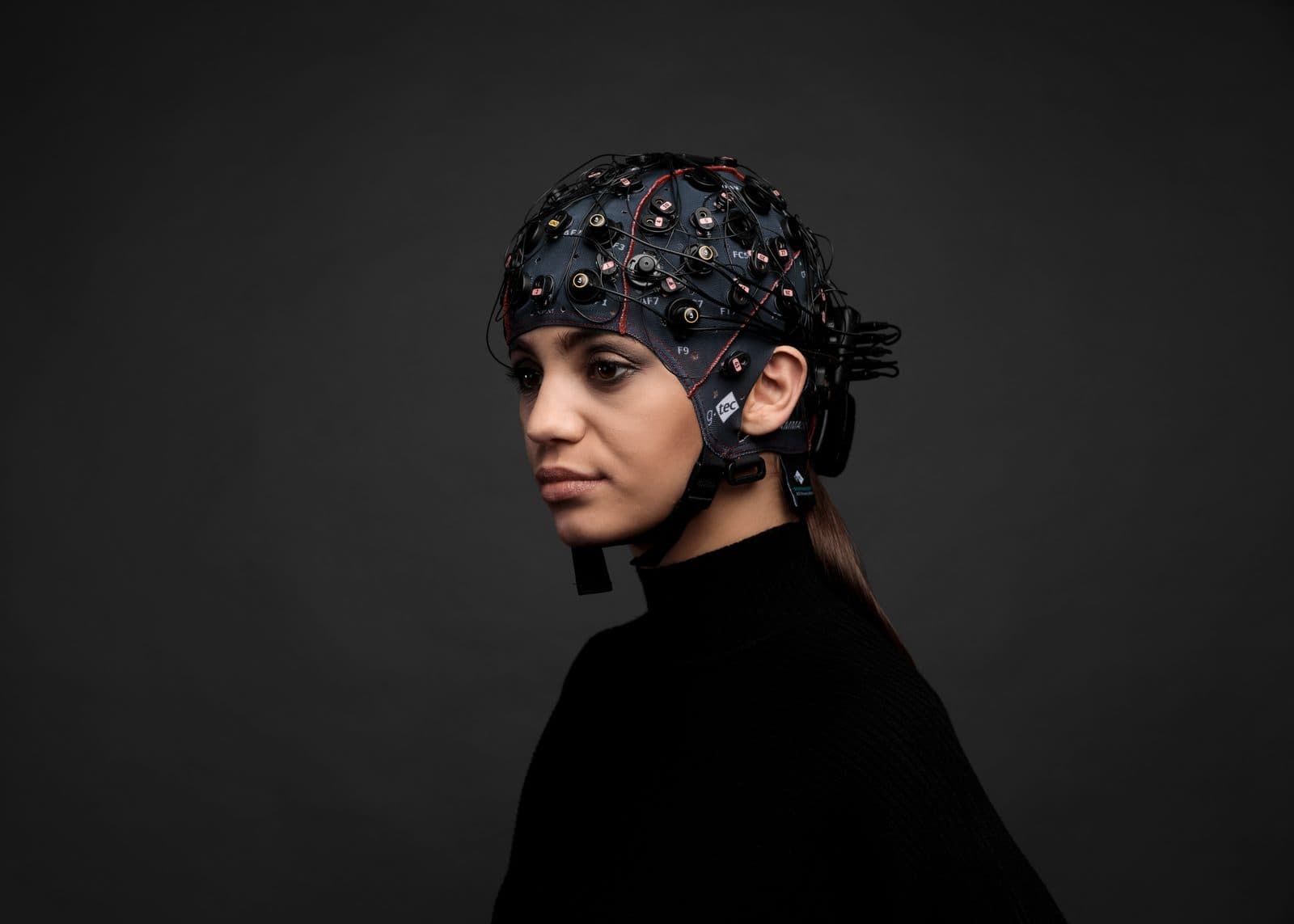
g.Nautilus Research is a research-grade wireless EEG platform for advanced neuroscience. With 8, 16, 32 or 64 active EEG channels it enables mobile experiments in brain-computer interfaces, multimodal neuroimaging, virtual reality, cognitive neuroscience, sports science and real-world brain research. The amplifier sits on the cap and the signal travels wirelessly over 2.4 GHz, so participants are recorded outside the lab and on the move.
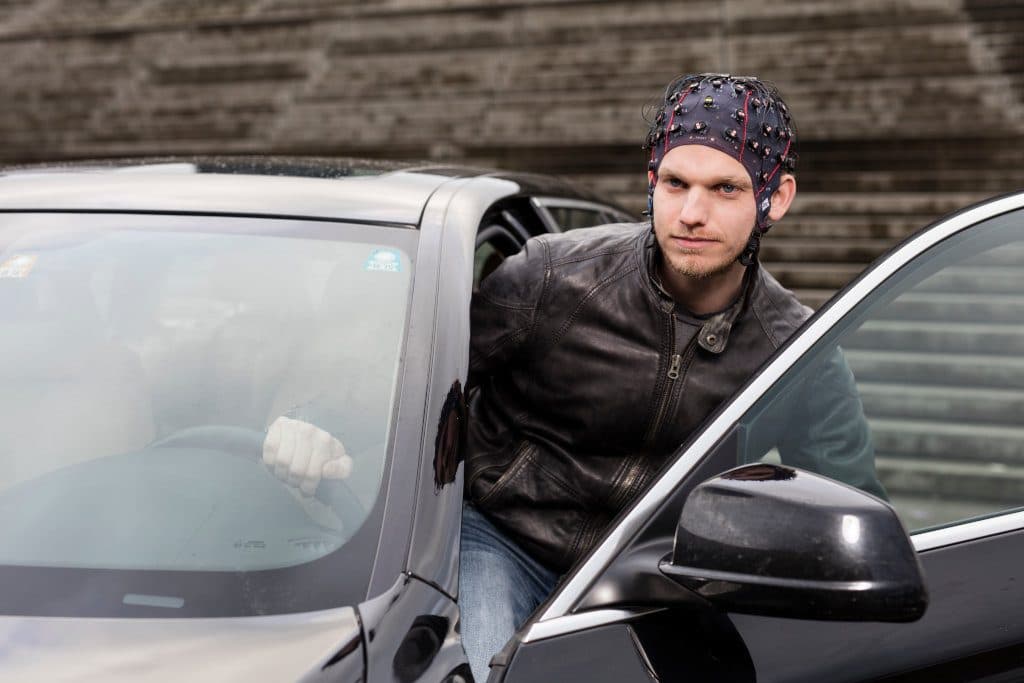
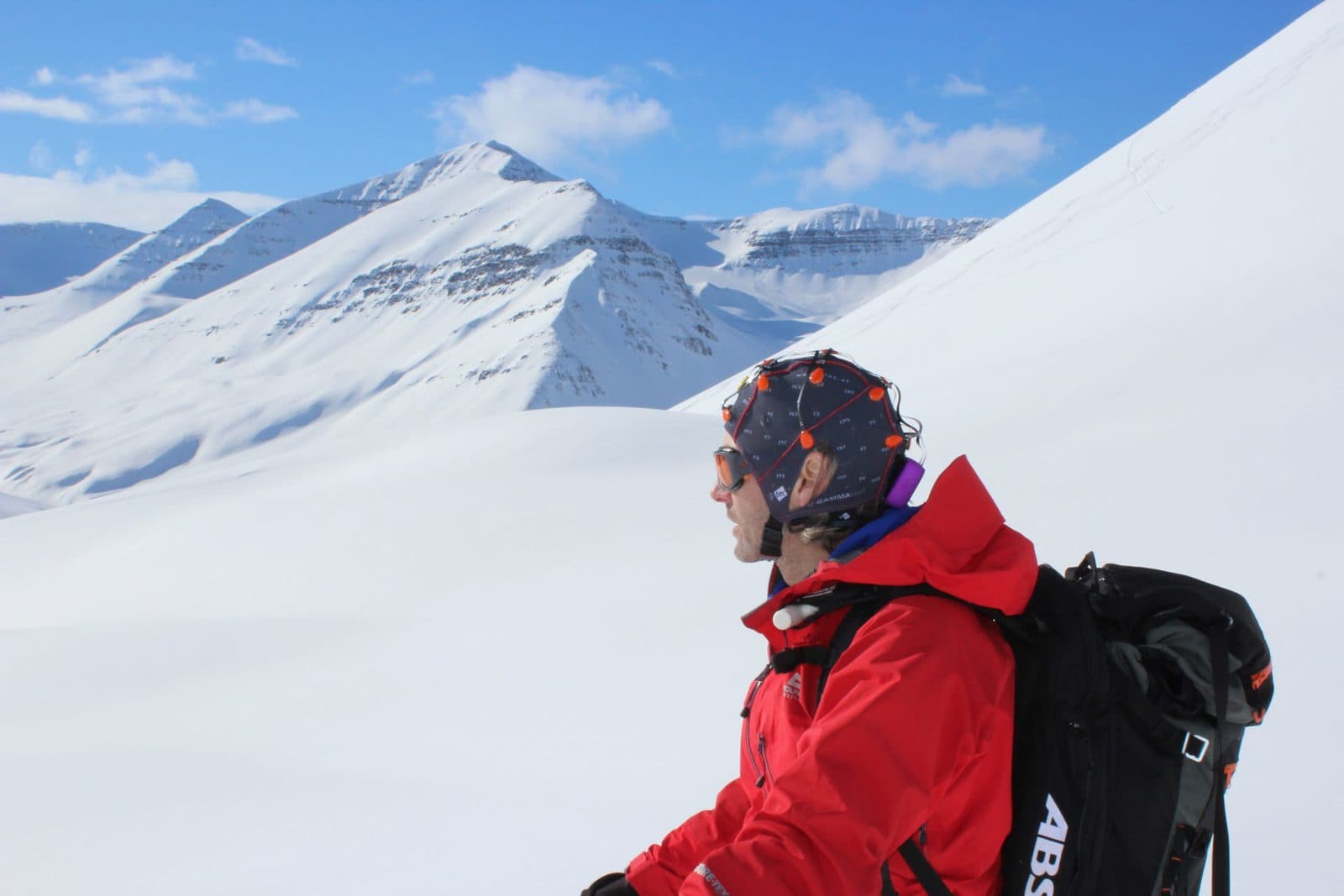
Wireless EEG removes the electrode cables that tie a participant to a stationary amplifier, so recordings can happen while walking, running, in virtual reality and in field studies. The light amplifier mounts directly on the cap, which keeps cable movement to a minimum, and active electrodes reduce motion-induced artefacts. The waterproof housing and contactless Qi charging make sports and field research easier.
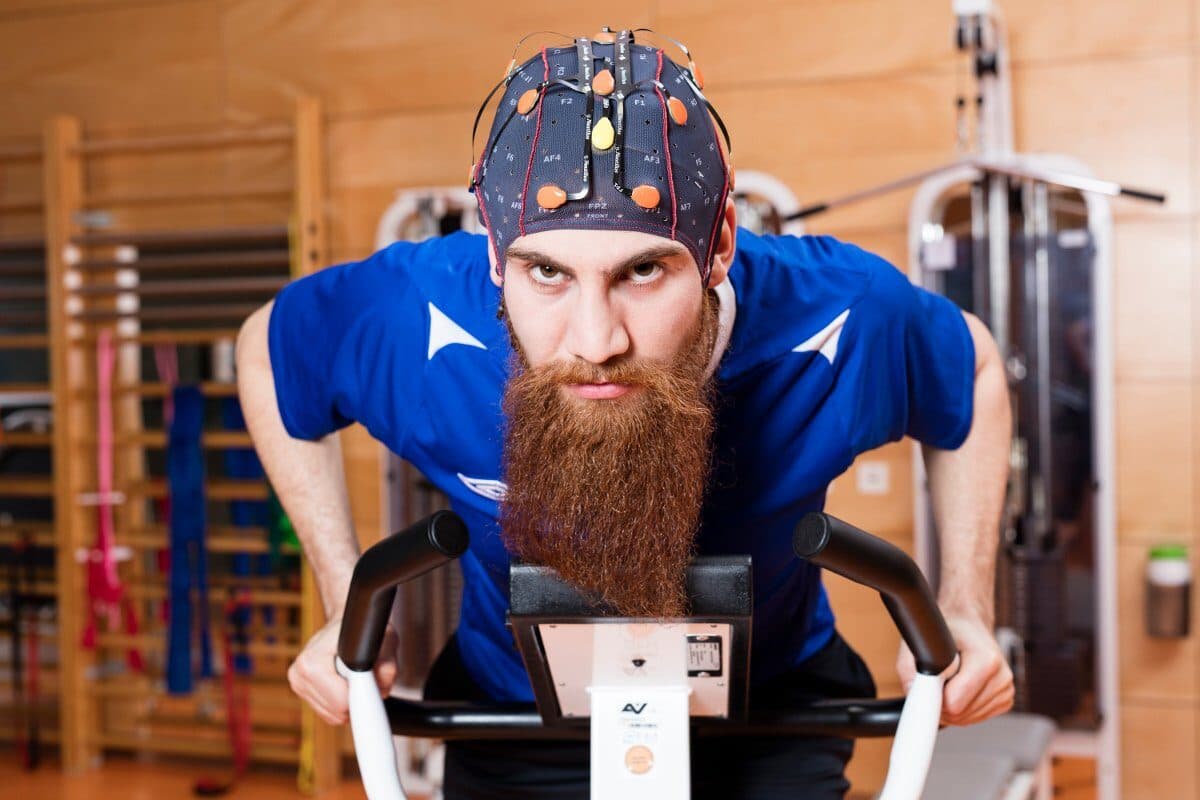
Walking, running, cycling
Waterproof
Contactless charging
Electrode technology
Dry or gel, chosen per experiment
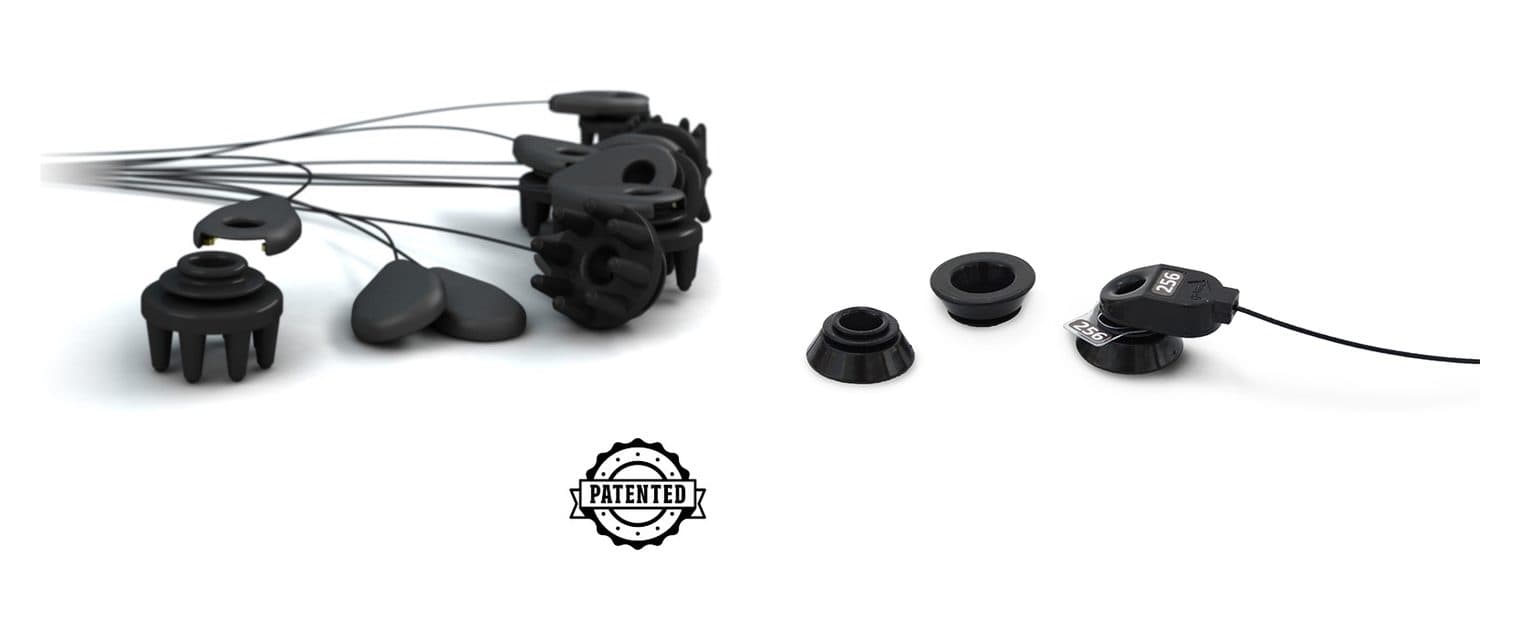
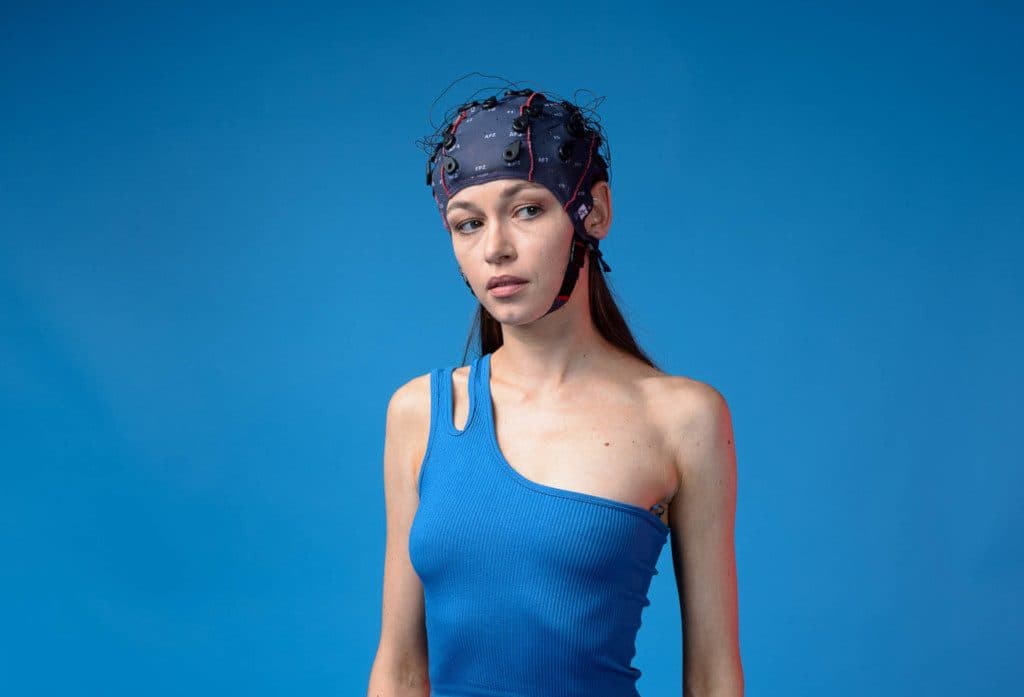
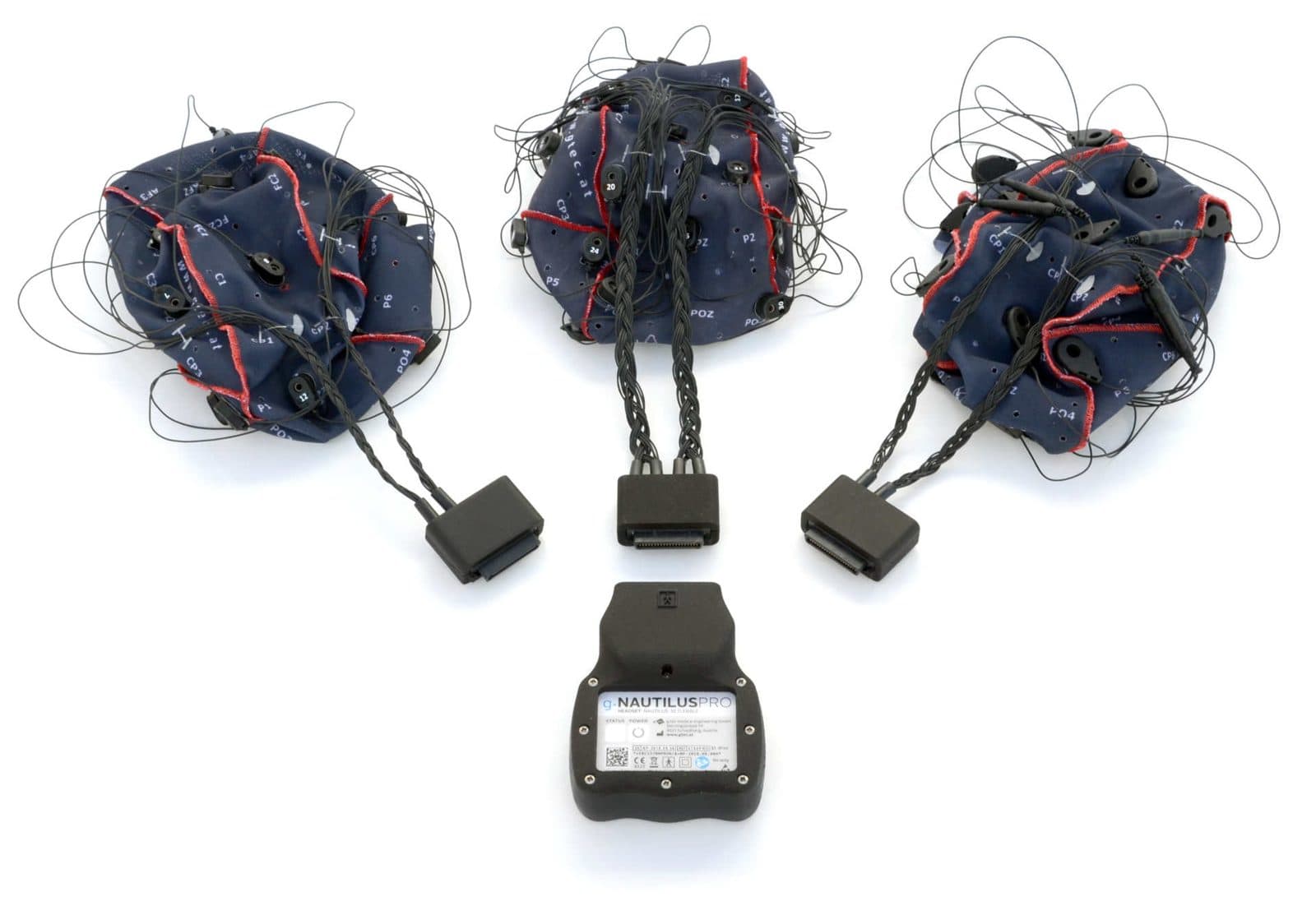
g.SAHARA Hybrid records dry or gel-assisted and sets up quickly without hair washing, ideal for mobile neuroscience, field studies, sports science and repeated measurements. g.SCARABEO active wet electrodes give consistently low impedance and maximum stability, suited to cognitive neuroscience, BCI, EEG-fNIRS and multimodal neuroimaging, long sessions and high-density recording. The g.GAMMAcap, in child and adult sizes, works with both.
g.SAHARA Hybrid
g.SCARABEO
g.GAMMAcap
Independent comparison
Signal quality measured in a peer-reviewed study
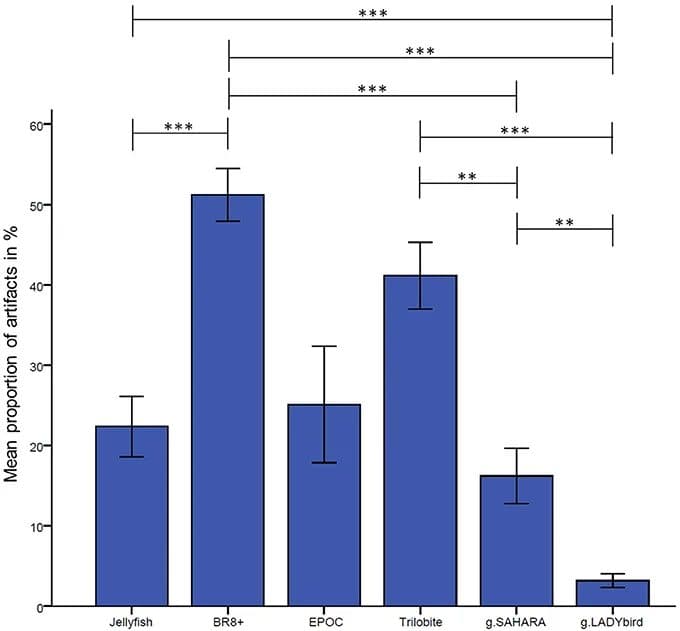
An independent study in Frontiers in Physiology (Radüntz, 2018) compared six wireless EEG systems using artefact analysis, signal-to-noise ratio and cognitive task paradigms. It found g.Nautilus with g.LADYbird active EEG electrodes the highest-performing system overall, and g.Nautilus with g.SAHARA Hybrid the best of the dry-electrode systems. The chart shows each system's mean proportion of artefacts in a resting recording.
g.Recorder acquires and records EEG; g.HIsys is for real-time signal processing and BCI applications; g.BSanalyze handles offline EEG analysis and artefact processing; g.Pype is the Python SDK for custom pipelines and machine learning; g.tec Suite 2024 brings them together. Raw EEG is openly accessible through the Python API, MATLAB, Simulink, Lab Streaming Layer (LSL) and g.NEEDaccess.
g.Recorder
g.HIsys
g.BSanalyze
g.Pype
Researchers' voices
From Parkinson's to robotic arms
Dr Aysegul Gunduz of the University of Florida describes using g.Nautilus wireless EEG amplifiers to study freezing of gait in Parkinson's disease, synchronising seamlessly with VICON motion capture without adding any burden for patients. Prof. Hiroshi Ishiguro of the Intelligent Robotics Laboratory in Japan mentions ongoing studies that extend human arm control to several arms through brain-computer interfaces.
University of Florida
Intelligent Robotics Laboratory
Applications
01
Mobile EEG-fNIRS neuroimaging
Neural activity and cerebral haemodynamics during natural behaviour; synchronised multimodal recording with g.SENSOR fNIRS.
02
Human factors and neuroergonomics
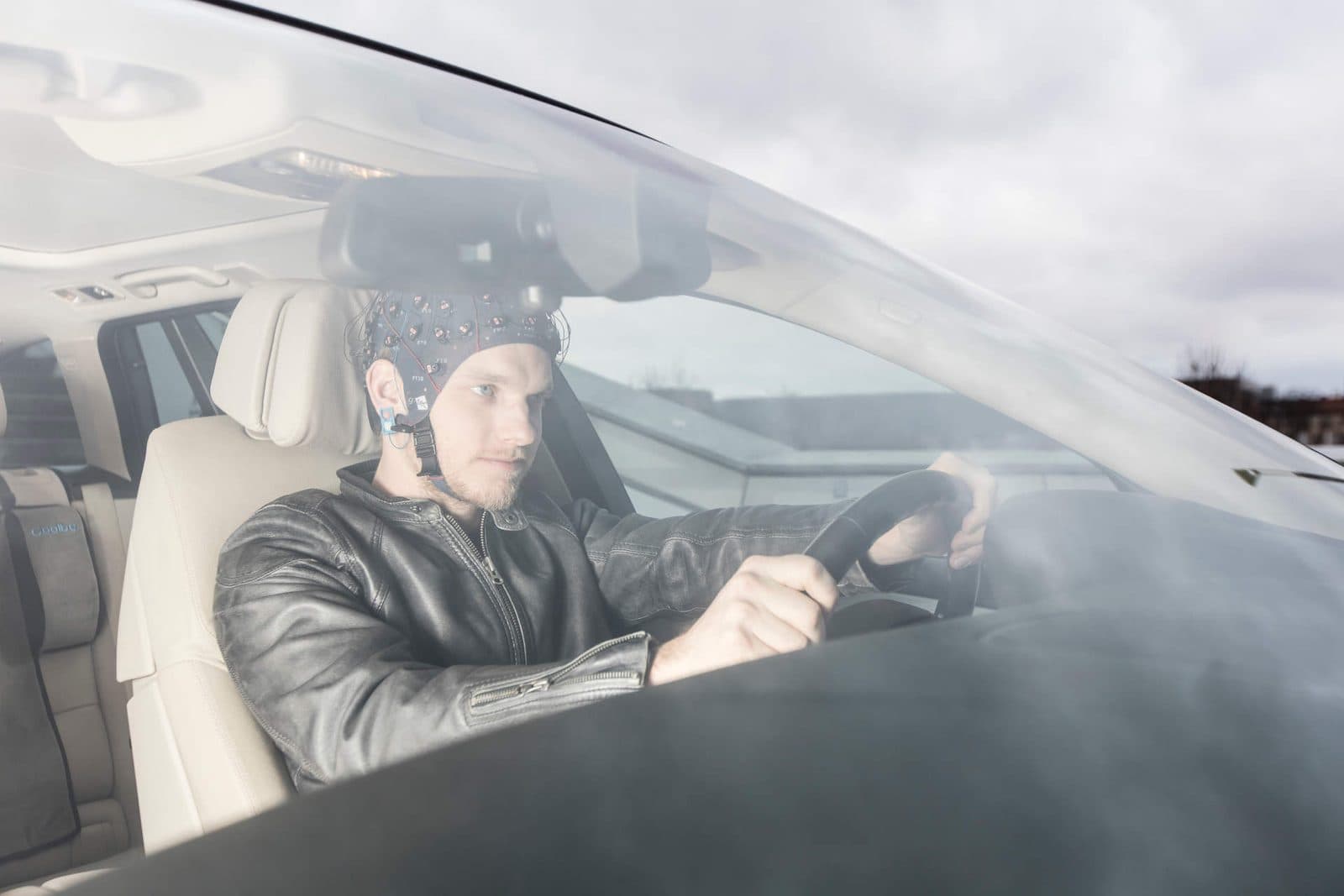
Attention, cognitive workload and decision-making in driving and flight simulators, virtual reality and human-computer interaction.
03
Sports science
Reliable EEG during natural movement in running, cycling, jumping and balance tasks; the preparation method is chosen per experiment.
04
Brain-controlled robotics
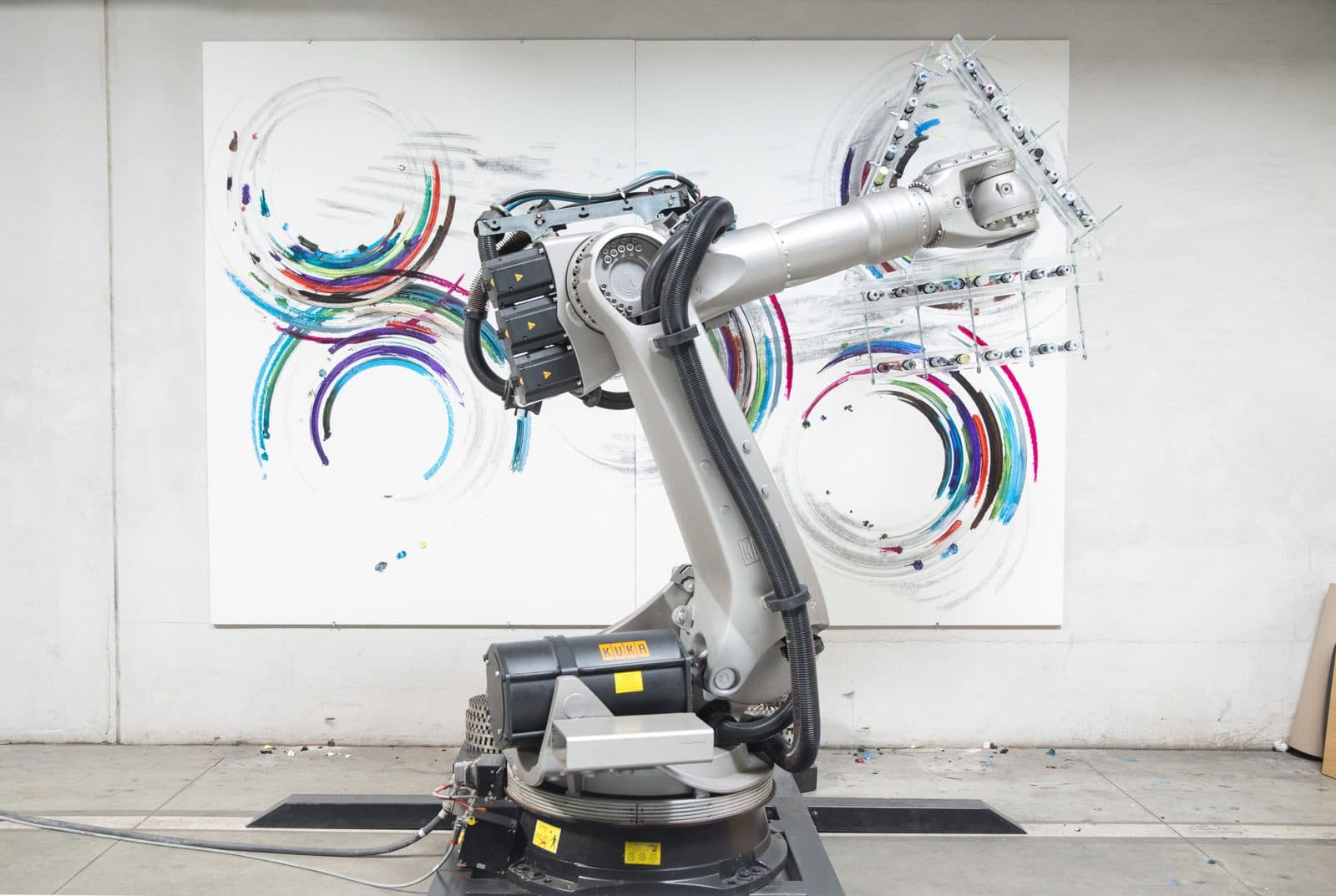
Motor imagery, P300 and SSVEP to control robotic systems and assistive technology; the artist Dragan Ilic showed real-time robot control at the Ars Electronica Festival.
05
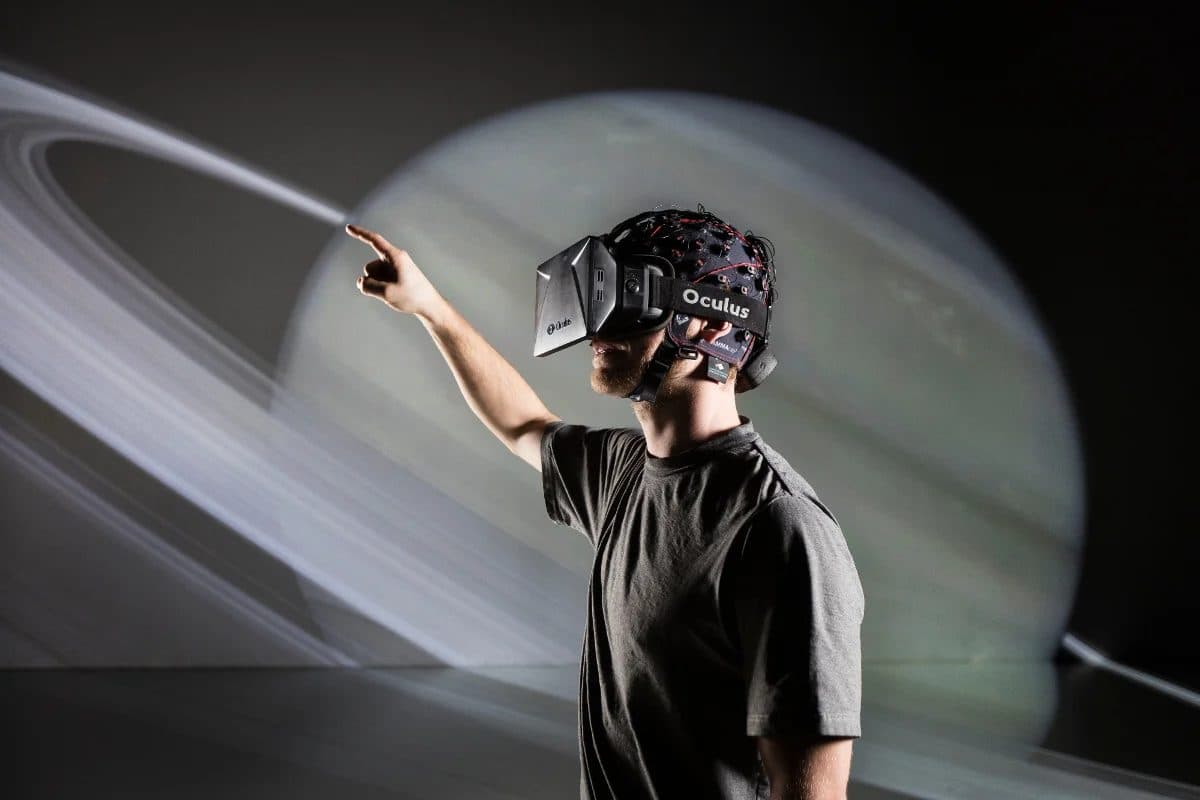
Virtual reality and neuromarketing
Embodiment research in VR experiments; integration with eye trackers and cameras.
06
Real-world neuroscience
Natural movement, sports, transport and human factors research with a light wireless design; active electrodes keep recordings stable in demanding experiments.
07
Pediatric EEG research
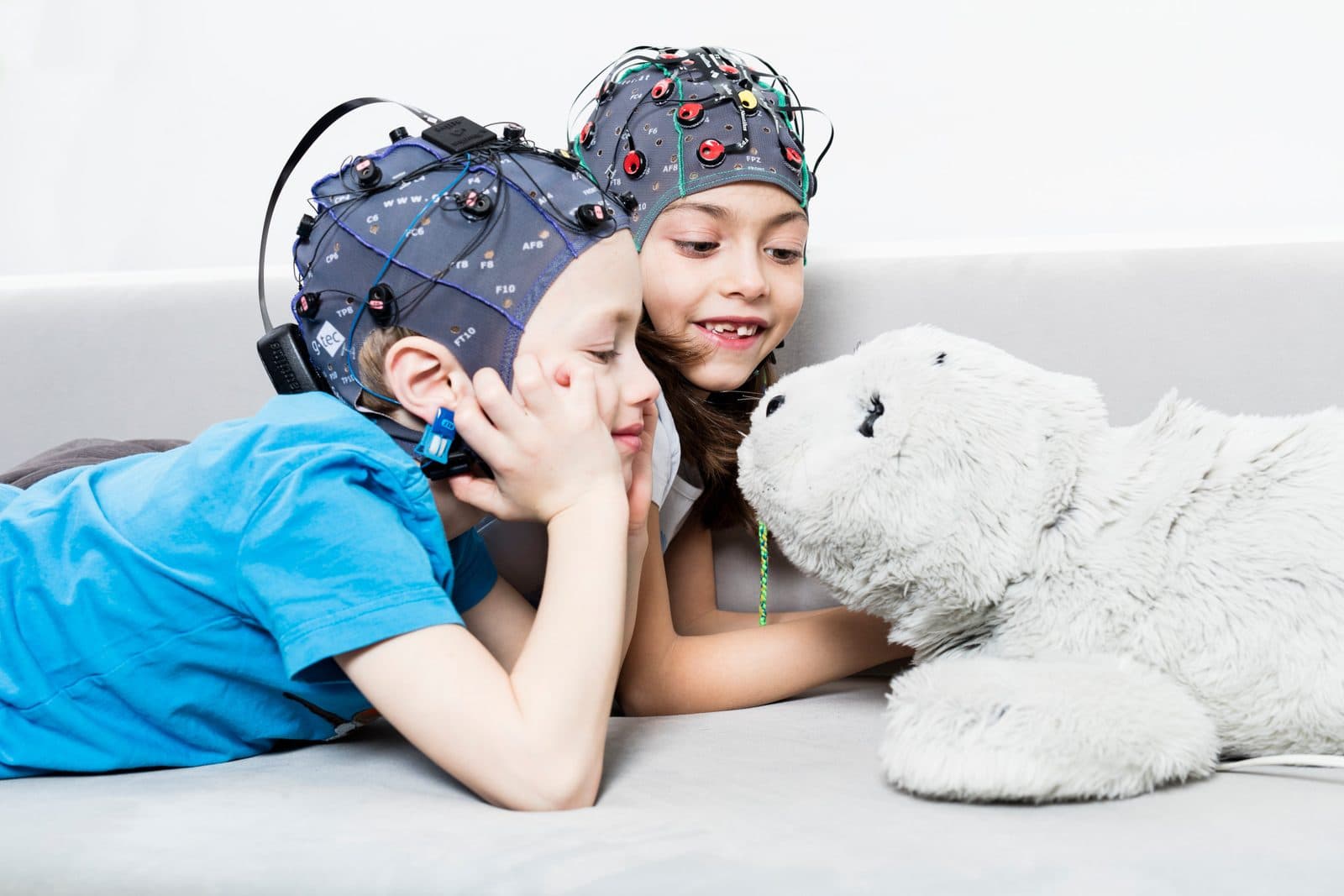
Light hardware and several g.GAMMAcap sizes reduce movement artefacts in children; developmental neuroscience and pediatric BCI research.
Video
Cleaning the EEG cap correctly and regularly keeps the device performing at its best and extends its life. g.tec's step-by-step cleaning guide.
Up close
Frequently asked questions
Why wireless EEG?
Wireless systems remove the electrode cables connecting participants to stationary amplifiers, so recordings can happen while walking, running, in virtual reality and in field studies. Mounting the amplifier directly on the cap reduces motion artefacts.
What is the difference between g.SAHARA Hybrid and g.SCARABEO?
g.SAHARA Hybrid records dry and gel-assisted, for fast preparation in mobile studies. g.SCARABEO active wet electrodes give consistently low impedance and maximum stability for demanding applications that need long sessions or high-density recording.
Why flexible electrode positioning?
Different experiments need different montages. Flexible positioning supports cognitive neuroscience, brain-computer interfaces, source localisation, neuroimaging and custom spatial sampling.
Can recordings be made during movement?
Yes. The light amplifier mounted on the cap minimises cable movement and active electrodes reduce motion-induced artefacts, so acquisition stays reliable during walking, running, cycling, balance tasks, rehabilitation and sports science.
Can EEG be combined with fNIRS?
Yes. Direct integration with g.SENSOR fNIRS gives synchronised electrophysiological and haemodynamic measurements for research on neurovascular coupling, cognitive processing, motor control and rehabilitation.
Can external devices be synchronised?
Yes. Digital trigger inputs and Lab Streaming Layer (LSL) synchronise with eye trackers, motion capture, virtual reality, robotics, physiological sensors and stimulation devices.
Is it suitable for brain-computer interface development?
Yes. It is widely used for motor imagery, P300, SSVEP, hybrid BCIs, neurofeedback and real-time neural decoding, inside and outside the laboratory.
Can I develop my own neuroscience software?
Yes. Raw EEG is openly accessible through the Python, MATLAB, Simulink, LSL, g.Pype and g.NEEDaccess APIs. g.tec Suite 2024 offers ready-to-use applications for P300, motor imagery, SSVEP, neurofeedback and multimodal acquisition, and stays fully customisable.
How was the signal quality validated?
An independent peer-reviewed evaluation in Frontiers in Physiology compared several wireless systems using artefact analysis, signal-to-noise ratio and established neurophysiological paradigms, and found g.Nautilus with active electrodes among the highest-performing systems (Radüntz, 2018).
Which applications is g.Nautilus Research designed for?
Cognitive neuroscience, mobile EEG, brain-computer interfaces, virtual reality, neuroergonomics, human factors, sports science, multimodal neuroimaging, EEG-fNIRS, robotics, neurorehabilitation, psychology, pediatric neuroscience, machine learning and real-world neuroscience.
Talk to our team about device selection, protocol design, installation and software integration. We will work out the technical configuration that best fits your research or clinical goal.