Block libraryBCI by drag and drop
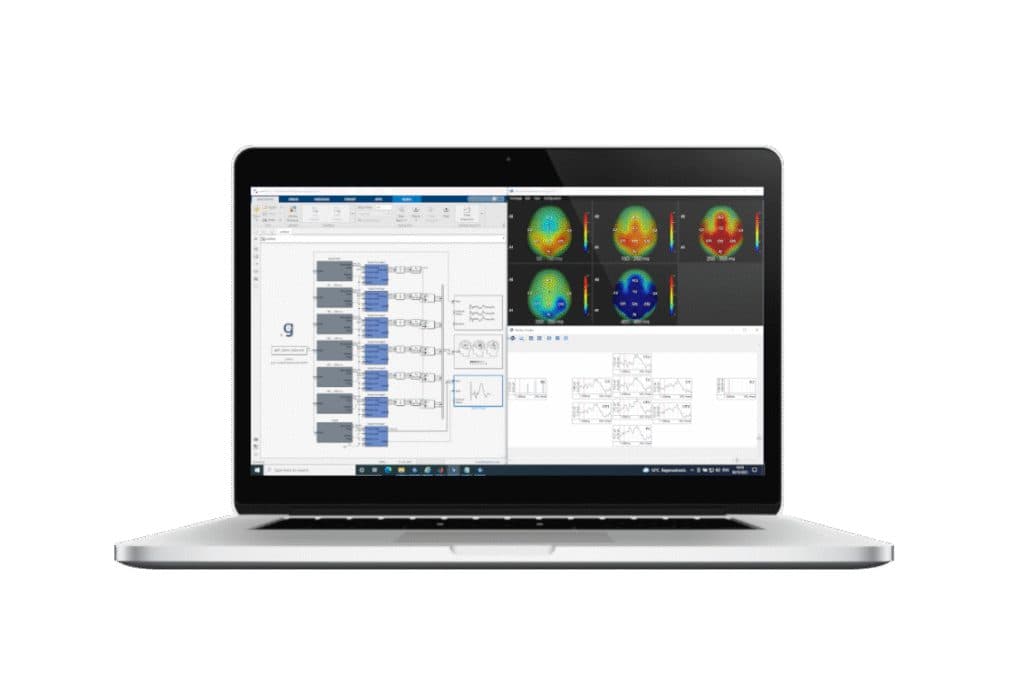
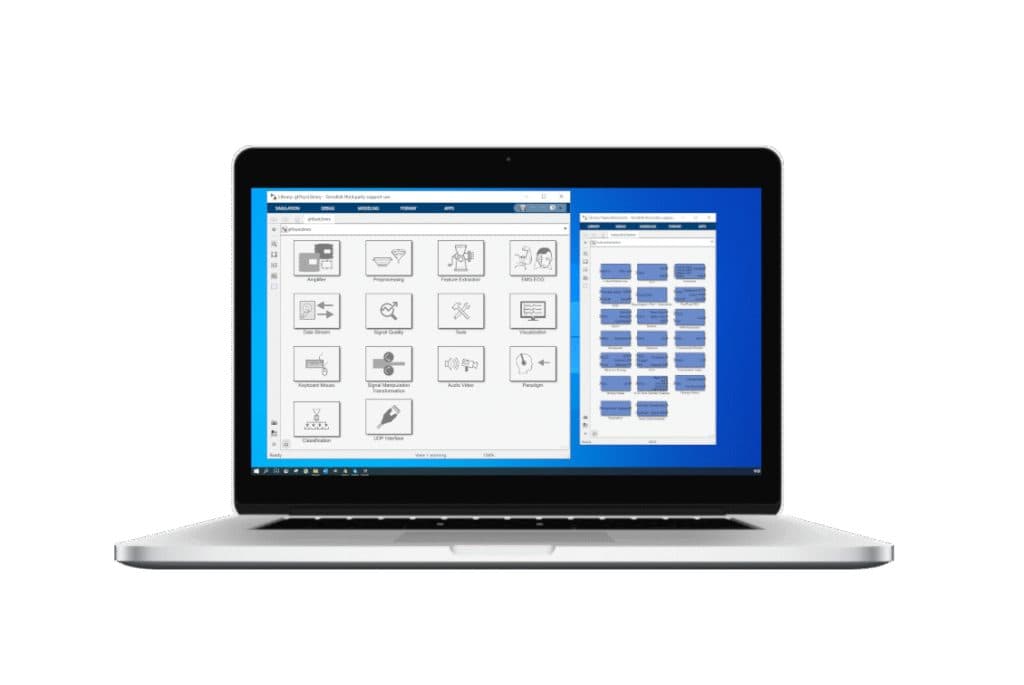
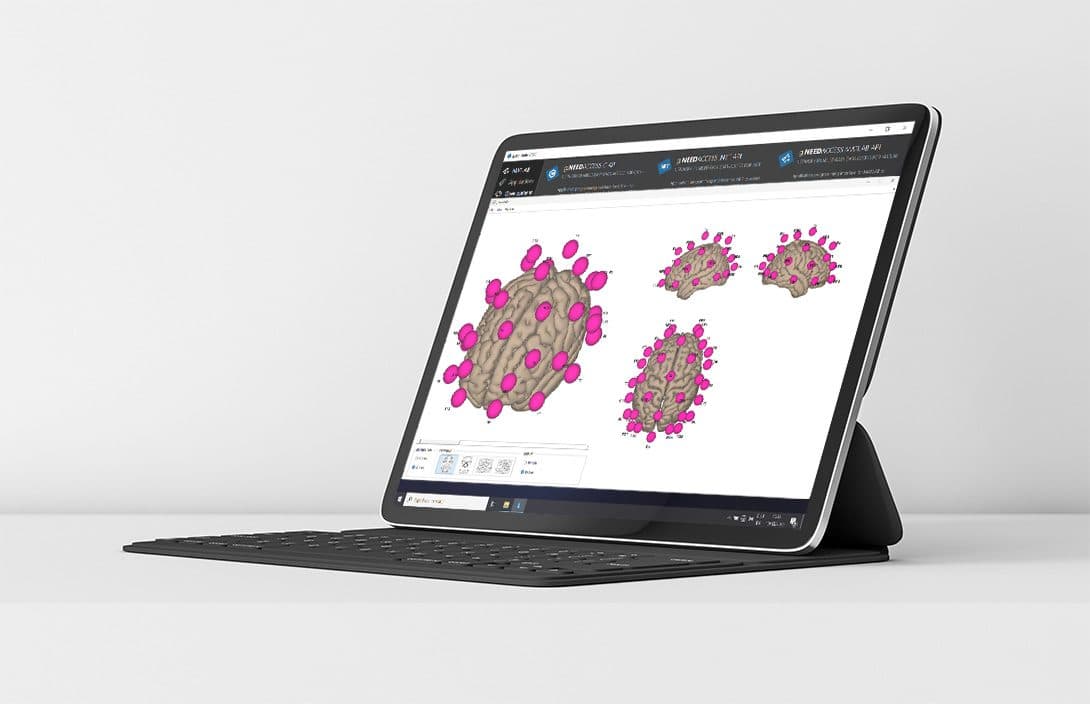
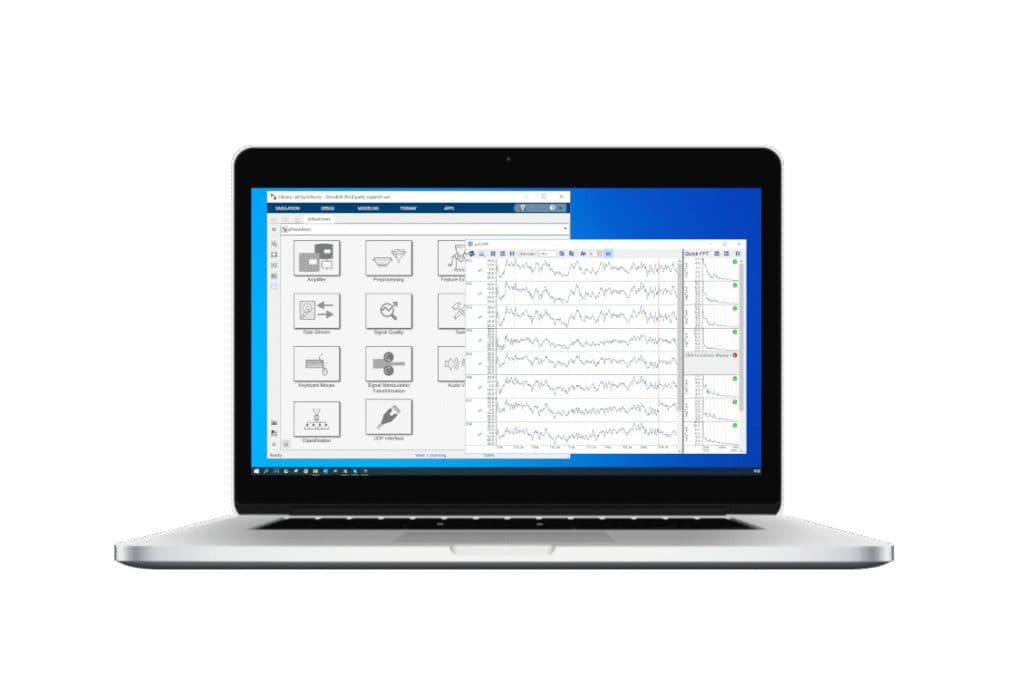
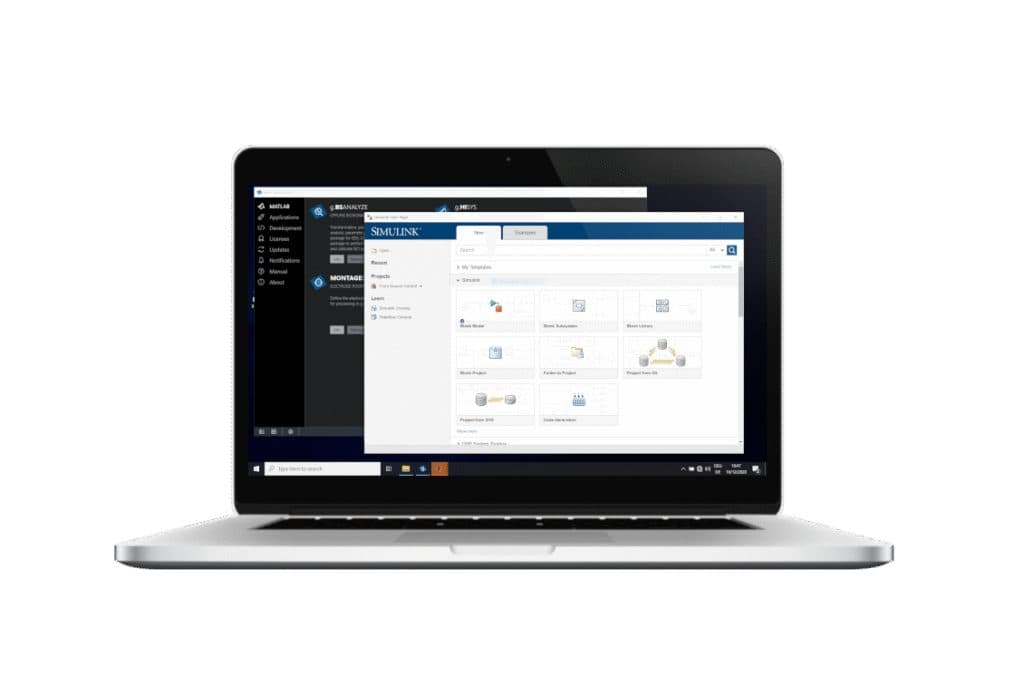
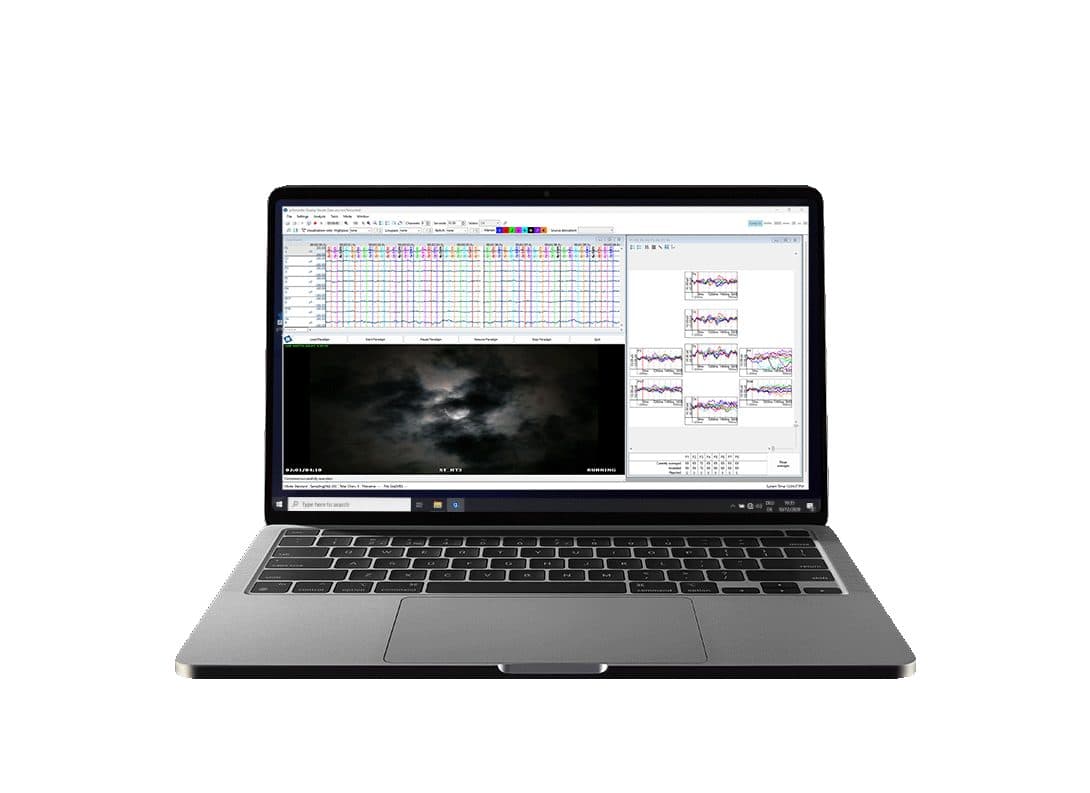
Preprocessing, parameter estimation and classification algorithms are dragged into your Simulink application. The library holds filters (source derivation, notch, cascaded notch, EEG/ECG band filters), input and output (markers, UDP, LSL), experiments (Paradigm Presenter, video, audio and text stimulation, g.STIMbox control), feature extraction (ERD, FFT, power spectrum, spectrogram), signal quality and file blocks that record at up to 38.4 kHz. For visualisation there are Scope, EP Scope, Spectrum and Spectrogram Scopes and 3D scopes that show cortical activation on the head or the cortex.
- Filters
- Feature extraction
- Paradigm Presenter
- 3D scopes
Multimodal recordingEEG with fNIRS, eye tracking and VR
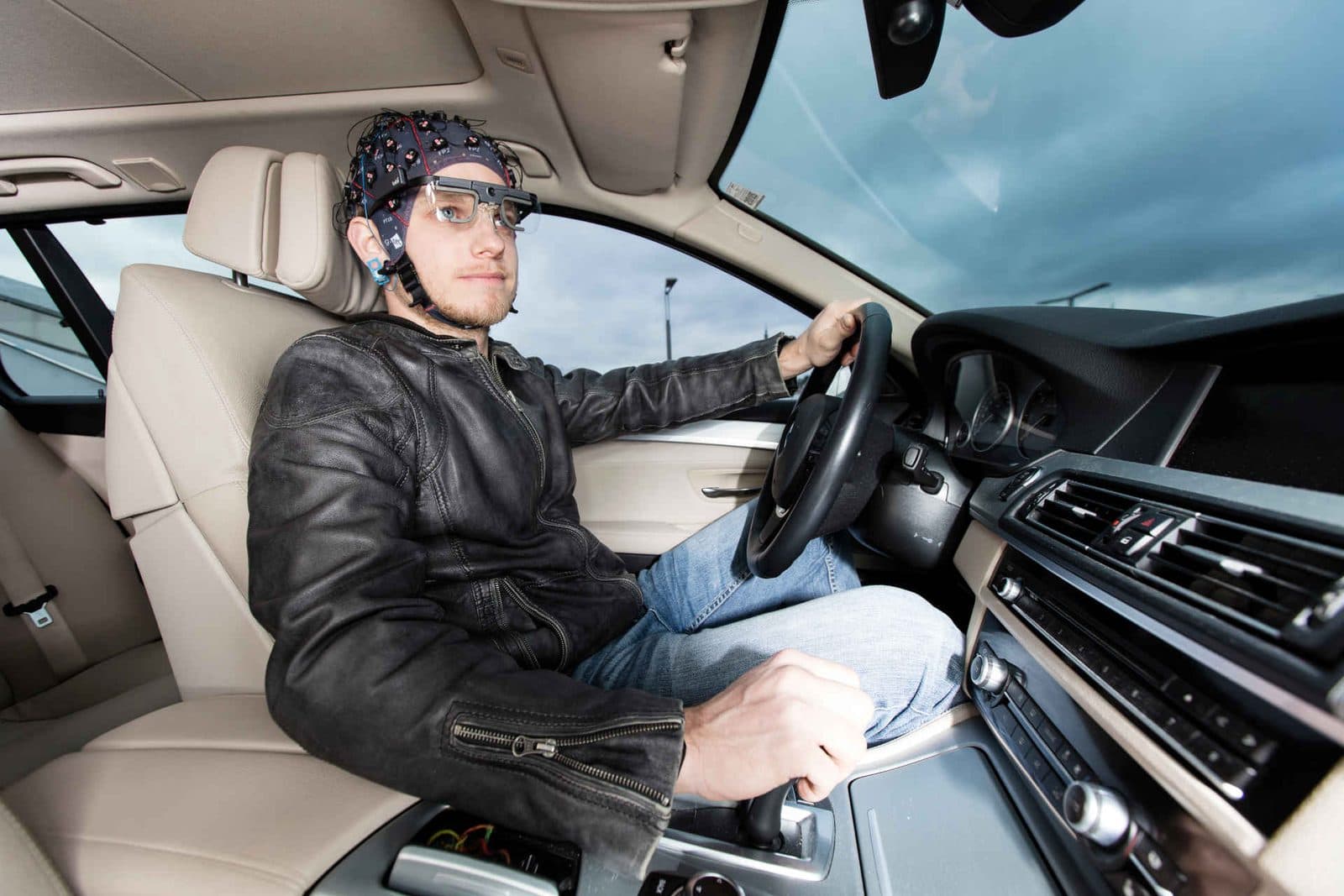
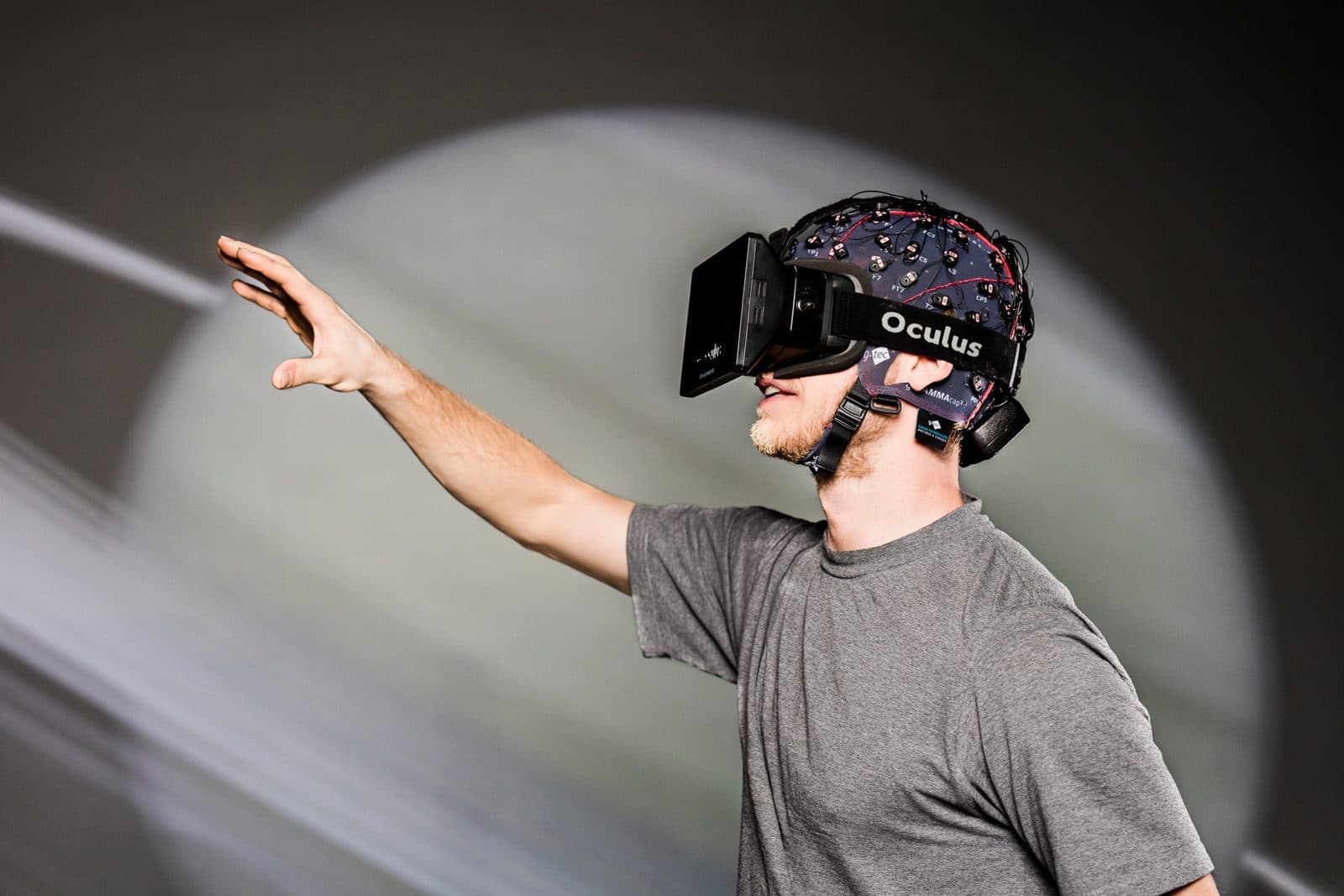
The fNIRS toolbox records and analyses EEG and fNIRS at the same sampling rate; it is made for g.SENSOR fNIRS, and other fNIRS systems connect through LSL. The eye-tracker interface records gaze data and the eye's x and y coordinates together with biosignals. The UDP interface passes data to virtual reality systems or to a Simulink session on another computer.
- EEG + fNIRS
- Eye tracking
- UDP and VR
- LSL
NeuromodulationCCEP, ECS and SEP mapping
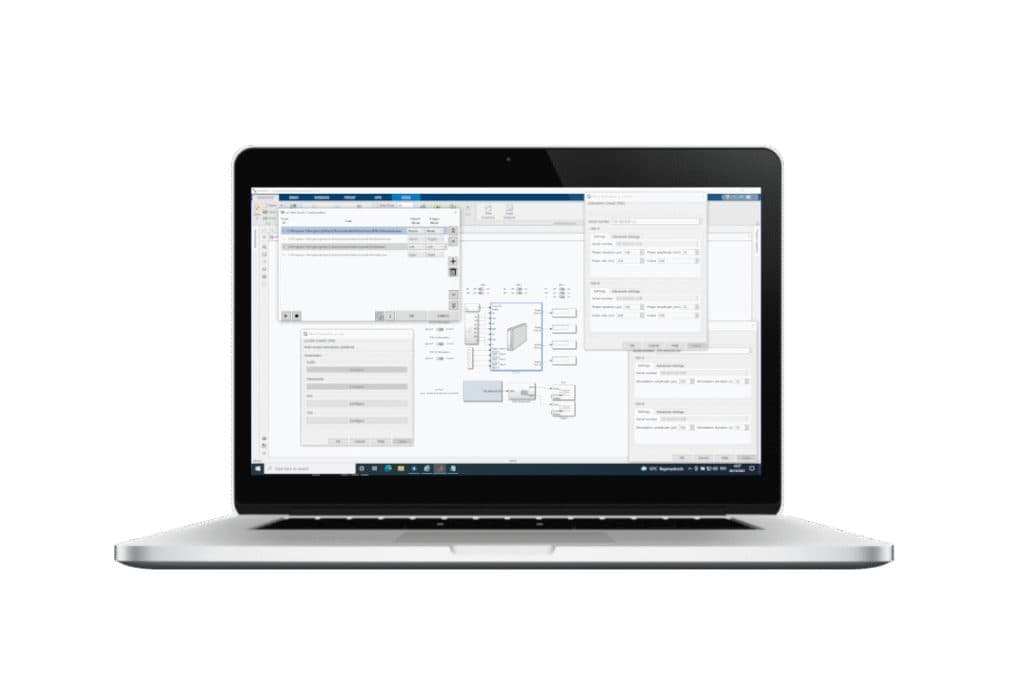
The Neuromodulation Toolbox combines continuous acquisition, stimulation and switching between systems in one structure: advanced applications such as CCEP screening, electrocortical stimulation (ECS) mapping and SEP mapping are easy to set up.
- CCEP screening
- ECS mapping
- SEP mapping
ExampleDriving an excavator at Ars Electronica
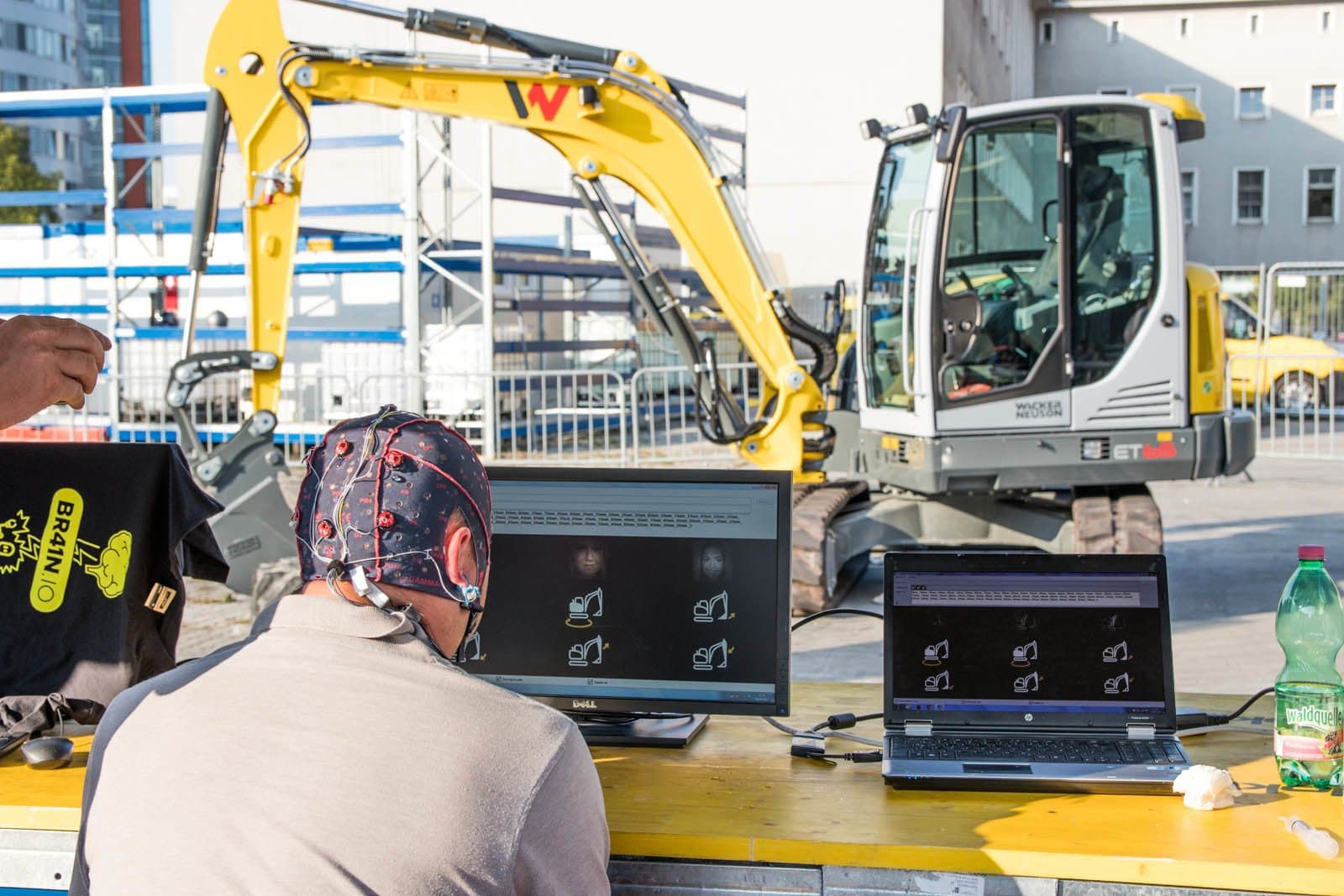
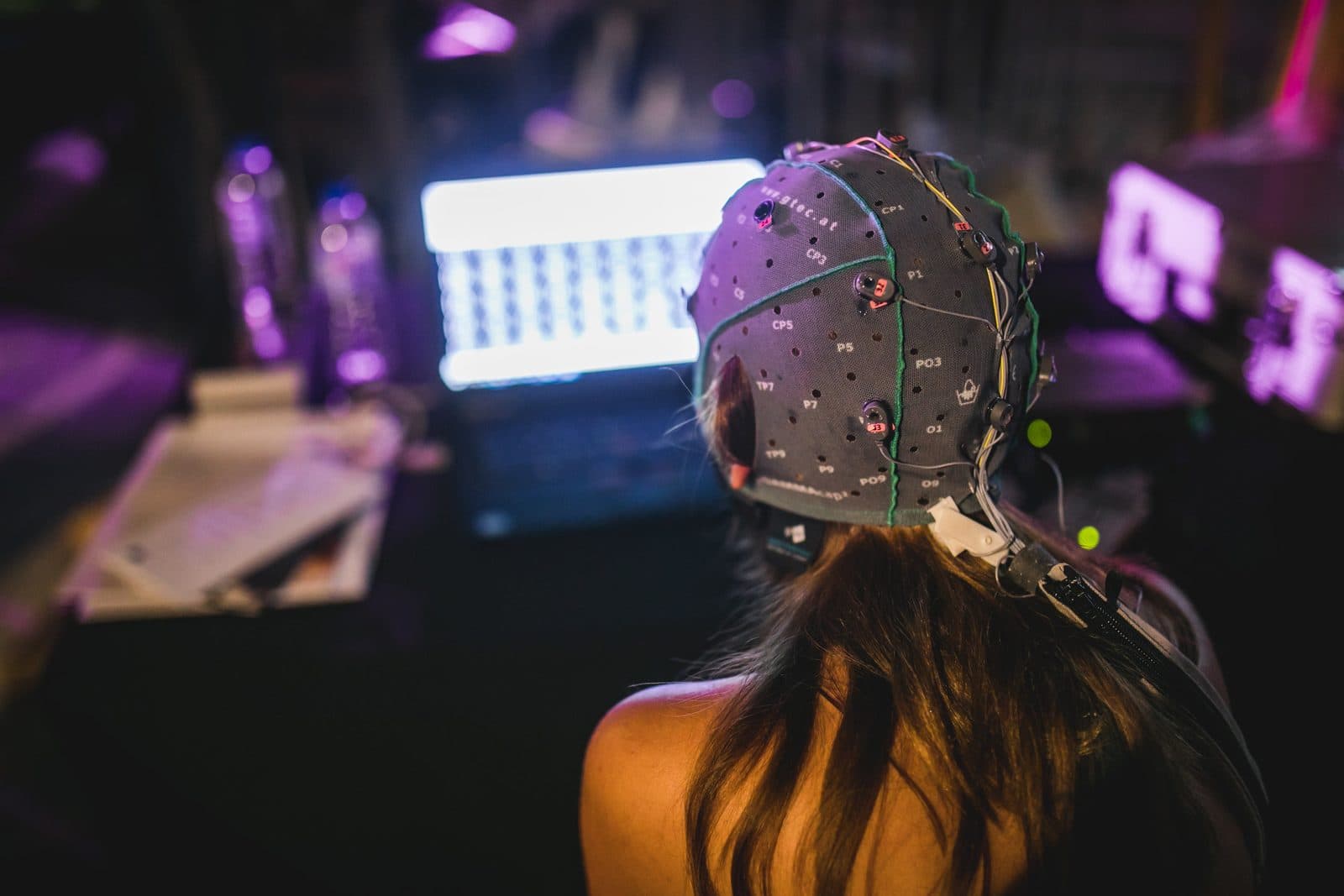
At the Ars Electronica Festival, g.HIsys was used to control an excavator's movements; visitors steered it with their P300 and related signals. The BCI was calibrated with 5 minutes of EEG taken in g.BSanalyze, and g.HIsys decided on the users' intent in real time.
- P300 BCI
- Real-time control