g.tecmedicalengineering · Amplifiers and electrodes
g.SAHARA Hybrid
Active EEG electrodes for dry or gel recording
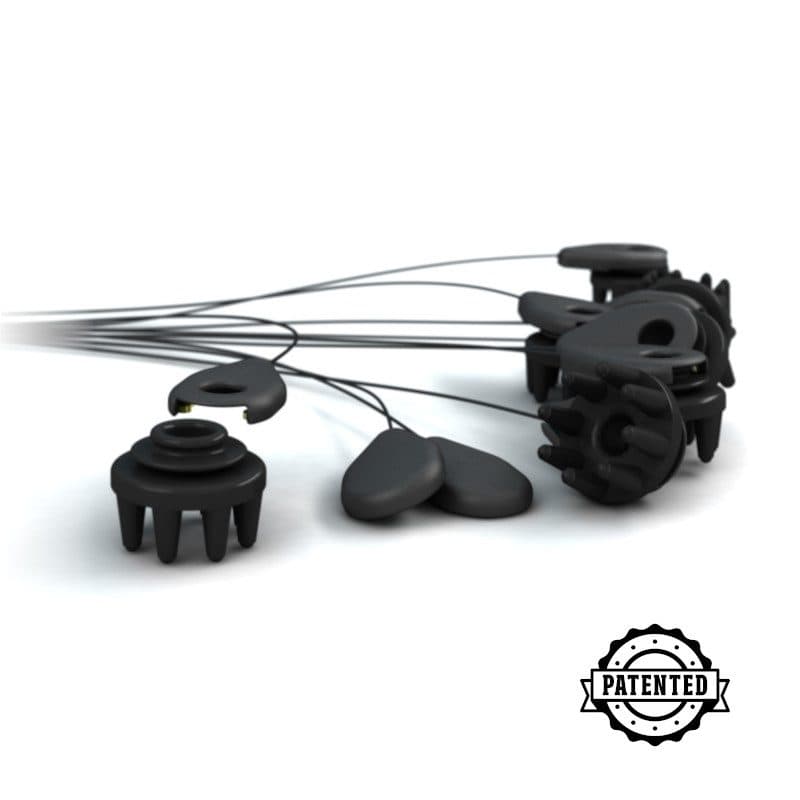
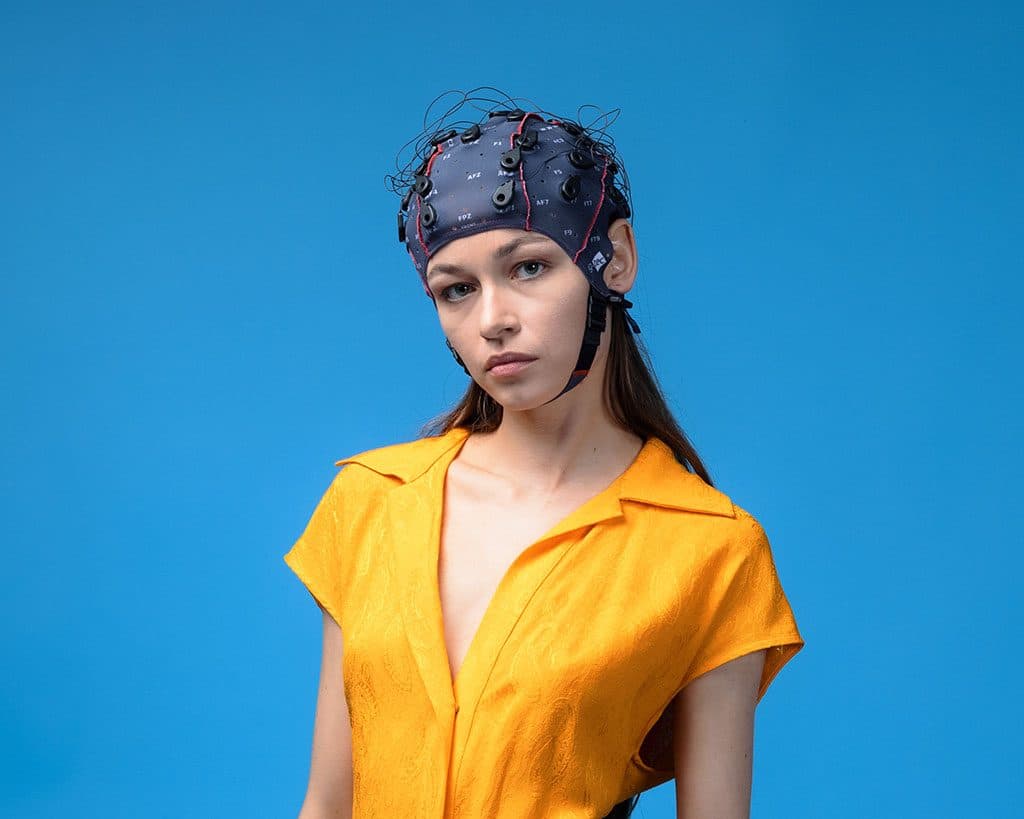
g.SAHARA Hybrid removes the old trade-off between the speed of dry electrodes and the stability of wet ones. g.tec's patented active electrode is used for both dry and gel-assisted recording, so researchers pick the approach that best fits each participant, experiment or application without changing electrodes, caps or software. Every electrode holds an amplifier, and a conductive polymer with 8 pins makes reliable contact through hair. For BCI, cognitive neuroscience, neurorehabilitation, mobile EEG and neurotechnology research.
Choosing EEG electrodes used to mean trading convenience for reliability. Dry electrodes set up quickly without gel or hair washing but can compromise signal stability; conventional wet electrodes record robustly but need long preparation and cleaning afterwards. With the hybrid approach, researchers switch between dry and gel-assisted recording without changing electrodes, caps or software, choosing the method by participant and by what the experiment demands.
Dry: fast, gel-free
Gel: most stable
Same electrode, cap and software
The electrode
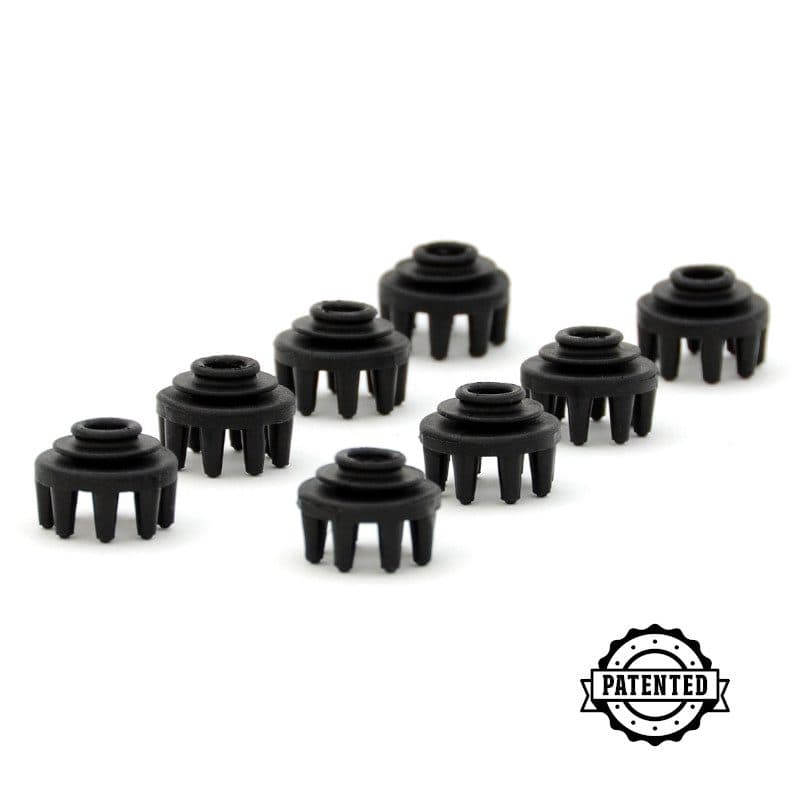
8 pins, conductive polymer, an amplifier inside
Each electrode reaches the scalp through hair with 8 contact pins of conductive polymer, 7 mm long. The amplifier sits inside the electrode clip; because the signal is amplified close to the recording site, it resists cable interference better. When more stability is needed, conductive gel is injected through the opening in the centre of the electrode.
8 pins · 7 mm
Amplifier in the clip
Gel through the centre
Scientific validation
Comparable to gel-based EEG
Peer-reviewed research shows that g.SAHARA achieves classification accuracy and frequency spectra comparable to conventional gel-based recordings across major BCI paradigms. The study comparing dry and gel electrodes for P300 BCIs was published in Frontiers in Neuroscience (Guger et al., 2012).
One electrode in stationary, portable and wireless set-ups
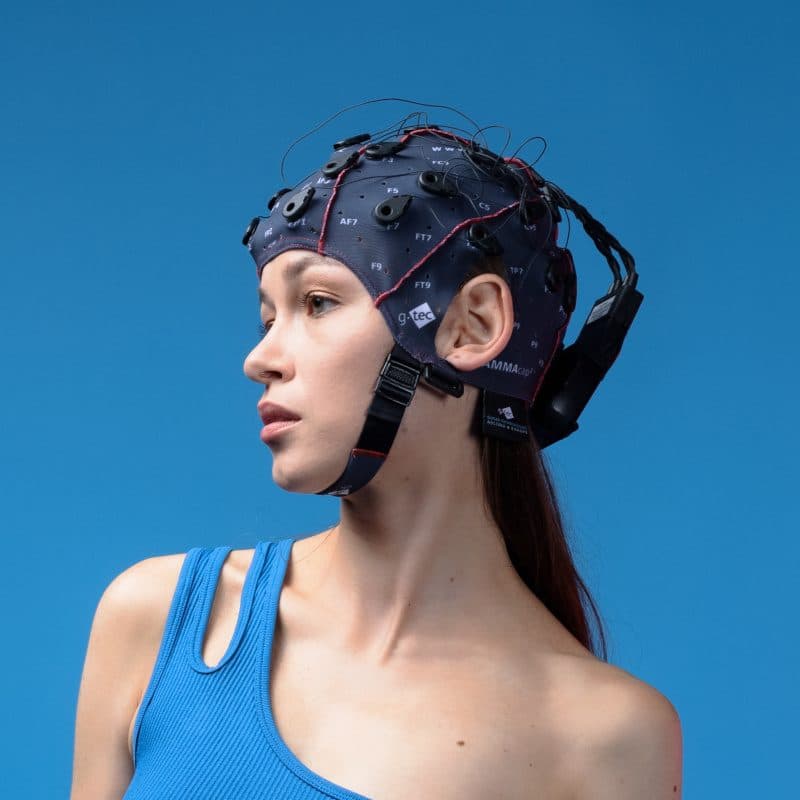
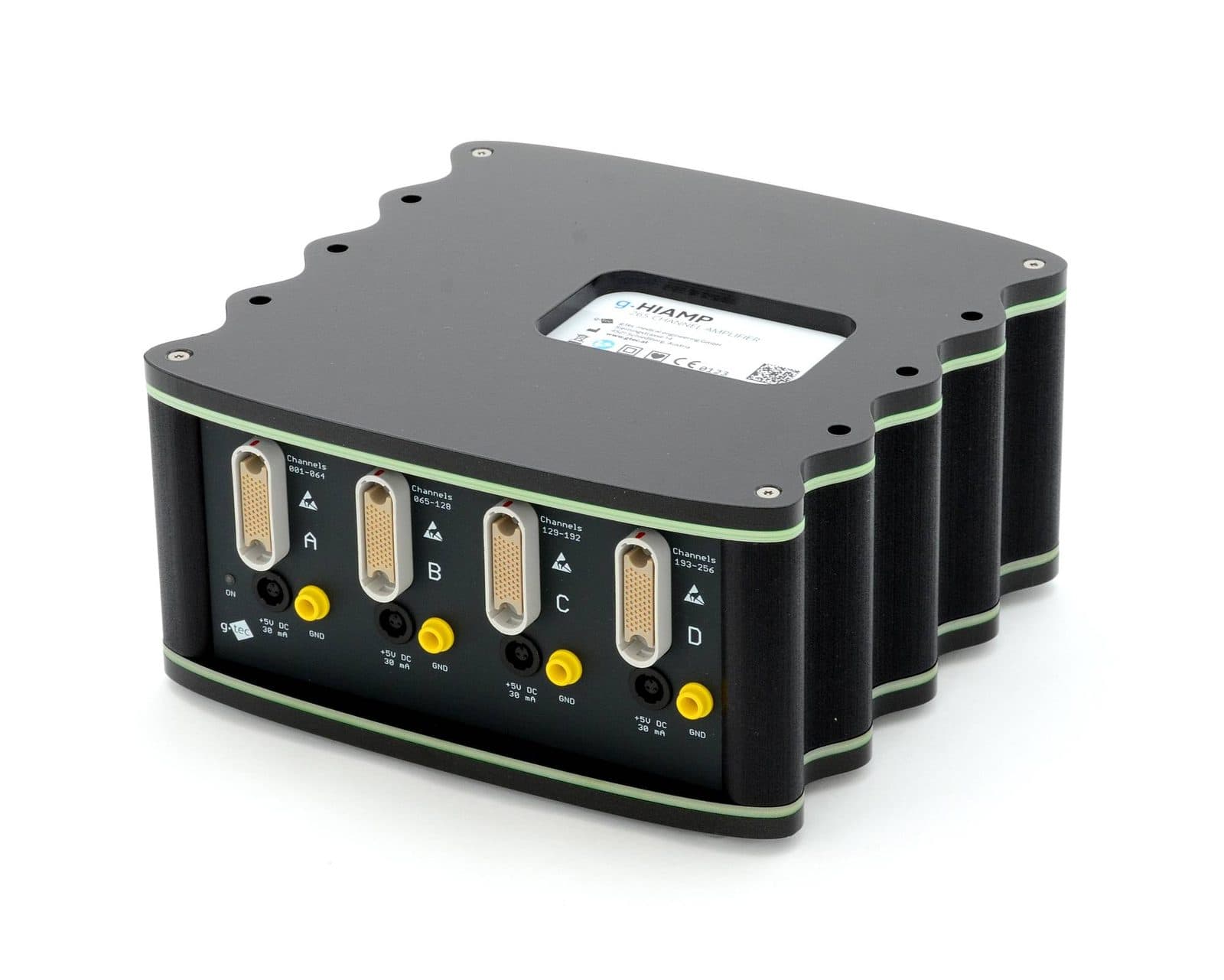
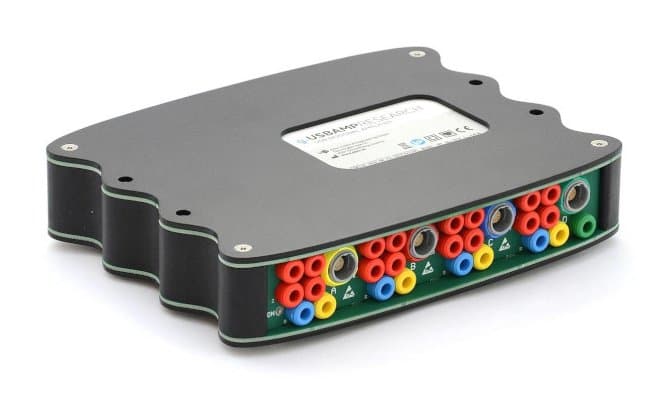
g.SAHARA Hybrid works with g.HIamp for high-density, high-performance acquisition, g.USBamp for compact modular recording, and supported g.Nautilus configurations (Pro Flexible, Research, Multi-purpose). A laboratory can use the same electrode technology across stationary, portable and wireless set-ups. The electrodes are used with g.Recorder and g.BSanalyze and with Python, MATLAB, Simulink, LSL, C#, C++ and Unity, so EEG is acquired, analysed and brought into real-time workflows without changing platform.
g.HIamp
g.USBamp
g.Nautilus
g.Recorder · g.BSanalyze
Applications
01
Brain-computer interfaces
P300, motor imagery, SSVEP and c-VEP. A study comparing dry and gel electrodes for P300 BCIs found classification accuracy and frequency spectra comparable to gel-based recordings.
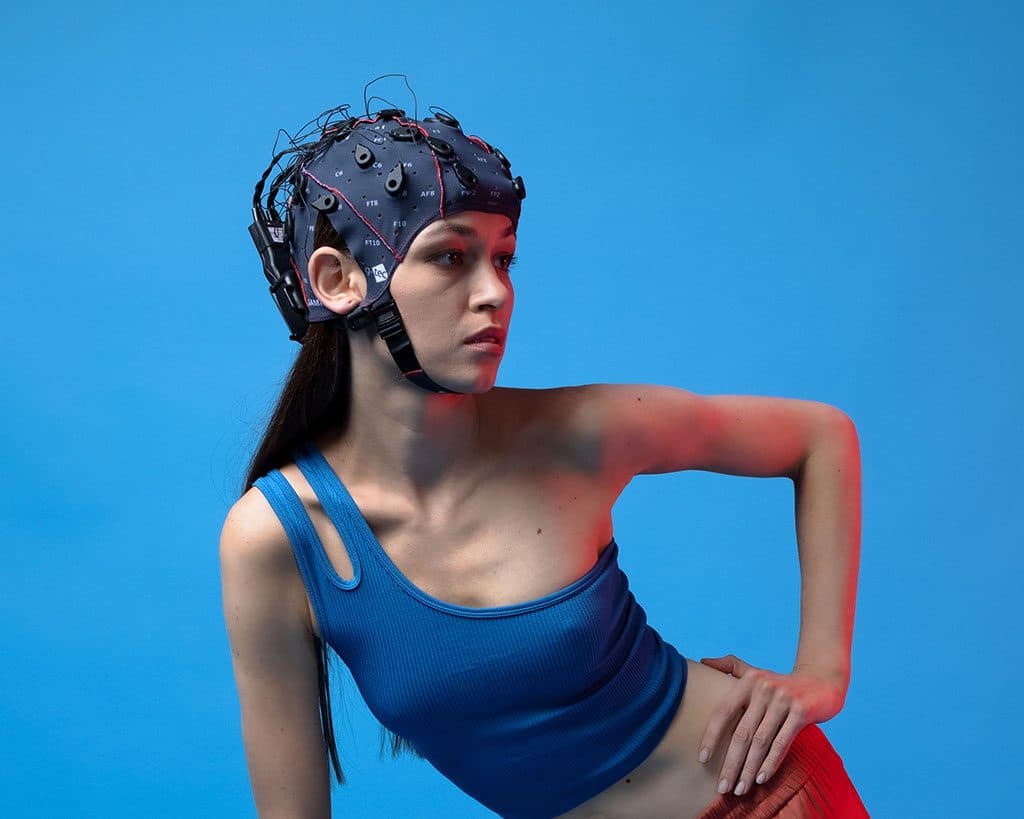
Recordings set up quickly outside the lab, in studies with movement.
05
Human-computer interaction
Research on interaction through brain signals.
06
Education
Demonstrations and teaching labs with a quick set-up.
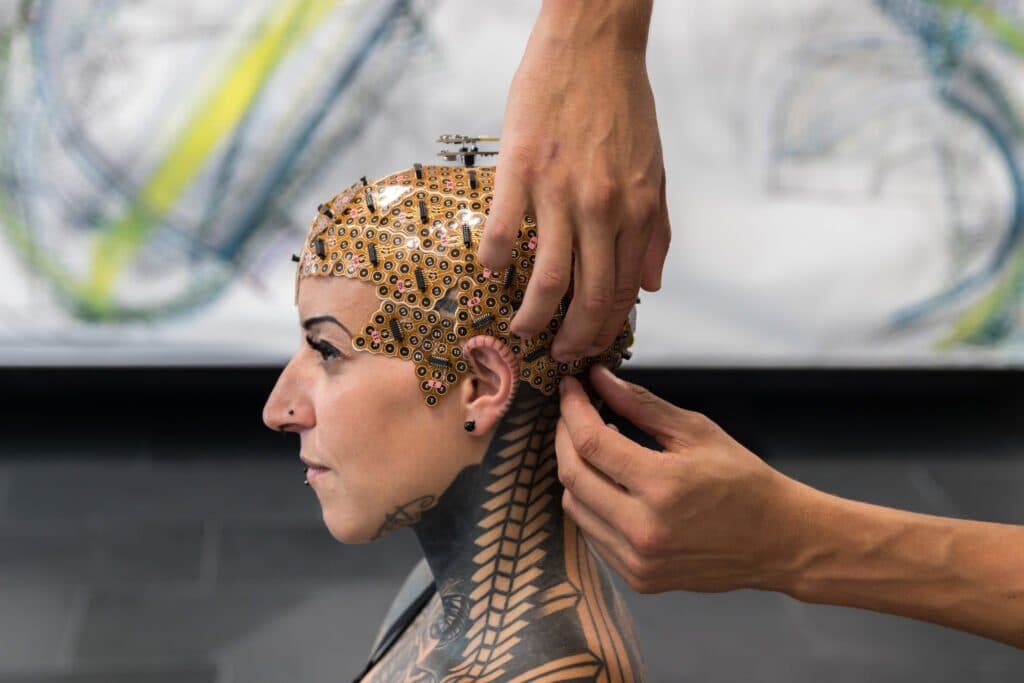
Up close
Frequently asked questions
Can g.SAHARA Hybrid record EEG without gel?
Yes. The conductive pins make contact with the scalp through hair while the active electronics inside the electrode amplify the signal close to the recording site. Dry recording cuts preparation time markedly and removes the need to wash hair afterwards, which suits fast BCI experiments, demonstrations, teaching and repeated measurements. Signal quality depends on correct cap placement, enough electrode-scalp contact, hair characteristics, movement and environmental interference, so impedance and contact quality should be checked before an experiment. Gel can be added when more stability is needed.
Can I switch between dry and gel recording?
Yes. You can start an experiment completely dry and add conductive gel through the electrode's central opening when a lower electrode-skin impedance or more stability is needed. Electrodes, cap, amplifier and software stay the same. Gel can also go on selected recording sites rather than the whole montage. This suits laboratories that want fast preparation for some studies and stable gel-assisted recordings for longer, movement-heavy or technically demanding ones.
Which biosignal amplifiers does it work with?
g.SAHARA Hybrid works within g.tec's EEG acquisition ecosystem: g.HIamp for high-density, high-performance acquisition, g.USBamp for compact modular recording, and supported g.Nautilus configurations. Compatible active electrode interfaces connect the electrodes to g.HIamp or g.USBamp, while supported g.Nautilus systems bring them into wearable and wireless set-ups, so a laboratory can use the same electrode technology across stationary, portable and wireless research.
Can it be used with g.Nautilus?
Yes. Supported g.Nautilus Pro Flexible, g.Nautilus Research and g.Nautilus Multi-purpose configurations can be equipped with g.SAHARA Hybrid electrodes. This combines dry or gel-assisted contact with wireless EEG acquisition, suiting mobile neuroscience, real-world experiments, neurorehabilitation and studies in which participants move. The channel count, cap configuration and electrode strand must be specified when ordering.
Is it suitable for P300 brain-computer interfaces?
Yes. g.SAHARA Hybrid records the event-related potentials P300 BCIs need. The P300 is a time-locked positive potential that typically appears about 300 milliseconds after a relevant or attended stimulus. Reliable acquisition needs stable electrode contact, accurate event markers, appropriate filtering and synchronised stimulus presentation. Research shows that under suitable conditions dry electrodes can capture the relevant P300 activity and give comparable BCI classification performance. Electrodes usually sit over central and parietal areas, though the exact montage depends on the paradigm and the analysis. Gel-assisted operation can be used when particularly stable ERP recordings are needed.
Can it be used for SSVEP and c-VEP experiments?
Yes. g.SAHARA Hybrid suits steady-state and code-modulated visual evoked potential BCIs, which detect frequency- or code-specific neural responses to an attended visual stimulus. These signals are usually strongest over occipital and parieto-occipital regions, so correct placement and stable contact there matter most. Dry recording is often enough for short, controlled experiments; gel can be added when movement, hair, poor contact or a low signal-to-noise ratio affects the recording. Studies indicate that under appropriate conditions dry electrodes can capture the relevant frequency ranges and perform comparably to gel-based EEG.
Is it suitable for long EEG recordings?
Yes, though the right mode depends on the study. Dry electrodes are useful when fast preparation, repeated measurements and participant comfort come first. In long sessions, cap pressure and electrode contact have to be kept stable, since movement, perspiration, posture changes and the cap slowly shifting can affect dry recordings. For demanding long experiments, gel can be added to lower electrode-skin impedance and stabilise contact. The active electrode amplifies EEG close to the scalp, which reduces susceptibility to cable interference. Participant comfort should be checked in long sessions, as cap size, electrode positions, hair and the pressure at recording sites affect both comfort and signal quality.
Can EEG and fNIRS be combined?
Yes. g.SAHARA Hybrid can be built into combined EEG-fNIRS set-ups with a compatible g.GAMMAcap and supported fNIRS hardware. The cap gives defined positions for EEG electrodes and for optical sources and detectors, keeping sensor placement reproducible over regions such as the frontal or sensorimotor cortex. EEG measures electrical neural activity at high temporal resolution; fNIRS measures the changes in oxygenated and deoxygenated haemoglobin that follow cortical haemodynamics, so together they describe both fast electrophysiological activity and slower haemodynamic responses. The acquisition systems must be synchronised so that EEG, fNIRS, stimuli and event markers share one timing. Possible set-ups include g.tec EEG amplifiers with g.SENSOR fNIRS or supported NIRx solutions.
Talk to our team about device selection, protocol design, installation and software integration. We will work out the technical configuration that best fits your research or clinical goal.