Skip to content
Gowerlabs · fNIRS / HD-DOT systems

LUMO

Wearable high-density fNIRS / HD-DOT system

Lightweight, wearable, high-density functional near-infrared brain imaging that combines high imaging capability with experimental flexibility. Its modular design scales as your research grows: bulky fibre and cable bundles disappear, set-up time drops, data quality rises.

  • Fibreless · wearable
  • Resolution comparable to fMRI
  • Whole-head coverage
  • Infants and adults
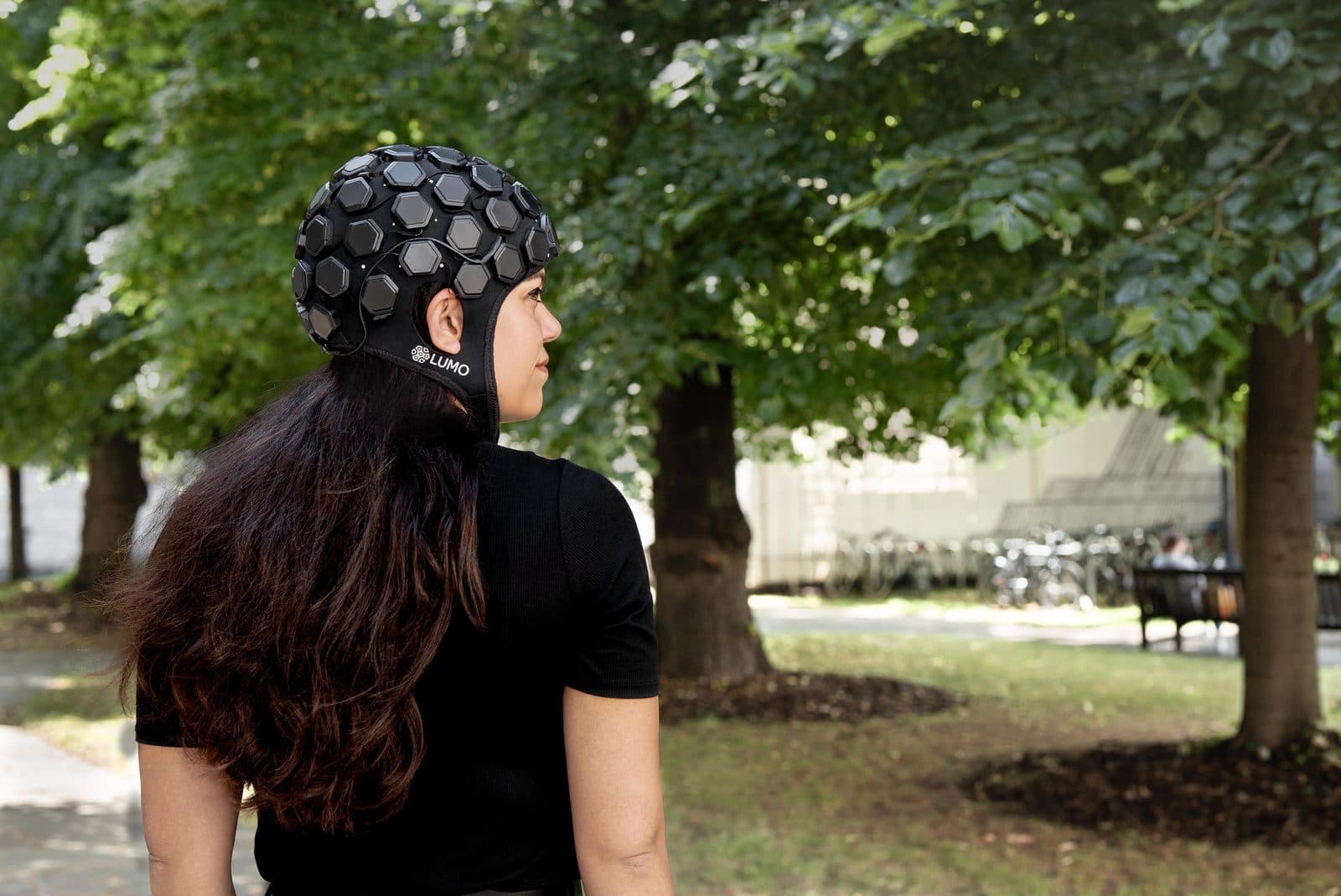
A researcher wearing a whole-head LUMO cap in a garden

Highlights

  • Spatial resolution comparable to fMRI thanks to thousands of overlapping, multi-distance channels
  • Accurate removal of physiological noise with a dense short-separation channel network across the field of view
  • Cortical coverage from a single region to the whole head; subjects of every age
  • Significantly lower cost per channel than low-density systems
  • Far fewer motion artefacts thanks to the fibreless, low-profile headgear
  • 100 Hz motion tracking with a 6-axis IMU in every tile
  • Real-time streaming of fNIRS and auxiliary data over Lab Streaming Layer
  • Light-piping prevention: optical crosstalk at the surface is blocked, so every detected signal reflects real cortical activity
  • Custom optical filters that reject ambient light and minimise detector saturation
  • Cortical co-registration with 3D positioning systems

Technical specifications

Technology
Continuous-wave (CW) fNIRS / HD-DOT
Dynamic range
120 dB; 10–70 mm source-detector separations
Sources
Up to 162; 3 dual-wavelength LEDs per tile
Detectors
216; 4 silicon PIN photodiodes per tile
Channels
More than 7,000 in typical set-ups
Imaging rate
Up to 12.5 frames per second
Headgear weight
From an 80 g headband to an 810 g adult whole-head cap
Tile weight
Under 6 g
Channel spacing
10 and 20 mm within a tile, up to 70 mm between tiles
Docks
3 to 54 per cap; arrays can be partly or fully populated
Headgear
Neoprene LUMO caps, headbands with 3 or 6 docks, neonatal caps for head circumferences under 40 cm
Light guides
Fixed (flat, 6 mm) and spring-loaded (short, medium, long); interchangeable between caps
Motion tracking
6-axis IMU, 100 Hz
Power consumption
Under 12 W for an adult whole-head cap
Connection
Lightweight 2 m cable
Data streaming
Lab Streaming Layer
Transport
Custom flight case
What is LUMO

Redefining what is possible in functional neuroimaging

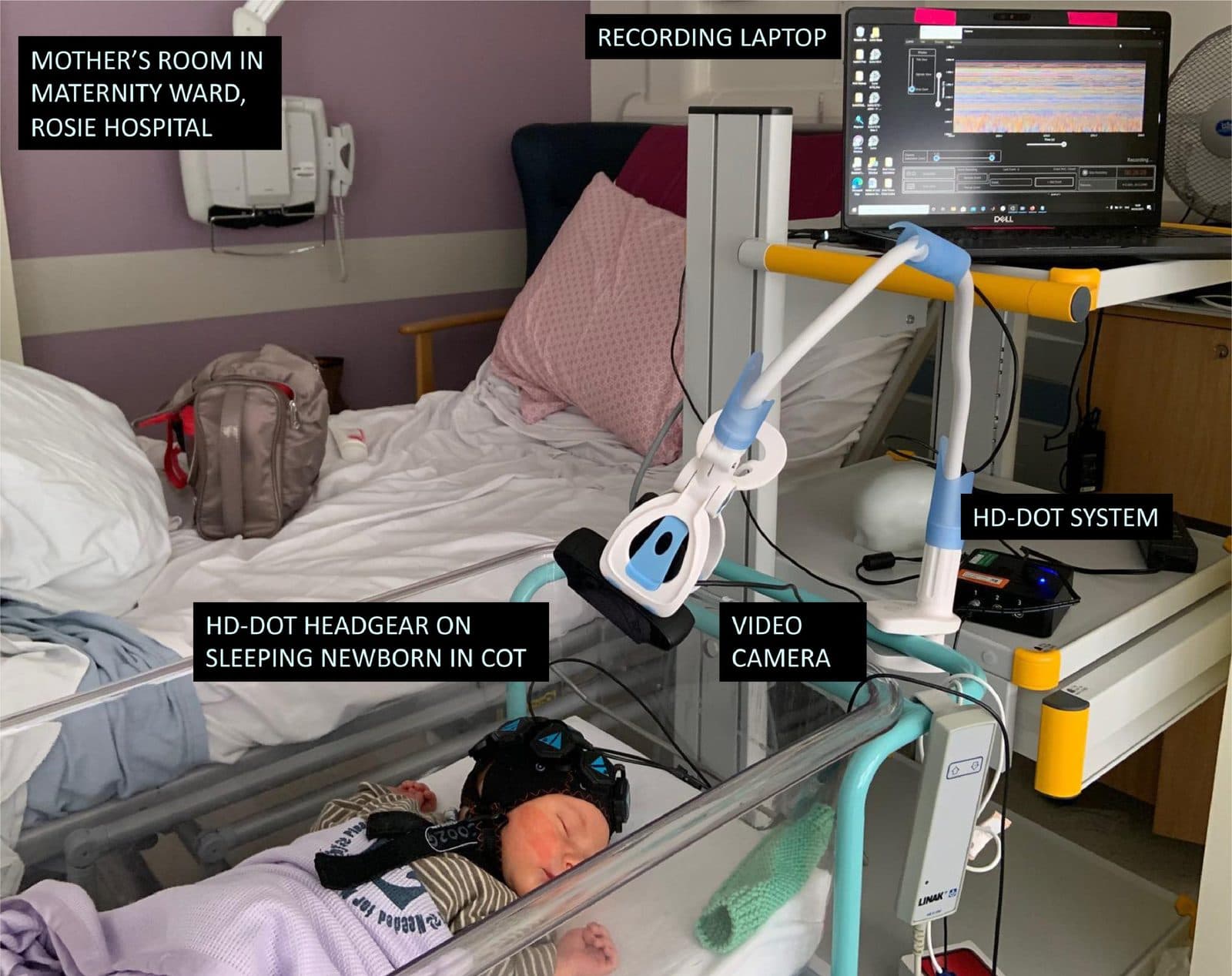
LUMO combines the multi-distance sampling of diffuse optical tomography (DOT) with a high-density, fibreless and wearable design; it is the world's lightest and fastest whole-head HD-DOT system. Whether you measure adults in the lab or run infant studies in naturalistic settings, LUMO's modular design scales easily as your research needs grow. Bulky fibre and cable bundles disappear, set-up times fall and data quality rises.

  • Multi-distance sampling
  • Fibreless and wearable
  • Modular and scalable
The science behind it

From fNIRS to HD-DOT

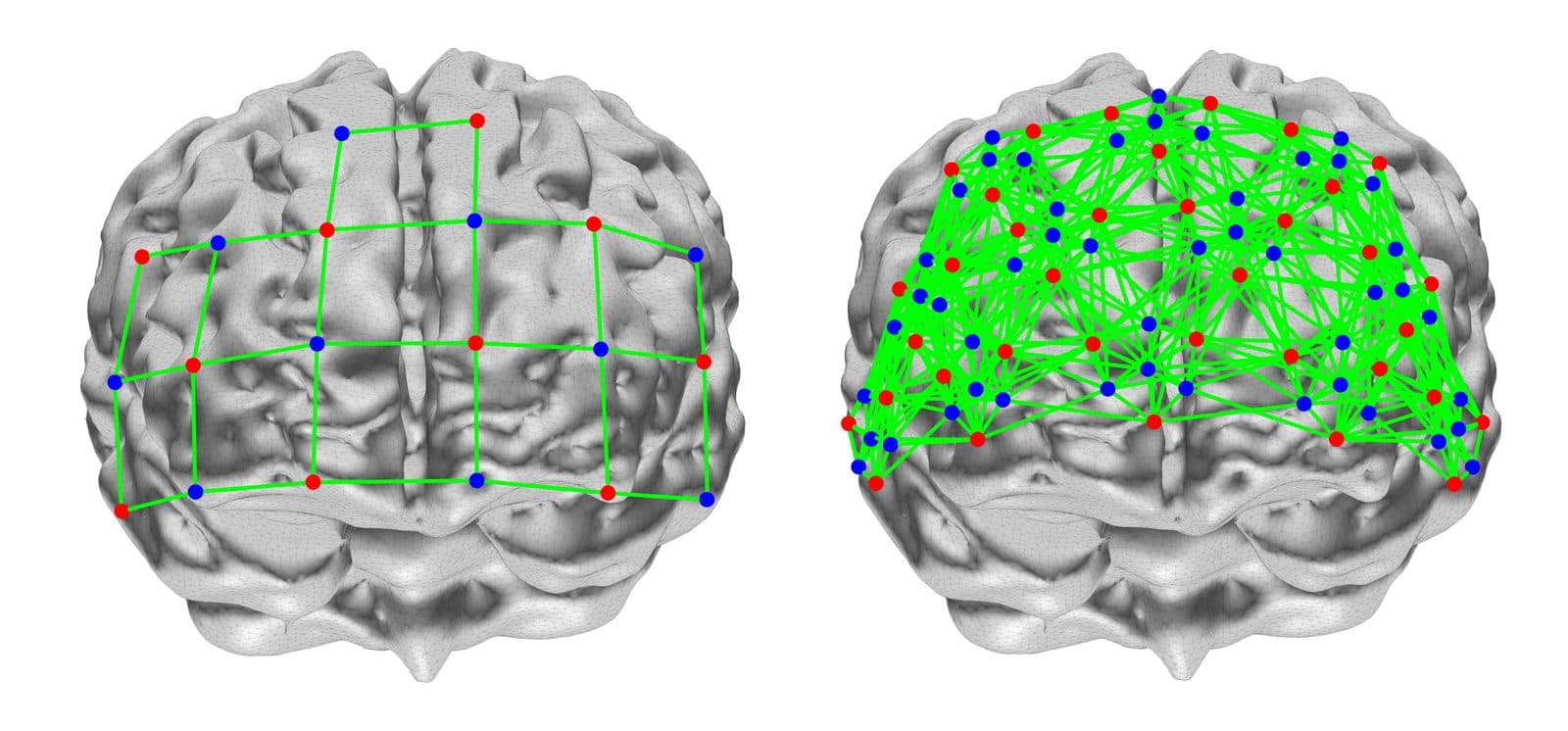
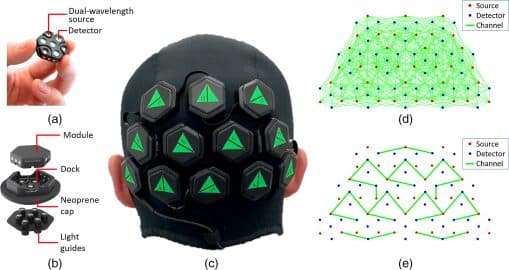
The channels of a low-density fNIRS array against a high-density LUMO array

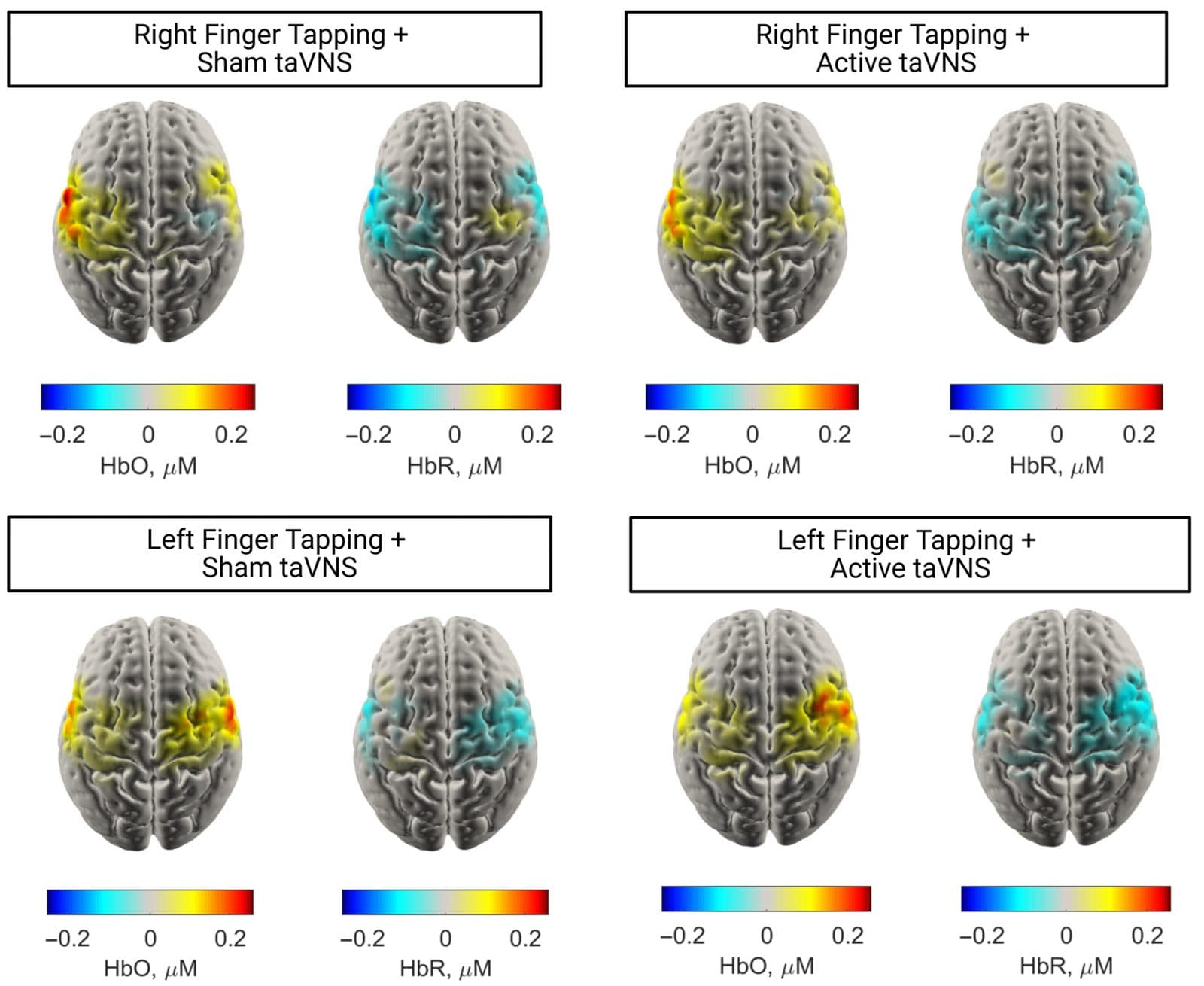
When neurons become active, local blood vessels dilate and blood flow to the tissue rises; this is neurovascular coupling. Sending near-infrared light at two wavelengths into the scalp and measuring the light scattered back to the surface separates the changes in oxygenated and deoxygenated haemoglobin in the cortex: fNIRS. A source-detector pair (a channel) is sensitive to a depth of about a third of the distance between them. Low-density fNIRS systems are limited to 10 to 60 non-overlapping channels at a fixed distance (typically 30 mm in adults). A standard LUMO12 prefrontal array gives more than 1,200 channels at overlapping distances from 10 to 70 mm; a whole-head LUMO54 system reaches about 7,000. With a forward light-propagation model and an inverse reconstruction algorithm, this dense network goes beyond channel-by-channel analysis to three-dimensional images of cortical activation.

  • Neurovascular coupling
  • Overlapping multi-distance channels
  • 3D tomographic reconstruction
How it works

Tiles, docks, light guides, headgear

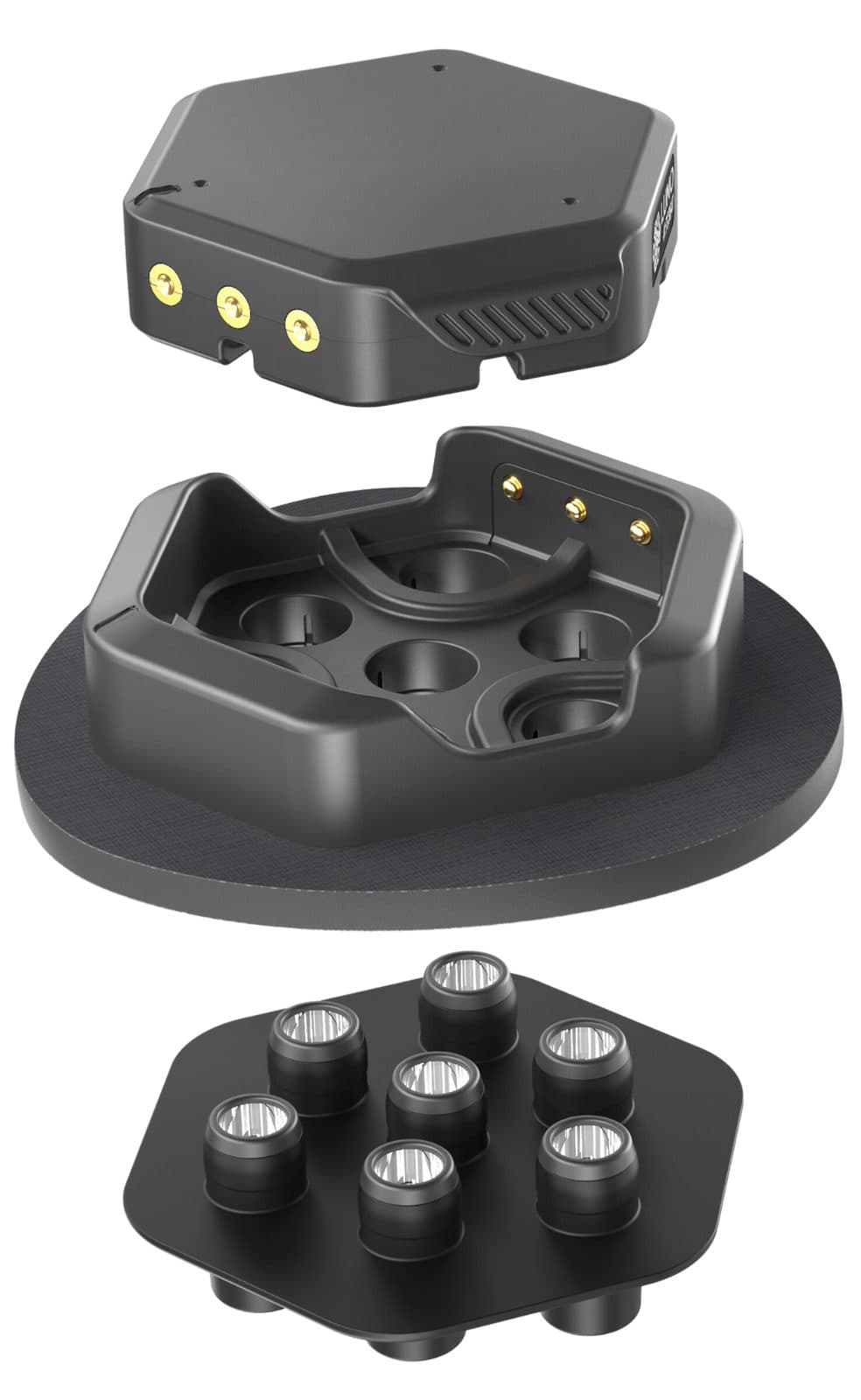
A LUMO tile, its dock and light guide, taken apart

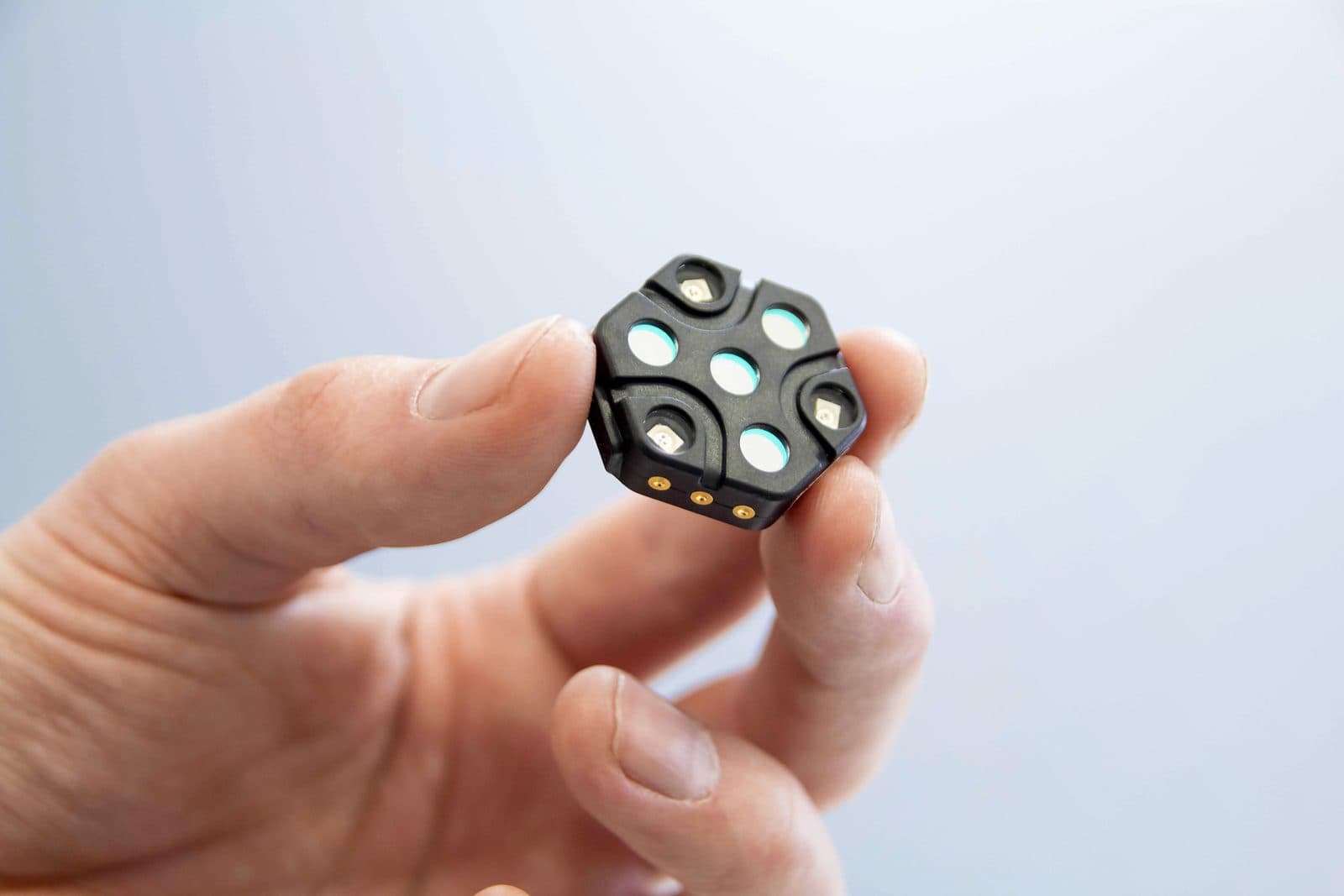
At the heart of LUMO are independent hexagonal sensor tiles, each with 3 dual-wavelength sources and 4 detectors. Docks fasten to the headgear in the configuration you choose and link with low-profile cabling; light guides comb through hair to reach the scalp; caps and headbands for every age carry 3 to 54 docks.

  • Tiles
  • Docks
  • Light guides
  • Headgear
Headgear options

Caps made to order

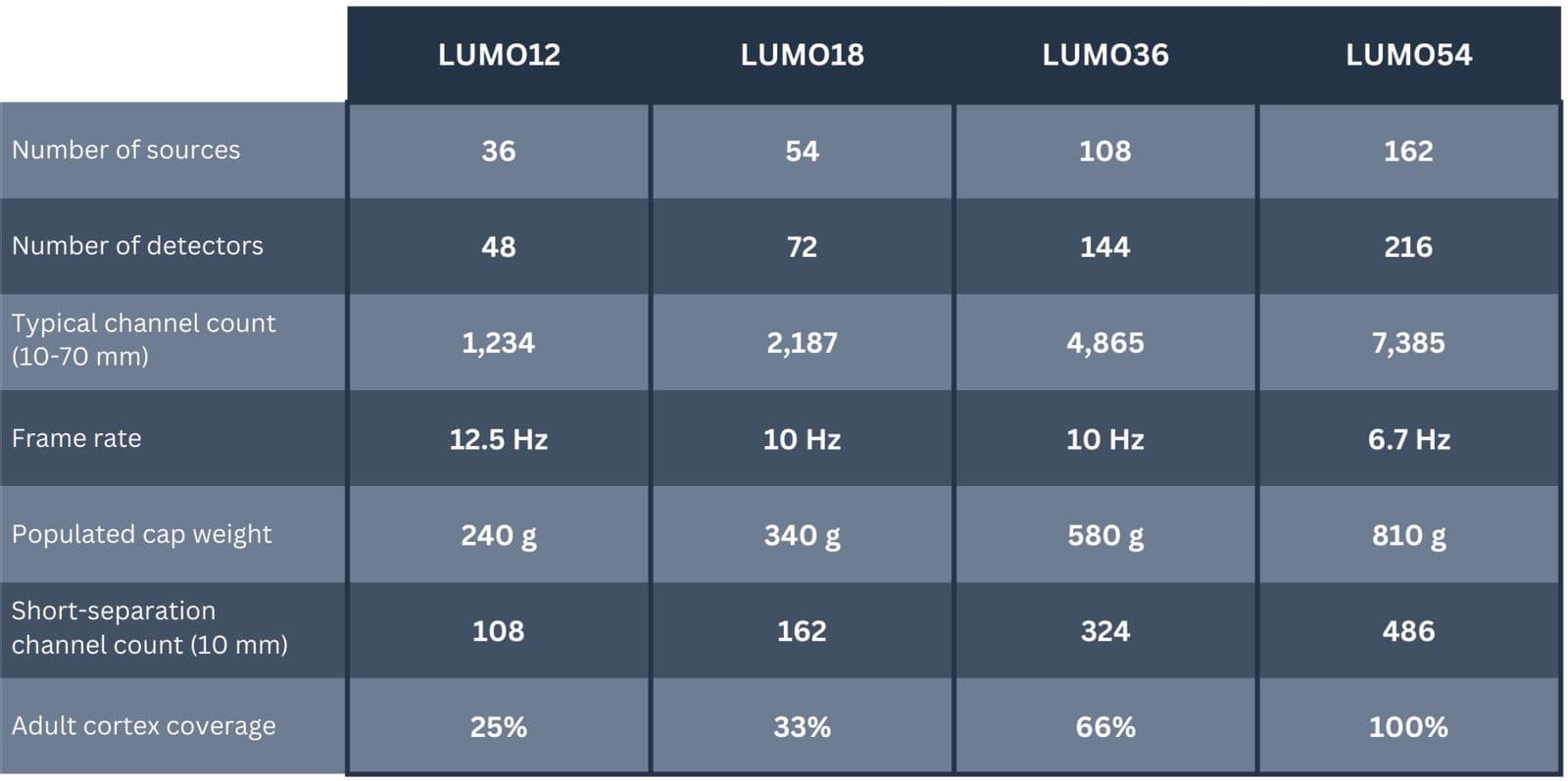
A table comparing the LUMO12, LUMO18, LUMO36 and LUMO54 configurations

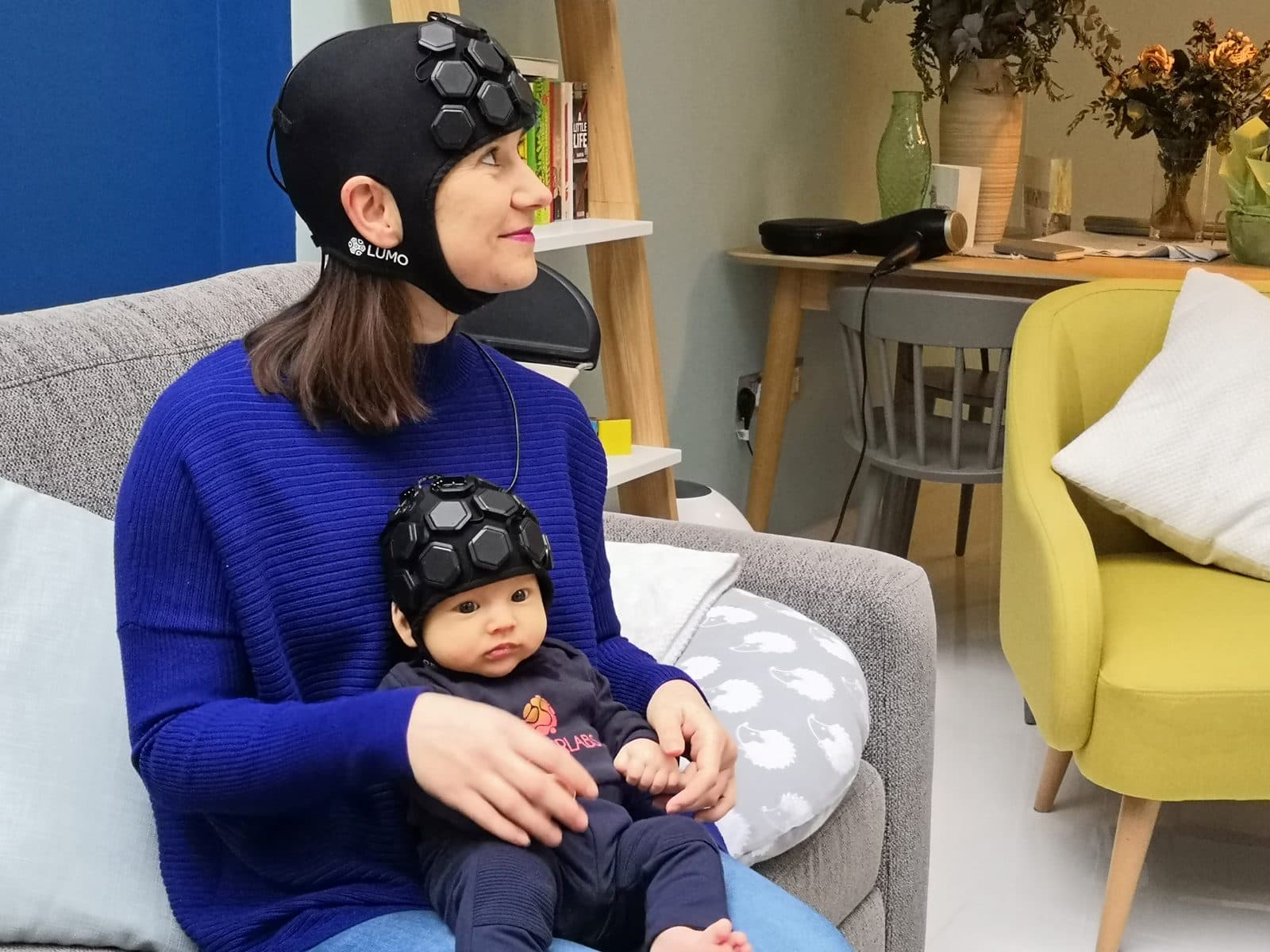
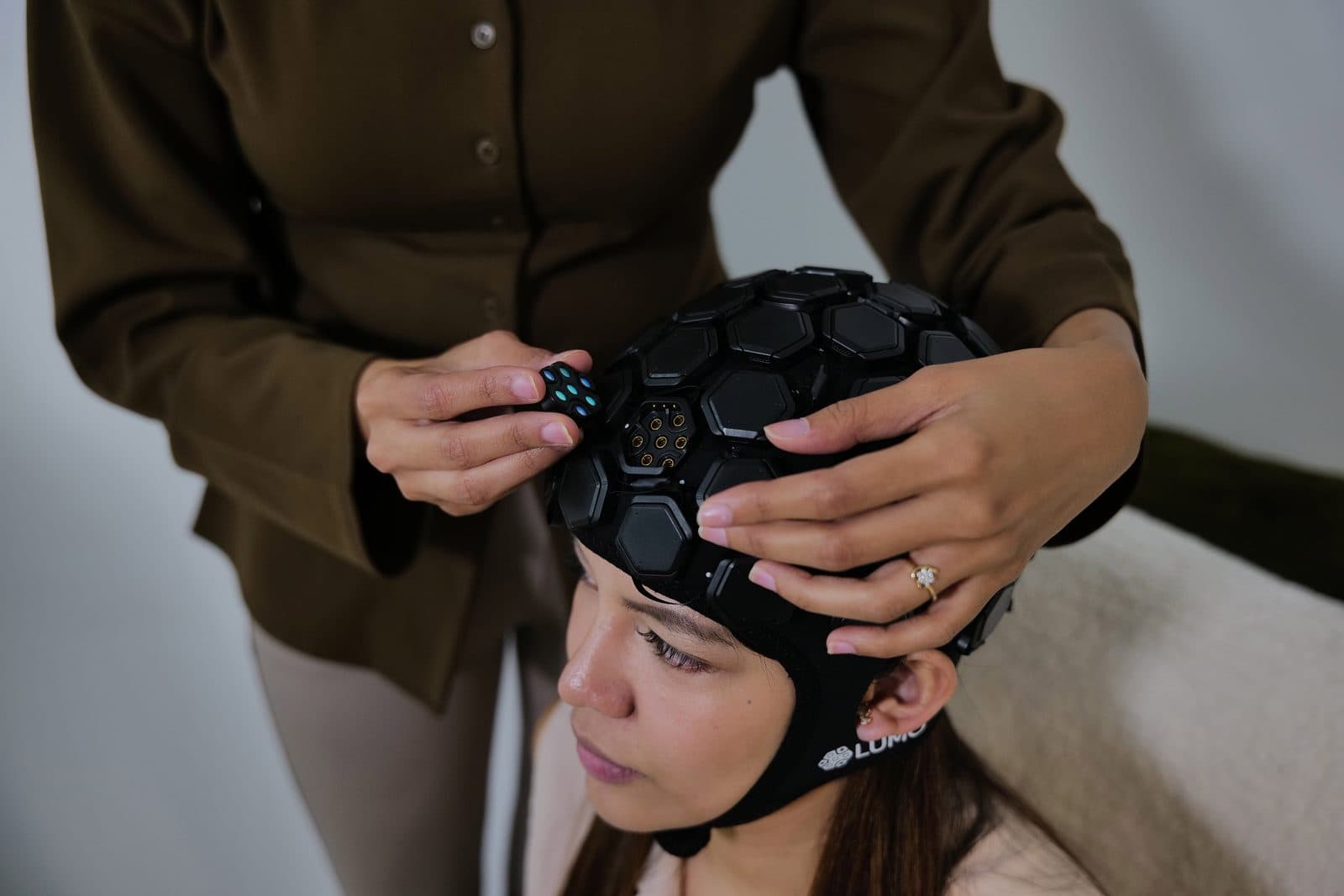
Every cap is designed around your regions of interest and made to order in the workshop. There are no bulky fibre or cable bundles; the system connects with a light 2 m cable. Each cap targets 3 to 54 docks, and dock arrays can be partly or fully populated with tiles for single- or multi-region imaging. Sizes run from newborn to adult, and cut-outs and velcro straps adapt a cap to your experimental set-up. Flexible neoprene LUMO caps fit every head shape with an adjustable chin strap; headbands with 3 or 6 docks serve targeted single-region imaging; neonatal caps are designed with Easycaps for head circumferences under 40 cm.

  • LUMO caps
  • Headbands
  • Neonatal caps
  • Custom modifications
Light guides

Optical coupling and comfort together

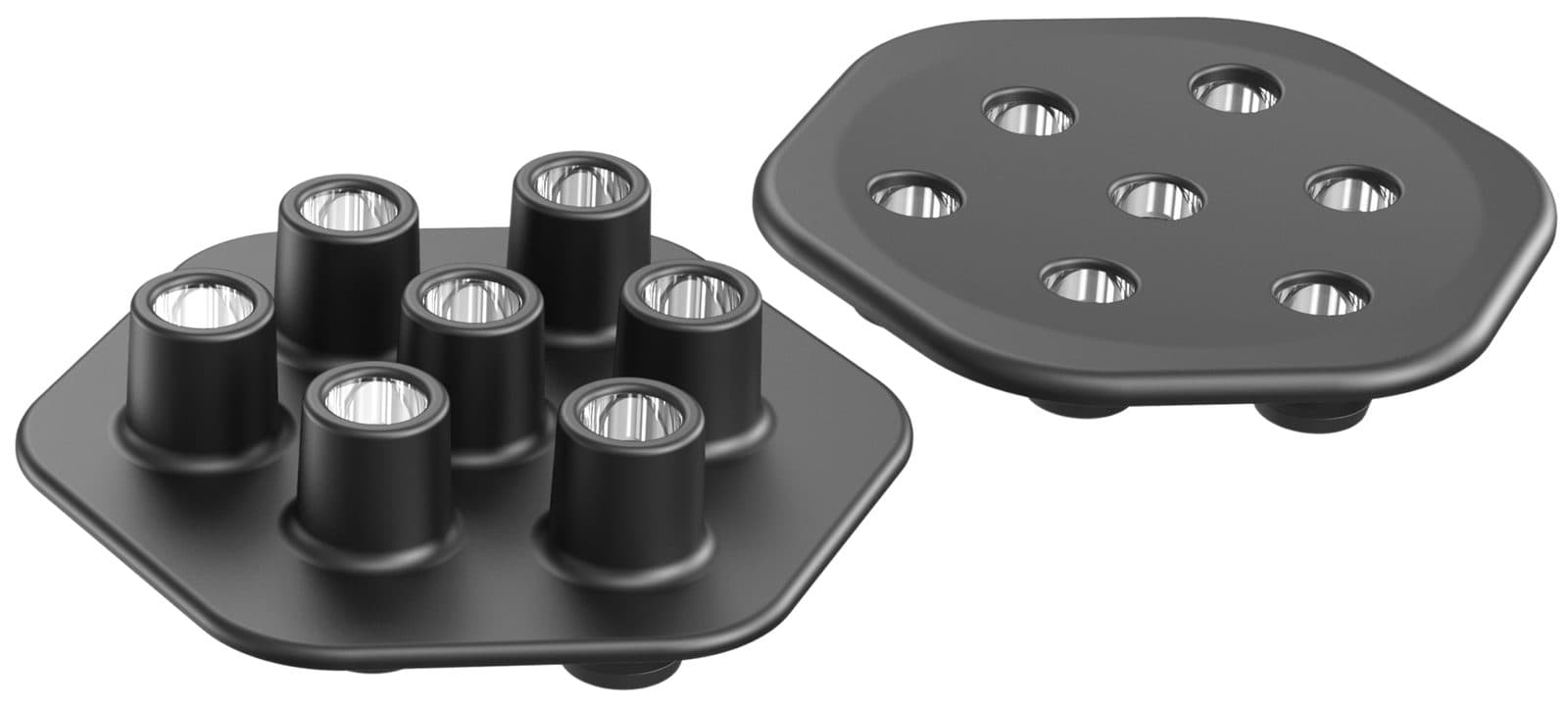
Spring-loaded and fixed LUMO light guides

Light guides are fully interchangeable between and within caps, so a set-up can be optimised for performance. Flat fixed guides spread pressure evenly with an ultra-low profile and are very comfortable for newborns, subjects with sensitive skin or reclining participants; 6 mm fixed guides suit regions with moderate hair and low curvature. Spring-loaded guides (short, medium, long), made of independent spring-loaded plastic optical fibres, follow different head curvatures and comb through hair for consistent scalp contact; optional silicone pad inserts add comfort where there is little or no hair.

  • Fixed: flat, 6 mm
  • Spring-loaded: short, medium, long
  • Silicone pad inserts
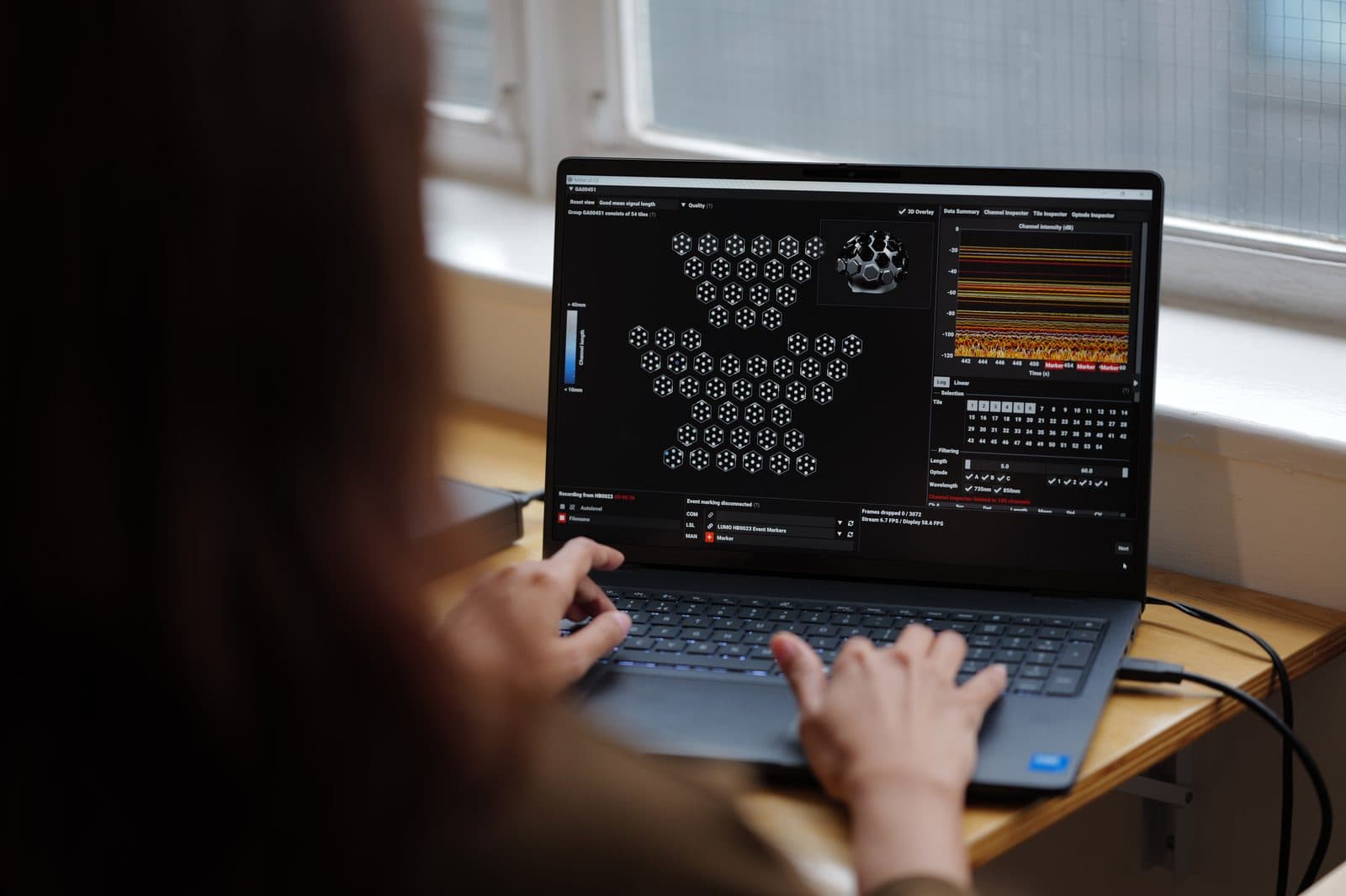
Acquisition software

Channel quality in real time

The LUMO acquisition software on a laptop

Watch channel quality and channel count in real time, filter noisy channels with one click and export files for analysis with ease. Compact and easy to carry in its own flight case. The demo video below shows the software's features in detail.

  • Real-time monitoring
  • One-click filtering
  • LSL
A LUMO for every study

From a single region to the whole head

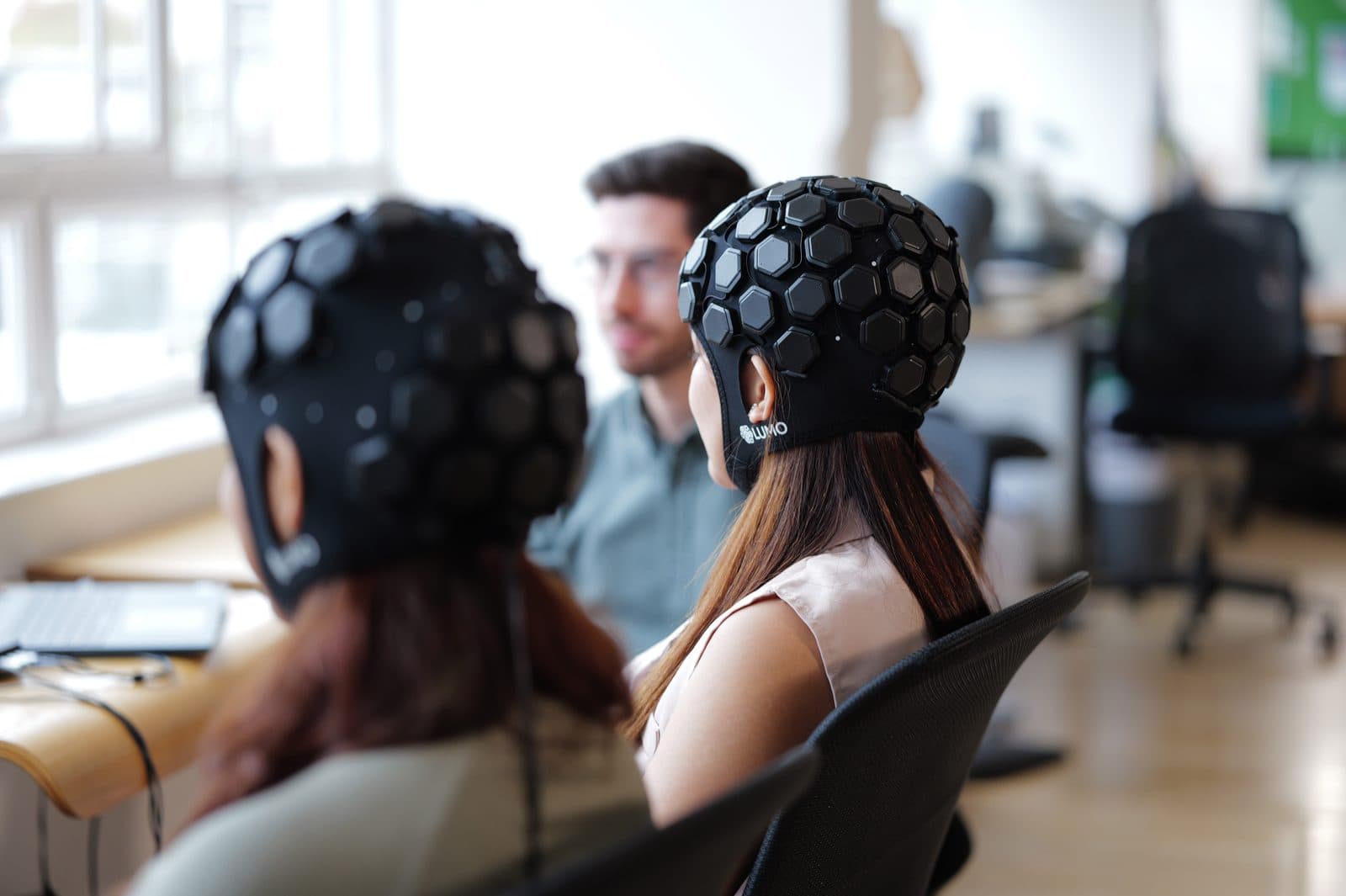
Hyperscanning with two adults wearing LUMO caps

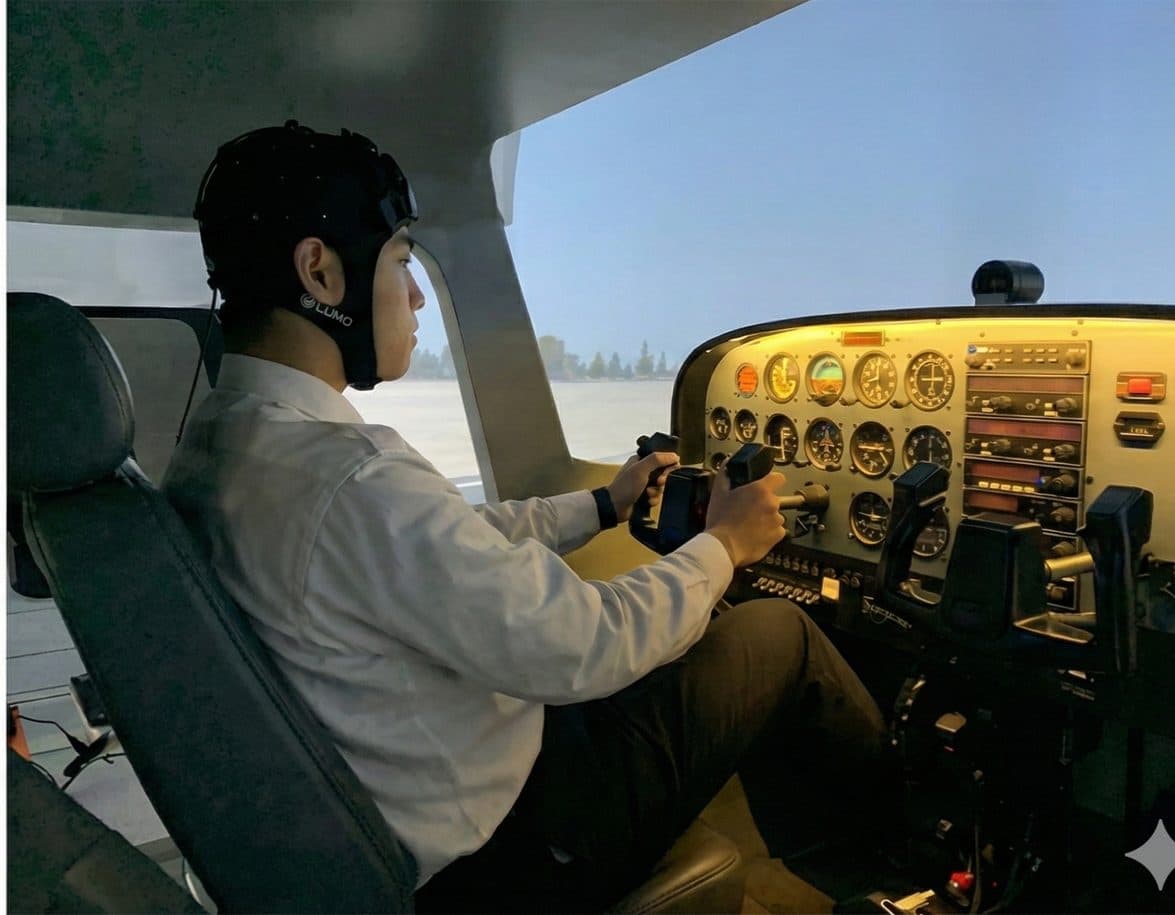
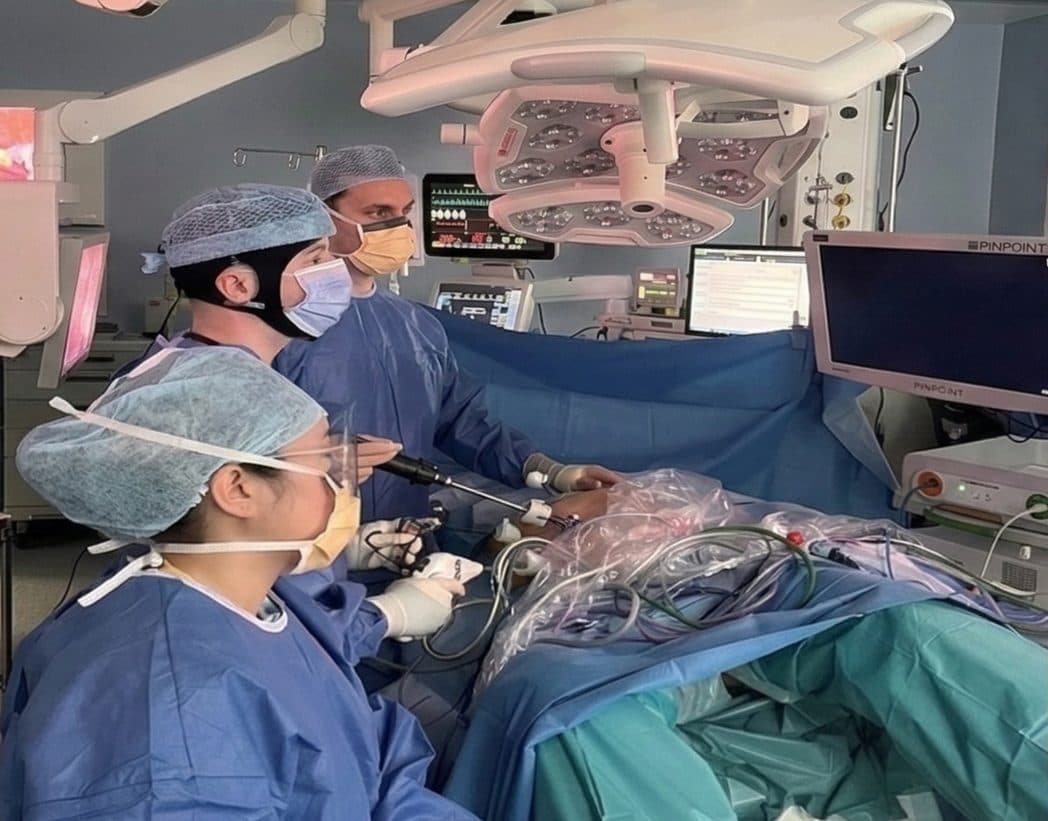
With configurations from single-region to whole-head imaging, LUMO grows with your research. Its ultra-compact, light build suits naturalistic research; with no bulky cables or fibres and a very fast set-up, it moves easily into clinical settings. Below is a selection of pioneering studies done with LUMO. Gowerlabs technology has been used in more than 17 peer-reviewed publications at more than 25 universities in more than 12 countries.

  • At home
  • Hyperscanning
  • Children and infants
  • Adult whole head
  • Infant whole head
  • Clinical settings
  • Complex tasks
  • Neonatal research
  • Real world

Applications

Video

Watch channel quality and channel count in real time, filter noisy channels with one click and export files for analysis.

Up close

Publications

Scientific publications and further reading

Studies done with LUMO, and the core papers on the high-density diffuse optical tomography method. Filter by category or topic, or search by title, author or journal; each paper opens on its publisher's page.

12 publications

Blog

Further reading

Contact

Ready to configure your system?

Every cap is designed around your regions of interest and made to order. Contact us for technical advice or a live demonstration.

Request a quote

Call us +90 554 381 46 20Serving all of Türkiye · reply within 24 hours on working days